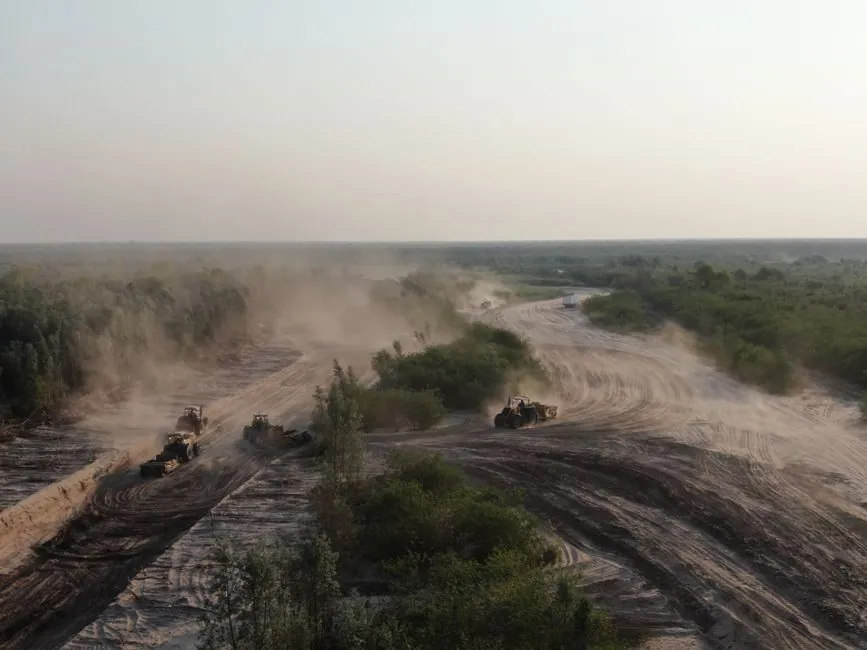
On a half-lane asphalt milling machine, the two dominant respirable crystalline silica controls are factory-integrated water-spray systems aimed at the cutter drum and pickup point, and a separate mechanical evacuation hood that pulls dust-laden air into a filter/cyclone collector [S1][S5].
The Silica/Asphalt Milling Machine Partnership, formed at the 2003 NAPA Annual Meeting, includes Roadtec, Wirtgen America, Volvo CE, Caterpillar, and Terex Roadbuilding, plus NIOSH, OSHA, and the FHWA; its published engineering controls call for ventilation capture in addition to water sprays used to cool the cutting teeth [S1][S5].
How Each System Captures Dust at the Cutter Drum
Water-spray suppression on a cold milling machine is built around the drum-cooling circuit: nozzles are re-positioned so the spray curtain also wets freshly milled aggregate, suppressing respirable dust at the point of generation rather than chasing it downwind [S5].
Mechanical evacuation, by contrast, is a localized ventilation control: a hood is sealed around the side of the milling chamber, and a fan pulls the dust-laden air through ducting into a filter or cyclone [S1]. Terex Roadbuilding reported that adding a more robust evacuation system to its mill produced a "significant, consistent reduction in the particulate numbers" between the second and third NIOSH field trials, run in Marquette, MI (2008) and Shawano, WI (2010) [S5].
NIOSH Best Practice Engineering Control Guidelines (DHHS NIOSH Pub. No. 2015-105) recommend both controls together, because cutter-drum water sprays were originally designed for bit cooling and only secondarily contribute to dust capture, while an evacuation hood handles the fines that escape the spray curtain [S1].
Suppression Efficiency: What the Numbers Say
Independent water-spray tests on iron-ore pile dust recorded 75.2% average suppression efficiency with intermittent water supply versus 73.3% with continuous water supply, a 1.9 percentage-point gain from cycling rather than flooding the nozzle [S4]. Properly tuned spray systems, in other words, deliver "minimal moisture to the discharge product, enough to bind fugitive dust at the source without saturating" it, which protects downstream conveyor and loadout weight accuracy [S2].
Water-based dust control agents also offer improved surface coverage and a slower drying time than plain water, which extends the suppression window between passes [S3]. Cold milling water systems need periodic maintenance, because nozzle wear, water-pressure drop, and plugged filters are the most common causes of failed suppression in the field; the NIOSH/NAPA basic best-practices guide flags this as a recurring contractor failure mode [S5].
Mechanical Collection: Strengths, Limits, and Site Demands
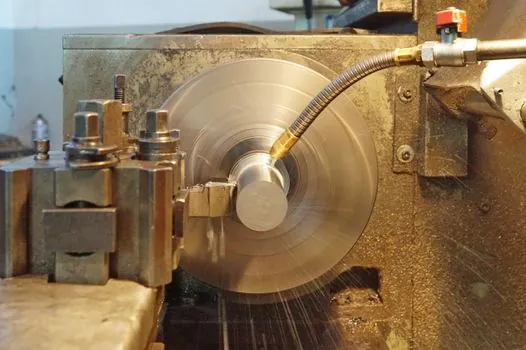
Dry dust collection uses filters, cyclones, or hybrid systems to capture particles without adding water, making it productive with medium-to-large dust loads where the moisture content of the final milled RAP (reclaimed asphalt pavement) must be controlled [S7]. On a milling job, a dry evacuation hood can pull dust into a high-efficiency filter array that is emptied at the end of a shift, with no added water weight in the milled material and no slurry to manage at the discharge conveyor.
Wet dust extraction, conversely, mixes the captured fines with water in a scrubber, producing a slurry that must be handled; this makes wet extraction less attractive on most paving sites where RAP goes straight back into a truck or windrow for recycling into hot mix [S7]. FM Global DS 7-76 lists dust collectors and water-spray systems as parallel, supplementary protection layers for combustible-dust hazards, supporting the view that they are complementary, not interchangeable [S8].
Selection Criteria: Drum Width, Application, and Compliance
Pick a water-spray-only strategy when the machine is a small-to-mid cutter (under about 1.0 m drum width) running short-duration utility cuts, the milled material goes straight to a windrow, and the contractor maintains nozzle flow and pressure as a daily check item [S1][S5].
Add mechanical evacuation when the mill is a full-lane class machine (1.5–2.2 m drum), the job is a continuous highway removal where cumulative crew exposure over a shift matters, or local air-quality rules are tighter than the U.S. baseline, because a hood captures the fine fraction that escapes even an optimized spray curtain [S1][S5]. Site comparison criteria: water-spray suppresses at point of generation, costs less, adds no moving parts, and slightly raises milled-material moisture; mechanical collection adds a fan and filter maintenance, but does not wet the RAP and offers verifiable capture in personal-breathing-zone air monitoring [S1][S7].
Regulatory Anchor: OSHA's 50 µg/m³ Silica PEL
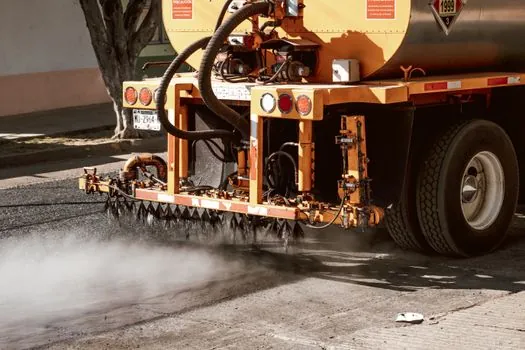
OSHA 29 CFR 1926.1153, fully in effect since October 2017, sets a Permissible Exposure Limit (PEL) of 50 µg/m³ of respirable crystalline silica as an 8-hour time-weighted average, with an Action Level of 25 µg/m³ that triggers medical surveillance; the 2017 rule cut the previous PEL by 80% [S2]. OSHA Table 1 of that standard lists 18 construction tasks with specified engineering and work-practice controls that, when fully and properly implemented, deliver deemed compliance without independent air monitoring, and most small paving contractors choose that path [S2].
For asphalt milling specifically, the NIOSH Best Practice Engineering Control Guidelines are the field reference: water-spray controls aimed at the cutter drum plus a properly designed ventilation/evacuation hood are the combination that NIOSH and the Silica/Milling Machine Partnership studied and validated across three field campaigns [S1].
Where Each Control Falls Short
Water-spray systems lose effectiveness when nozzles wear, water pressure drops, ambient humidity is high, or wind disperses the spray curtain; on a 2.0 m class cold planer running at sustained milling depth, the spray alone is rarely enough to keep personal-breathing-zone silica at or below 50 µg/m³ without an evacuation hood upstream [S1][S5].
Mechanical collection systems, conversely, add capital cost, a fan power draw, filter replacement, and a vacuum-hose path that can interfere with conveyor access; on tight urban jobs with frequent repositioning, the added plumbing can slow production cycles [S1][S7]. Water-based agents improve coverage and drying time but introduce a wet residue that has to be managed in the dust-handling stream [S3].
For a deeper look at how drum width, milling class, and APAC highway spend shape cold mill selection, the Cold Milling Machine Demand Drivers: Highway Work, Large-Class Equipment, APAC Spend breakdown maps the same equipment class against roadwork volume rather than dust-control architecture.
2026 Practical Recommendation for Contractors
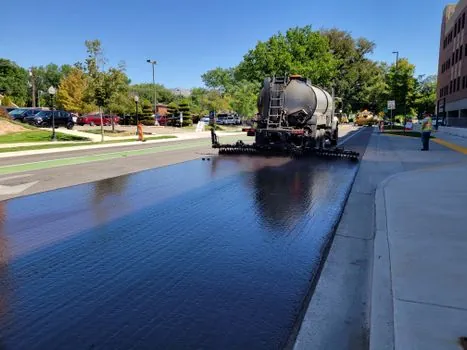
Run a tuned water-spray system as the baseline on every cold milling machine in the fleet, with daily nozzle and pressure checks, and layer a manufacturer-supplied evacuation hood with filtration on any full-lane mill that logs more than a few hours of continuous cutting per shift [S1][S5]. The verifiable 2026 signal to track: OSHA enforcement citations under 29 CFR 1926.1153 against paving subcontractors that do not implement combined controls on Class I (full-lane) milling, plus NIOSH updates to Pub. No. 2015-105 if a fourth field campaign revises the recommended combination [S1][S2].