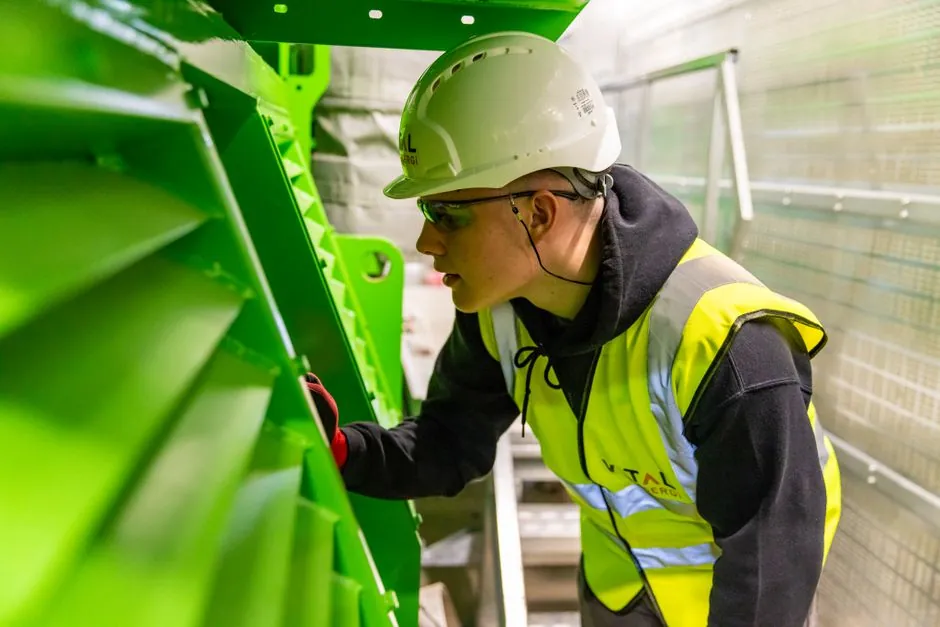
A cold milling machine pre-start walkaround on level ground should verify no fluid leaks, secure track pads, intact hydraulic hoses, and clean radiator fins before the engine is cranked, per FleetRabbit's 2025 paving-equipment daily checklist [S5].
For pre-purchase audits, independent inspectors follow a TA1 walk-around plus functional test, then report cutting-drum condition, undercarriage remaining life, conveyor hydraulics, engine cold-start, and hour-meter verification; this is the standard scope used by used-machinery specialists [S2][S3].
Pre-Start Walkaround on Level Ground
The first check is machine positioning: park on level, stable ground with overhead clearance before any fluid or structural inspection [S5]. Operators then scan the under-machine area for oil, fuel, coolant, and hydraulic leaks, then walk the perimeter for dents, missing fasteners, and loose panels, since paving equipment operates in abrasive environments where small hardware failures cascade quickly [S5].
Track shoes, pads, and carrier rollers are inspected for wear, cracking, and proper tension, with track frames checked for debris build-up that accelerates idler and sprocket wear; undercarriage replacement runs $15,000 to $35,000 on half-lane cold planers, so visual wear tracking has real cost weight [S3].
Engine, Powertrain, and Hydraulic Circuit Checks
Engine-side pre-start covers oil level on the dipstick, coolant reservoir level and condition, air-filter indicator, fan-belt tension, battery terminals, DEF level if equipped, and exhaust system security, with fluid readings taken on a cold engine to avoid burns and false levels [S5]. IronCheck's pre-purchase protocol extends the same items into a cold-start test plus exhaust-smoke analysis to flag blow-by, injector failure, and turbocharger wear, common on high-hour milling engines [S3].
On the hydraulic side, sight-glass oil level, filter indicators, hose routing for chafe and cracking, cylinder rods for scoring, and pump acoustic behaviour are all called out as separate line items, since the same circuit drives the drum, propel, steering, and conveyor functions [S5]. Hydraulic pump, valve, and cylinder repairs commonly fall in the $5,000 to $20,000 band, which is why the checklist treats pump noise and hose routing as first-class inspection points rather than afterthoughts [S3].
Cutting Drum, Teeth, and Water-Spray System
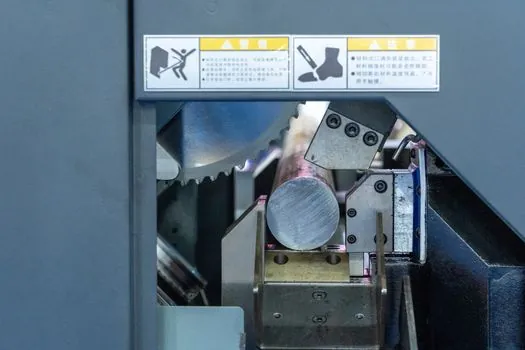
The drum assembly is the highest-wear subsystem: inspectors record drum housing cracks, bearing play, tooth-holder block wear, cutting-tooth condition, drum-drive motor performance, belt or chain tension, and the integrity of the drum door and shroud, all under a water-spray system that suppresses dust and cools the cut [S3]. A drum rebuild typically costs $15,000 to $40,000 depending on cutter width, so any housing crack, holder rotation, or missing tooth is a flag for either repair scope negotiation or walk-away [S3].
Water system checks include tank condition, pump output, spray-nozzle pattern, filtration, and valves, because nozzles clogged by calcium or fines produce visible dust plumes, accelerated tooth wear, and uneven cut texture [S3]. On construction-quality CIR projects, FHWA Checklist #12 requires verification that the milling machine has sufficient weight and horsepower to cut to the design depth and tolerance, plus confirmation that the drum width matches the project specification, two pre-mobilization gates that protect against mid-shift drum swaps [S1].
Conveyor, Grade Control, and Propel System
Conveyor inspection covers primary and loading belts, chain or belt condition, flights and paddles, frame straightness, hydraulic fold, slew rotation, height adjustment, and discharge chute, with belt, flight, and chain repairs typically priced from $5,000 to $20,000 [S2][S3]. Propel system checks then rate track-drive motors, travel speed, steering response, counter-rotation function, and propel-pump condition, since a machine that tracks straight but cuts crooked wastes an entire shift of milled material [S3].
Grade-control items include averaging beam condition, side-plate sensors, slope sensor, control panel calibration, sensor mount integrity, wiring, and cross-slope function; damaged sensors or worn mounts translate directly into poor cut accuracy and rework, with repairs running $2,000 to $10,000 [S3]. Operators also confirm the water-spray, conveyor, and drum circuits in coordinated functional test, matching the height-adjustment and slew-rotation checks that Mevas bundles into its TA1 functional pass [S2].
Operator Station and Documentation
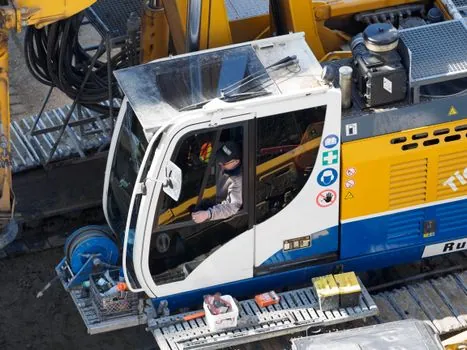
Operator station checks cover seat adjustment, control function, gauges, displays, HVAC where fitted, visibility, and camera system, items that affect both safety and the operator's ability to read grade-control feedback in real time [S3]. Pre-purchase inspectors additionally verify serial number, hour-meter reading, service records, prior repair indicators, and cutting width, then record overall appearance and any structural damage for the buyer's negotiation file [S3].
For milling equipment that shares a job site with compact loaders, the same hydraulic-circuit and undercarriage discipline applies; skid steer spare parts shows how wear groups and service intervals are tracked on tracked carriers, a useful parallel when planning shared parts inventory. For daily work the operator fills in equipment ID, hour-meter reading, site, shift, weather, and temperature, then signs; that record is the legal evidence trail for warranty and for the FHWA-style project documentation file [S5][S1].
Acceptance Criteria, Repair-versus-Replace, and When to Walk Away
Acceptance criteria are pass-or-fail, not subjective: no active leaks, all fluid levels within marks, no bearing play greater than manufacturer spec, all cutting teeth present and within wear limit, conveyor tracking centred, grade-control sensors responding to a known reference slope, and a clean cold-start with no blue or black smoke [S3][S5]. A drum-housing crack, a hydraulically failed propel pump, or an engine with visible blow-by on cold start is normally a rebuild-cost trigger, and total repair exposure above roughly $50,000 on a half-lane-class unit is the practical ceiling for a sensible used-machine buy [S3].
Replace, do not repair, when drum housing is cracked, when track frames are bent, when the engine has coolant in the oil, or when hydraulic cylinders show rod scoring with internal bypass, all classic walk-away items on half-lane cold planers [S3]. For milling work that feeds downstream reclaim or conveyor chain selection for packaging lines processes on recycling circuits, the practical baseline is the cold milling machine reference page, with the cutting-machine class context in the broader cutting machine entry; inspector-side safety guidance for stationary mill work overlaps with the shop equipment safety checklist for milling machines topic, which is the right reference for a fab-shop mill, not a road planer.
Trackable signals for the next 6 months: independent pre-purchase inspection pricing holding near $999 to $1,099 in the US and roughly the same band in Europe [S3]; CIR project documentation per FHWA Checklist #12 continuing to require drum-width and weight-horsepower verification pre-mobilization [S1]; and the TA1 walk-around-plus-functional-test format remaining the default scope for export shipments of half-lane cold planers [S2].