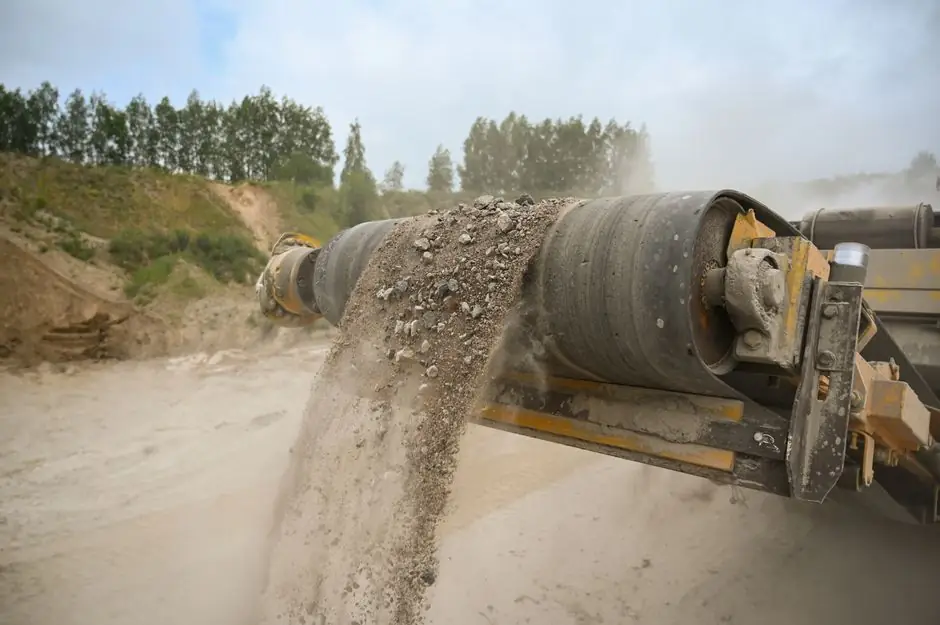
A cold milling machine is a high-inertia road-rehabilitation tool whose cutter drum, conveyor, and reverse-direction truck traffic each create a distinct hazard class that must be controlled separately [S1].
The dominant exposure is the milling drum: a worn tooth that is not replaced quickly wears into the holder and the drum itself, producing excessive vibration, slow cutting speed, and streak patterns in the cut asphalt [S1][S5].
Mandatory PPE for Ground Crew and Operators
Minimum personal protective equipment for any cold milling work zone is safety glasses plus a dust mask, because milling operations lift a high dust load off the drum and conveyor [S1].
For shop-scale vertical milling (the reference baseline for hazard identification), the documented minimum PPE is safety glasses and closed-toe shoes, with hearing protection, dust mask, and no loose clothing or jewelry added for asphalt and high-noise field work [S3][S4].
Long hair must be tied back, rings/watches removed, and sleeves rolled or buttoned: entanglement in the rotating spindle is a documented laceration and puncture source across shop and field machines [S3][S4].
Guarding the Point of Operation
All machine guards must remain in place during operation; the operator is the only authorized person allowed to touch the console while the spindle is live [S3].
A guard or shield that encloses the cutter head or milling bed is the primary control for flying metal shavings, ejected carbide tooth fragments, and lubricating fluid splash from the cutter housing [S4].
Body parts, loose clothing, and hair must be kept away from the in-running nip points between cutter and workpiece, and between cutter and work-holding device; the same rule applies to the rotating handwheels on power-driven or computer-controlled mills [S4].
Work-Holding and Pre-Start Checks
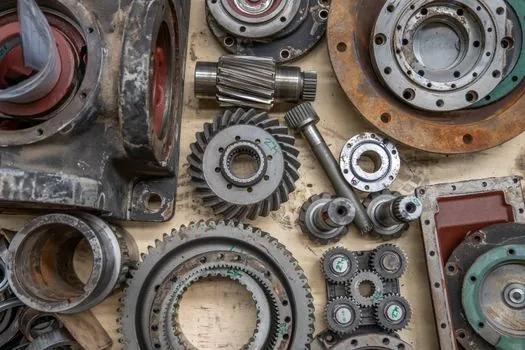
Workpieces and stock must be rigidly fastened to the mill table with clamps, a vise, or special fixtures, and the vise itself must be clamped to the table, before any spindle rotation is allowed [S2][S3].
Before starting, the spindle must be rotated by hand to confirm clearance, the cutter must be verified rotating in the correct direction, the power must be confirmed off during any cutter change, and the cutting tool must be clear of the workpiece at start [S2][S3].
Cutting tools must be securely fastened in the spindle with the proper accessory; the collet tightening wrench must be removed immediately after use so it cannot be thrown at speed [S2][S3].
Tool Condition, Speed, and Coolant Discipline
Cutters must always be sharp and in good condition; dull cutters force the operator to slow the machine, increase vibration, and accelerate wear into the holder and drum [S2][S3][S5].
Cutting speed and feed must stay within the range rated for the cutter diameter and the material being machined, climb milling is prohibited unless specifically instructed, and the spindle brake must be applied after power-off to bring the spindle to a confirmed stop before any measurement is taken [S2][S3].
The correct cutting fluid for the work material must be used, heavy cuts and rapid feeds are prohibited, and the table must never be used to stage wrenches, hammers, or precision tools that can be pulled into the cutter [S2][S3].
Chip, Heat, and Fume Hazards

Loose chips are sharp to the touch and become flying debris when accumulated, so they must be removed with a brush or compressed air held below 30 psi, never with bare hands [S4].
Friction at the cutter generates heat that can burn skin on the workpiece and tool, so freshly cut parts must be allowed to cool before handling, and combustibles or flammables must be kept clear of the milling area to prevent spark-ignited fires [S4].
Unusual work materials such as composites, magnesium, beryllium copper, and titanium can produce toxic fumes or fire hazards, and are flagged as machine-specific limitations requiring additional controls beyond the baseline PPE list [S4].
Field Controls: Traffic, Conveyor, and Wash-Down
Cold milling is typically executed under live traffic, so dump-truck staging must be planned in advance, backup alarms must be verified working, and the ground crew must direct conveyor swing to keep the milled load feeding the truck path without spillage [S1].
The moldboard inside the cutterhouse must be properly adjusted: excessive pressure drags the machine and wastes fuel, while too little pressure leaves a layer of milled asphalt that has to be swept and hauled off separately, adding a secondary handling hazard [S1].
At the end of the shift the machine must be hosed down to remove abrasive grit that accelerates bearing and seal wear, and any automatic grade-guidance system must be serviced per the operator's manual [S1]. For broader equipment stewardship practices that pair with milling safety, see construction machinery and equipment baseline checks.
Maintenance Gates That Prevent Failure

Routine inspections must focus on the milling drum, conveyor bearings, and hydraulic system, with worn teeth replaced at the first sign of tip shortening, partial wear, or tip fracture, and the steel body checked for partial wear that signals a failing holder [S5].
Diligent maintenance on a representative large cold mill (W210Fi class) is documented to extend service life from 6 to 10 years, cutting annualized fixed cost by roughly $16,000 per machine per year, before counting avoided downtime losses [S5].
For shop-side tooling context, a cold milling machine shares the same cutter-geometry and chip-evacuation physics as a stationary mill, so the same spindle-brake and chip-clearance rules apply. Related field-readiness discipline is detailed in Skid Steer Loader Pre-Trip Inspection and the hour-indexed Skid Steer Loader Testing and Commissioning procedure, both of which use the same staged-gate logic that milling crews apply at shift change.
Track next: confirm that the cutter-drum vibration baseline is recorded at every tooth change, and that backup-alarm function tests are logged before each shift's first mill pass.
Detailed specification references: cold chamber machine.