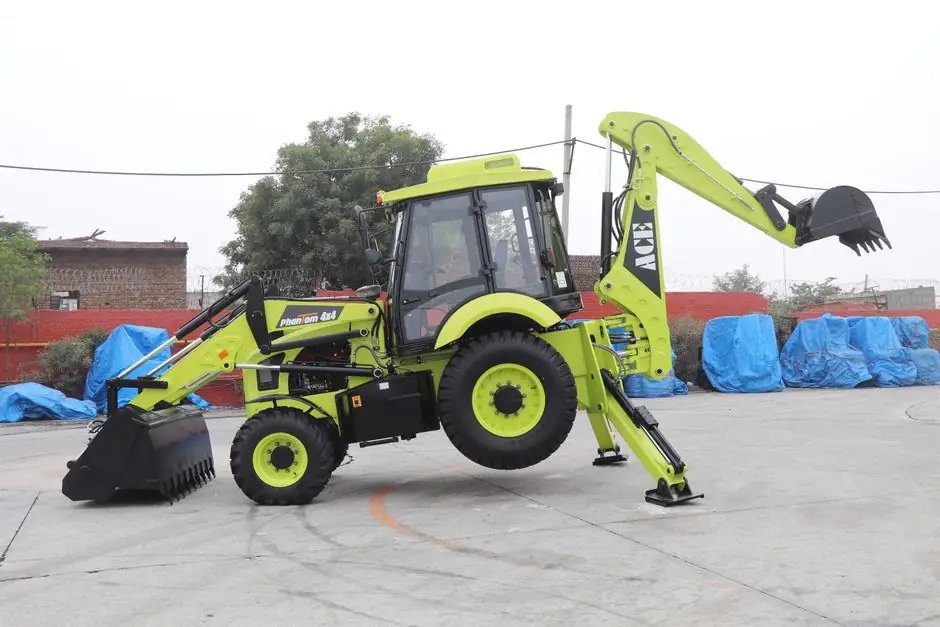
Skid steer spare parts cluster into five wear-driven groups, with undercarriage, drive train, hydraulics, filtration, and attachment interface hardware accounting for the bulk of replacement spend, according to parts suppliers [S1][S2][S5].
Aftermarket coverage is mature: TVH lists parts for all major skid steer makes, while BDI Wear Parts publishes Bobcat-pattern part families including 6671025 12V solenoid valve coils for models 853/863/864/873 at a reference retail of $27.99, and dedicated categories for drive belts, filters, water and fuel pumps, and hydraulic quick couplers [S2][S5].
Undercarriage consumables: tires vs rubber tracks, selection by surface
Wheeled skid steers run pneumatic or solid tires; tracked skid steers use rubber track belts with internal steel cords, and the choice is set by ground condition rather than machine size [S1][S3].
Daily inspection must record tire pressure, cuts, and wear pattern; tracked units require checks for tears, deformation, and correct tension, with under-tensioned tracks throwing off sprocket engagement and over-tensioned tracks accelerating idler bearing wear [S3]. HESP groups the undercarriage with the drive train because both see the highest abrasive-wear rate on mixed-surface sites [S1].
For a deeper look at the carrier machine itself, see the skid steer loader encyclopedia entry, and for heavier earthmoving frames in the same family, the wheel loader reference covers the size class above.
Drive train wear parts: chains, sprockets, drive belts, and solenoids
Final-drive wear on tracked skid steers centers on the drive chain, sprocket teeth, and idler bearings; on wheeled units, the equivalent failures appear at wheel motors and axle seals [S1].
BDI Wear Parts categorises Bobcat-pattern spares into drive belts, engine and components, electrical and LED, water and fuel pumps, mufflers, windshield wipers, and a hydraulic quick coupler family, plus a 12V solenoid valve coil range (including part 6671025 covering 853/863/864/873) [S5]. HESP notes that a solenoid failure on a control valve typically immobilises a function circuit even when the pump and hoses are healthy, so solenoids are commonly stocked as a low-cost fast-moving consumable rather than a repairable component [S1][S5].
Hydraulic system service: hoses, fluid, quick couplers, and filtration
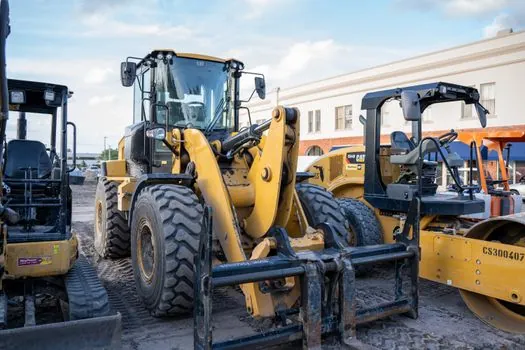
Skid steer hydraulics run a single pump pressurising fluid through hoses and control valves to drive lift arms, tilt, and auxiliary attachments, with hydraulic quick couplers forming the disconnect point at the attachment plate [S3][S4].
Daily checks cover fluid level plus leak inspection at hoses, fittings, and cylinders; weekly and monthly intervals call for fluid analysis and replacement at OEM-specified viscosity targets, since degraded fluid directly drives erratic arm movement and valve-sticking failures [S3][S4]. DOZR frames hydraulic service as the single highest-leverage preventive task on a skid steer, because the same circuit powers both machine motion and attachment function [S4].
For context on how skid steer hydraulics sit inside the broader equipment category, the construction machinery and equipment reference maps the system-level dependency between pumps, valves, and actuators.
Engine and fuel system: filters, injectors, and direct-injection service
Most modern skid steers use direct-injection diesel, with the fuel system including lift pump, fuel filter, and injectors feeding the combustion chamber, and a parallel lube circuit protected by an engine oil filter [S4].
SANY breaks the engine side into daily fluid level checks and periodic filter replacement, with fuel filter condition treated as the leading indicator of injector survival, because contaminated fuel is the dominant injector-failure mode on diesel skid steers [S3][S4]. DOZR notes the gasoline-engine share is smaller and biased toward lighter-duty and rental fleets, where lower first cost outweighs diesel torque density for occasional operators [S4].
Service interval structure: daily, weekly, monthly, and per-hour tasks
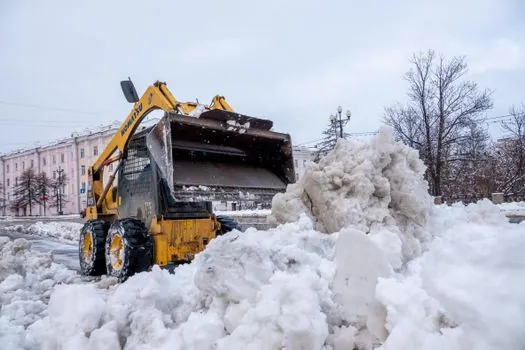
Manufacturer service intervals split into daily, weekly, and monthly buckets, with the daily walk-around covering visual crack and dent checks, fastener torque on bolts, seals, bushings, and hydraulic cylinders, plus fluid level and leak inspection on engine oil, hydraulic oil, and coolant [S3].
Weekly and monthly tasks add filter changes, hydraulic fluid replacement, and deeper structural inspection, with the schedule indexed to operating hours rather than calendar time to match actual wear accumulation [S3]. For an analogous parts-and-intervals pattern on a different power tool, the circular saw spare parts guide applies a similar wear-group and interval logic to a smaller machine class.
Decision criteria: OEM, OEM-equivalent aftermarket, and cross-make interchange
Three sourcing tiers cover the market: OEM parts sold through the machine brand dealer network, OEM-equivalent aftermarket parts from independents such as TVH (cross-make coverage for Bobcat, CAT, Case, JCB, and others), and pattern aftermarket parts such as BDI's Bobcat-pattern range, where interchange is by application list rather than OEM part number [S2][S5].
TVH positions its catalog as cross-OEM and cross-system, listing parts by machine family and part number so fleet operators with mixed fleets can pull a single line item across multiple brands [S2]. BDI Wear Parts uses application lists like the 853/863/864/873 solenoid coil to publish a single SKU covering four Bobcat model years, which is the practical form most cross-make interchange takes in this category [S5].
Selection usually trades OEM premium and traceability for aftermarket price and availability, with the deciding factor being warranty terms on the host machine and the criticality of the failed component to safe operation [S2][S5].
Failure modes and limits of aftermarket pattern parts
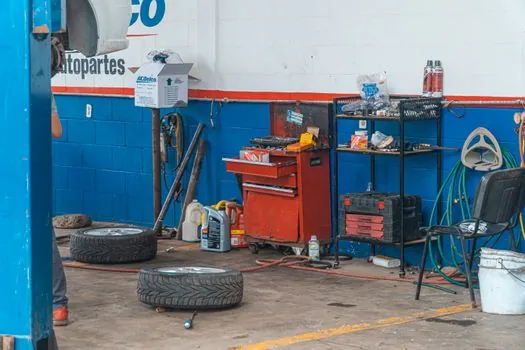
Pattern aftermarket parts carry the same dimensional fit as OEM but typically use lower-grade elastomers, lower-grade solenoid coil winding insulation, and unhardened wear surfaces, which shortens service life in high-cycle or high-temperature duty [S5].
Solenoid coils are a known weak point: a 12V coil sold as a $27.99 pattern replacement will fit the 853/863/864/873 valve bodies but rated insulation life is shorter than OEM, and vibration-induced lead breakage at the connector is the documented failure pattern [S5]. Hydraulic quick couplers from the same aftermarket channel must be cross-checked against the host machine's ISO standard (the dominant skid steer attachment plate pattern), because a mismatched coupler body is a safety and downtime risk even when the brand and price look equivalent [S1][S3].
For fleet-level parts planning, the next step is to map each wearing component to an operating-hour replacement target and lock cross-OEM SKUs into the parts inventory before a failure window opens, with BDI and TVH catalogs as the practical reference for Bobcat-pattern and cross-make coverage respectively [S2][S5].