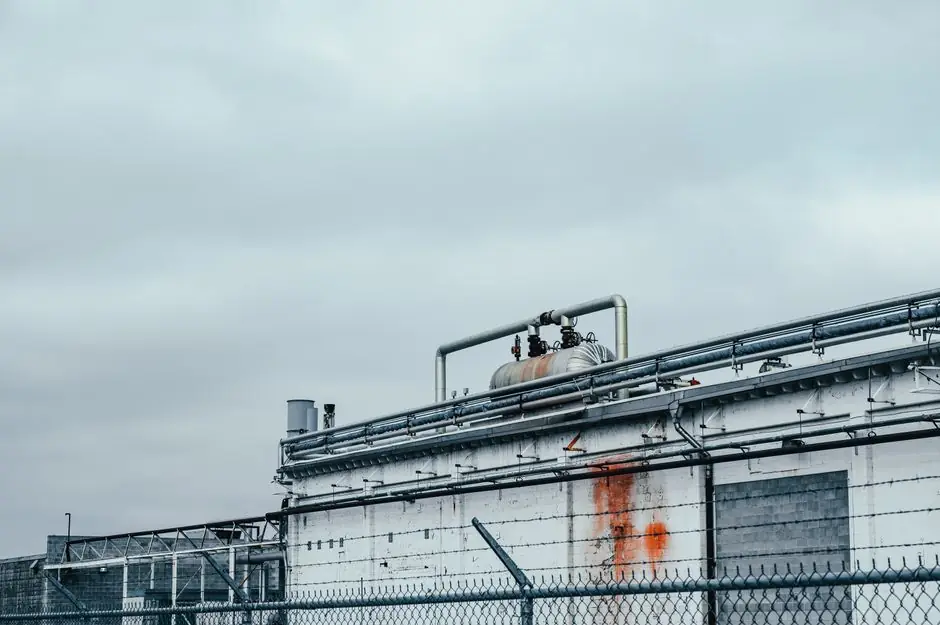
Compressed air systems in 2026 face a compounded supply risk: long lead times on oil-free compressors, adsorption-dryer desiccant, and pneumatic solenoid valves are colliding with tighter ISO 8573-1:2010 purity requirements across medical, food, and electronics plants [S1][S4].
The risk surface is no longer just the compressor itself; it now spans dryers, filters, receivers, and downstream air solenoid valve stocks, with single-train layouts the most exposed configuration in 2026 audits [S3][S4].
Where the 2026 Shortage Actually Bites
Oil-free screw and scroll compressor deliveries are running 26-40 weeks on popular 30-75 kW frames, driven by demand from pharmaceutical, semiconductor, and medical-gas rebuilds that switched from oil-injected to oil-free architectures after 2021 [S2][S3]. Medical compressed air case data shows oil-injected screw machines paired with refrigerated dryers failing ISO 8573-1:2010 class 1 for oil, with ventilator failure rates dropping from 31.1% (14 events in 2016) to 1.6% (1 event in 2019) after upgrading to oil-free scroll plus adsorption dryer [S2].
Desiccant dryer lead times are stretching 16-24 weeks on heated and heatless models, because tower valves, air quality monitor sensors, and controller PCBs share the same electronics bottleneck as the rest of industrial automation [S3][S4]. Buyers planning a 2026 retrofit should add at least 6 months of buffer to any project specifying class 1 or class 2 purity, and lock adsorption desiccant reorder points to a minimum 12-month safety stock.
Redundancy and Zone Management Decisions
Plants with N+1 compressor redundancy recover from a single oil-free unit failure in under 4 hours, while single-train plants routinely see 48-72 hour production stops when the air pick and actuator network stays live on one machine [S3][S7]. The cheapest risk cut is receiver buffer: a 3000-5000 L receiver at 7-10 bar buys roughly 8-15 minutes of full-load ride-through, which is enough to bridge a dryer swap or a power supply trip in most facilities.
Zone management matters more in 2026 than in any prior cycle: separating medical, instrumentation, and pneumatic-tooling air onto discrete dryers and filters means a class 1 medical failure no longer black-pulls the whole shop [S2][S4]. Three practical zone configurations appear in new builds: (1) separate medical train meeting ISO 8573-1:2010 class 1.2.1; (2) process/instrument train at class 2.4.1; (3) general pneumatic at class 4.5.1, each with its own isolation valves and pressure dewpoint monitoring.
Filtration Tier Comparison: Class 1 vs Class 2 vs Class 4
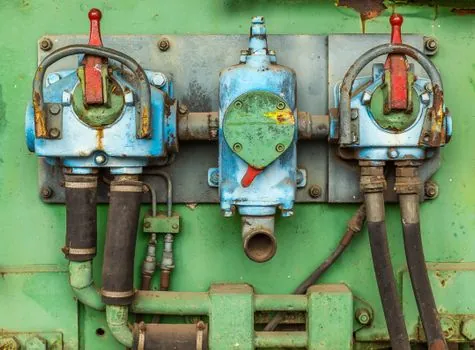
ISO 8573-1:2010 specifies solid particles, water, and oil as separate purity axes, so a plant specifying "class 1 air" without naming sub-classes leaves an opening for suppliers to ship a filtration train that fails medical use [S4]. The most common 2026 error is ordering a coalescing + particulate filter pair rated for class 1 on solids but only class 3 on oil, which passes general pneumatic audits and fails pharmaceutical QA in the same week.
For comparison, a typical 2026 procurement engineer will line options up against four decision criteria: (a) purity class achievable at design load, (b) lead time on the full train including prefilters, (c) annual desiccant and filter element cost, and (d) compatibility with existing air impact wrench and DC power supply backup systems. Oil-free scroll + adsorption dryer with dual activated-carbon towers hits class 1.2.1 but runs 20-30% above oil-injected on capex; refrigerated + coalescing lands at class 2.4.1 with 12-week lead times; desiccant + particulate only reaches class 1.2.1 for water but stalls at class 3 on oil without carbon polishing [S1][S2][S4].
Who Should and Should Not Trigger a 2026 Rebuild
Trigger a redundancy rebuild if the plant runs any medical, pharmaceutical, or semiconductor line that audits to ISO 8573-1:2010 class 1 or class 2, or if a single compressor failure has already cost more than 1.5x the unit replacement value in lost production over the past 36 months [S2][S3]. Food and beverage lines with class 2.4.1 requirements fall in the same bucket because bottled product spoilage penalties routinely exceed compressor capex.
Defer the rebuild if the site runs only general pneumatic tools on class 4 or class 5 air, has no medical or QA audit exposure, and has at least one standby compressor already in the building. For these plants, the right 2026 move is to add a third backup dryer and a maintenance-tuned filter schedule, not to chase a class 1 filtration train that the load does not need [S4][S7].
Failure Modes and Constraint Map
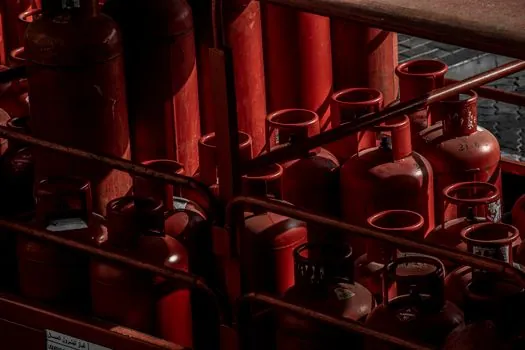
The three most common 2026 failure modes are (1) adsorption desiccant exhaustion masked by a failed dewpoint sensor, (2) oil carryover from a coalescing filter that was never rated for the new oil-free compressor, and (3) control-valve solenoid coil burnout from holding pressure above the rated 10 bar continuous duty [S3][S4][S5]. Festo's published guidance names particulates, water, and oil as the three contaminants that cause pneumatic component failure, and recommends planning filtration from the start of system design rather than retrofitting once a malfunction appears [S4].
Constraint stack for 2026: oil-free compressor lead time 26-40 weeks; adsorption dryer 16-24 weeks; desiccant media 8-12 weeks; solenoid valve coils 6-10 weeks; particulate filter elements 3-6 weeks off-shelf [S3][S4][S6]. The cheapest single lever a spec writer can pull is mandating nameplate interchangeability on filter housings, which lets a plant swap between Atlas Copco, Ingersoll Rand, Sullair, Boge, and aftermarket elements without redesigning the bracket layout [S6].
Sourcing Signals to Track Into Late 2026
Three signals worth watching: (a) oil-free compressor allocations released by major OEMs on Q4 2026 build slots, (b) adsorption desiccant price index moves above the 12-month trailing average, and (c) any second-source qualification of solenoid valve coils against the dominant 24 VDC, 110 VAC, and intrinsically safe variants [S1][S3][S4][S6]. Plants that qualify a second pneumatic actuator vendor now and that map their full upstream-to-downstream compressed air component chain will clear 2026 audits without emergency purchases, while single-source holdouts will be the first to hit a 60-day production stop when the next allocation letter lands.