
ASTM C1116/C1116M groups fiber-reinforced concrete into four material classes — steel, glass, synthetic (polypropylene, nylon, polyester, polyethylene, polypropylene/polyethylene blend) and natural — and the spec drives almost every downstream decision on dosage, pumpability, and finish quality [S4].
The same standard splits fibers further by length: micro fibers (typically under 38 mm) and macro fibers (38–60 mm and up), and this material + size matrix is what the engineer matches to a pour, not the trade name on the bag. The practical range seen on a 2026 batching ticket runs from 0.18 mm copper-coated micro steel at 13 mm length [S2] up to 0.90 mm hooked-end macro steel at 60 mm length [S2].
Material classes: what each fiber family actually does in the matrix
Steel fibers are the only family that lifts post-crack flexural strength into a structural range; commercial product lines break steel into loose hooked-end (e.g. 0.50 × 30 mm, 0.55 × 35 mm, 0.70 × 50 mm, 0.90 × 60 mm), micro copper-coated (0.18–0.22 mm × 13 mm), glued hooked-end (collated for shotcrete dosing), stainless, and recycled "second life" grades [S2]. The hooked-end geometry, not the base metal, is what gives the pull-out resistance that designers count on for industrial floors and tunnel segments [S1][S2].
Polypropylene (PP) is the dominant synthetic, split into PP microfiber (crack-control at plastic-stage shrinkage), PP macrofiber (structural slab replacement) and PP fibrillated (network-style, good for shotcrete build-up) [S1]. Synthetic fibers do not add compressive strength; they redistribute crack width and improve impact and fire spalling resistance, which is why they show up in residential slabs, composite steel decks and sprayed concrete [S1][S3]. SikaFiber also bundles a "Blended Fibers" line that mixes micro and macro in one bag, targeting the all-in-one slab market that wants crack control plus some post-crack capacity [S3].
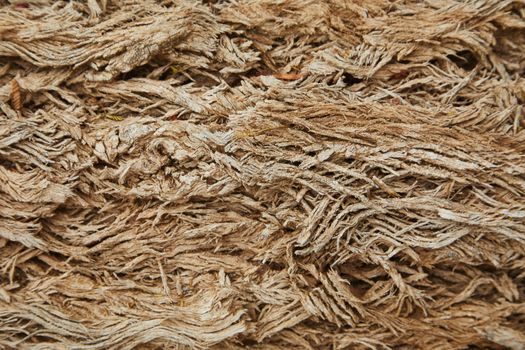
Glass fiber (alkali-resistant) and natural fibers (cellulose, sisal, basalt) are minor by volume but coded in ASTM C1116 for specialist uses — AR-glass for GFRC architectural panels, natural fibers mostly for low-strength non-structural or temporary work [S4].
Micro vs macro: a size gate, not a marketing line
The micro / macro line at roughly 38 mm length and 0.30 mm equivalent diameter is where the engineering intent changes: micro fibers hold together plastic-shrinkage cracks in the first 24 hours, macro fibers carry load across a cracked section, which is why PP macrofiber is sold as rebar replacement for slabs-on-grade and steel macro-fiber is the default for industrial floors and heavy-duty pavements [S1][S2].
On the supplier side, the cut-off is visible in the product codes: micro steel at 0.18–0.22 mm × 13 mm sits in the crack-control segment, while macro steel at 0.50–0.90 mm × 30–60 mm is positioned for structural shotcrete, industrial floors and tunnel segments [S2]. SikaFiber publishes four sub-categories on its US concrete page — Micro Fibers, Macro Fibers, Steel Fibers, Blended Fibers — and that taxonomy has become the de-facto shelf for North American distributors [S3].
Specs to lock before a 2026 mix design: dosage, geometry, standards
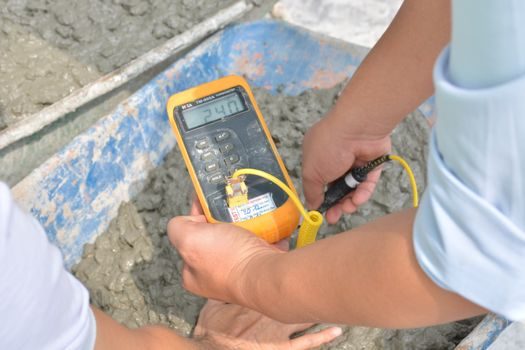
Three checks separate a working spec from a re-work. First, the fiber geometry: pull a 50-fibre sample and measure length, diameter, and aspect ratio (L/D) — hooked-end steel typically runs L/D 50–80, PP macrofiber 60–90, and these numbers feed the residual strength calculation the supplier publishes [S2]. Second, the dosage band: steel fiber in industrial floors is usually 20–40 kg/m³ (about 0.25–0.50 % by volume), PP macrofiber in slabs 3–6 kg/m³; dosage below 2 kg/m³ of PP gives plastic-shrinkage control only [S1][S2].
Third, the standards and the batching equipment. ASTM C1116/C1116M-08 governs the FRC classification system on the US side; EN 14889-1 (steel) and EN 14889-2 (polymer) are the European equivalents and are usually the reference on EU datasheets [S4]. For mixing, a concrete batching plant with a high-shear ribbon or pan mixer and a fibre dosing head is the only reliable way to keep collated glued hooked-end fibre from clumping; hand-charging at the truck chute is where the balling problems start [S3].
For shotcrete applications, a glued hooked-end collated fibre (e.g. SD65/60G at 0.55 mm × 60 mm) is preferred because the glue dissolves in the wet mix and the fibres disperse in the air stream [S2]. This is also where a concrete vibrator sized to the section depth matters — over-vibration pushes macro fibres down, under-vibration leaves them exposed at the cover face.
Where each fiber wins: a decision matrix
Match the family to the failure mode you are buying against. Steel hooked-end at 0.50–0.90 mm diameter is the right pick for industrial floors, bridge decks, airport pavements, heavy-duty tunnels, and UHPC/RPC overlays — i.e. anywhere post-crack flexural strength drives the design [S2]. PP macrofiber is the pick for slab-on-grade rebar replacement, parking decks, composite steel decks, and any spec where corrosion of steel is a long-term concern; its 0.91–0.94 g/cm³ density also keeps it from sinking in a long-haul mix [S1].
PP microfiber is correct for plastic-shrinkage control in residential slabs, pavements, precast elements, and any concrete where fire-spalling resistance matters (tunnel segments, high-rise columns); dosages of 0.6–1.2 kg/m³ are common in this segment [S1]. Blended micro+macro is the choice when a single product needs to deliver both plastic-shrinkage and residual flexural capacity and the contractor wants one bag on site [S3]. Glass and natural fibers are niche: AR-glass for GFRC cladding panels, basalt or cellulose for low-load non-structural panels or temporary works [S4].
Limits, failure modes, and what 2026 contractors keep getting wrong
Three recurring problems. First, under-dosing synthetic macrofiber: specifying 2 kg/m³ of PP and expecting structural performance — that dosage is at the crack-control end of the curve, not the structural end [S1]. Second, mismatched aspect ratio: very short steel fibre (e.g. 13 mm micro) does not contribute to residual flexural strength and will not replace rebar in a slab, no matter how high the dosage [S2].
Third, hydration and finishing issues. PP fibre shows as visible hair at the slab surface and is a finishing problem for architectural floors — the standard mitigation is a concrete curing compound applied after the final trowel, plus a stiff-bristle power float pass. Steel fibre protruding through joint faces is the most common punch-list defect on industrial floors; timing the concrete groove-cutter within 24 hours of final set reduces pull-out rust staining later. For mixes that are still sticky at the pump, a concrete admixture package with a mid-range water reducer is needed to hold the w/c ratio without sacrificing fibre dispersion.
A service-life gate worth flagging: steel fibre in chloride or marine exposure is normally specified with a stainless or copper-coated option; the SDS-1823 to SDS-2213 copper-coated micro line is aimed at this segment, not at commodity floors [S2]. PP is inert in the alkaline cement matrix, so it wins on long-term corrosion performance but loses on stiffness — a hybrid "blended" spec is the common compromise [S3].
Sourcing, datasheets, and traceability
The 2026 supplier landscape is split between fibre-only specialists (Tengzhou Star Smith / SDS, TenaBrix) and admixture-plus-fibre majors (Sika, with its SikaFiber line) [S1][S2][S3]. SDS publishes geometry-specific part numbers for every SKU — SD60/30, SD50/100, SDS-1823, SD65/60G — which makes cross-supplier comparison easier than going by trade name [S2]. Sika publishes a product guide brochure (1 MB PDF) and a batching-instructions guide (423 KB PDF) on its US concrete page; for any spec that will be submitted to a US DOT or reviewed by an EN-14889 engineer, download the batch-instructions PDF and pin the dosage, aspect ratio, and mixing time into the project spec [S3].
One protocol shift worth watching through the rest of 2026: tighter EN 14889-2 enforcement on declared fibre length and dosage tolerance on polymer macros, and a US push toward blending micro+macro in a single bag to simplify QC on industrial floors [S1][S3]. The practical signal is more "blended" SKUs in 2027 distributor catalogues and more dot-charts showing combined residual flexural strength curves, not separate micro and macro curves.
Trackable next node: the SDS and TenaBrix product pages for new L/D 80–100 PP macrofiber SKUs in 2H 2026, and any SikaFiber update that revises the batching-instructions PDF size or dosage bands [S1][S2][S3]. For related material handling, the Concrete Vibrator Selection guide covers head-size matching for fibre-heavy mixes.