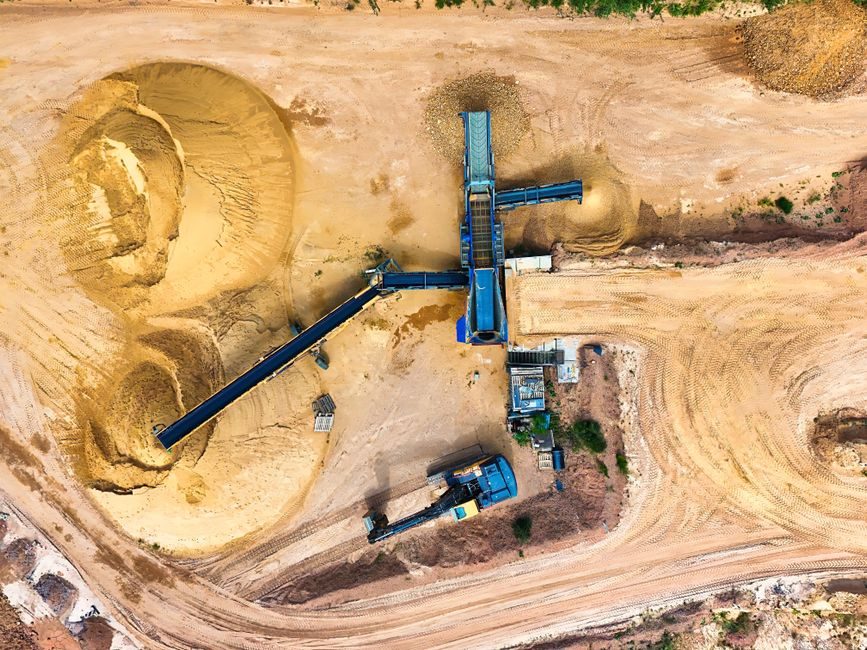
For pulp-and-paper lines, HR-R series steel conveyor chains with chain pitch 75–600 mm and tensile strength 29.4–529.6 kN are the dominant specification window, with attachments (A/K/G-type) matched to the carry position [S1].
Pulp, paper and paperboard mills expose chains to high humidity, steam, acidic/alkaline stock, and continuous dryer-section heat; the practical choice is a stainless-steel or plated roller chain with sealed or lubrication-free bushes rather than a generic automotive conveyor chain [S1][S3].
Operating Conditions a Chain Must Survive in a Paper Mill
Pulp-and-paper conveyor service combines three punishing environments: wet-end splash and chemistry (pH 4–10, chloride-bearing white water, 60–80 °C), dryer-section radiant and contact heat (steam-heated cylinders running 120–180 °C shell temperature), and reel/log handling with shock loads when logs are dropped onto the conveyor [S3]. Hengjiu Group explicitly lists "corrosion resistance, high and low temperature resistance, high strength" as the in-house capability stack it applies when serving these heavy-industry customers [S3]. For the automotive comparison baseline, BR/BF roller-bearing conveyor chains are published at 4 kN to 97 kN tensile and an upper temperature limit of 80 °C — a useful reference because 80 °C is the typical ceiling you would expect on a standard oil-lubricated chain, and most paper-machine dryers exceed it [S1]. Plastic flat-top chains (Regina 820/821 series, 64–406 mm width, 1,500–2,850 N tensile) cover hygienic, low-load packaging lanes but rarely survive dryer-section service [S1].
Chain Types Lined Up Against Mill Service Criteria
Four chain families are realistic candidates for pulp-and-paper duty. Roller conveyor chain (steel, HR-R series): pitch 75–600 mm, tensile 29.4–529.6 kN, A/K/G attachments standard, suitable for log and bale handling, reel transport, and fourdrinier wire tail sections [S1]. Standard double-pitch roller chain (DID, ANSI/JIS): pitch 6–64 mm, width 3–38 mm, tensile 4,020–470,000 N, good for low-speed package and sheet lines where contamination is moderate [S1]. Large-pitch transmission chain (Hengjiu, 250–315 mm pitch): designed for severe cement and reclaimer conditions and adaptable to paper-mill reclaim and chip-handling duty, built under ISO 9001 quality assurance [S2]. Plastic flat-top chain (Regina 820 family, 64–406 mm width): suited only to dry, low-load, hygienic sections such as cut-size sheeting or wrapper infeed [S1]. On tensile capacity alone the steel HR-R and Hengjiu large-pitch series sit 10–100× above the plastic 821 series, which is the gap that decides almost every paper-mill specification.
Material, Lubrication and Corrosion Trade-Offs
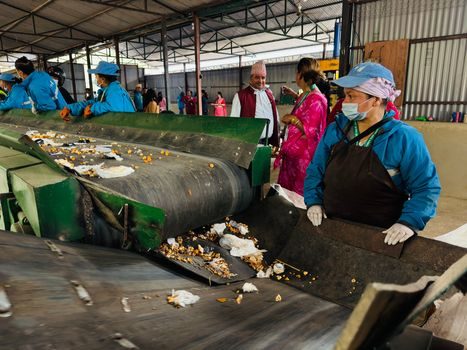
Standard carbon-steel conveyor chains are oil-lubricated and depend on a continuous grease film to keep internal wear low; in a paper mill the wet-end steam and wash-down strip that film, accelerating pin and bushing wear. Stainless-steel pin and bush variants, or sintered-bush designs with food-grade H1 grease, extend relube intervals from weeks to months in the same service [S3]. Hengjiu markets "lubrication-free, impact resistance, corrosion resistance, high and low temperature resistance" as parallel technology options for its large-pitch chains — paper mills typically select at least two of those four on every tender [S3]. For the dryer section, where ambient air is 90–110 °C and cylinder shells are higher, oil-lubricated carbon-steel chains run at the upper limit of the BR/BF 80 °C rating and are usually replaced with high-temperature grease and stainless pins rather than re-rated for the heat [S1].
Sprocket, Attachment and Conveyor Layout Details
Conveyor chains only perform to spec when the conveyor chain and the roller chain geometry match the drive and idler sprockets. For pulp lines running A- and K-type attachments, segmented split sprockets (cast, flame-hardened teeth) are standard practice because they can be fitted and removed around the shaft without disturbing the head shaft bearing [S5]. Two-strand accumulator chains with KC attachments (Zexus KC series, 36/16/17/22 mm widths, 66/17/18/31 kN tensile) are useful on packaging infeed and palletising lanes at the dry end of the mill, where the chain is running on a rail rather than between two sprockets [S1]. For chip and log conveyors, reclaimer-class chains in the 250–315 mm pitch band sit on large cast split sprockets and rely on chain conveyor drives sized for shock load, not continuous duty [S2].
Selection Criteria: Steel Pitch Width vs Plastic Width
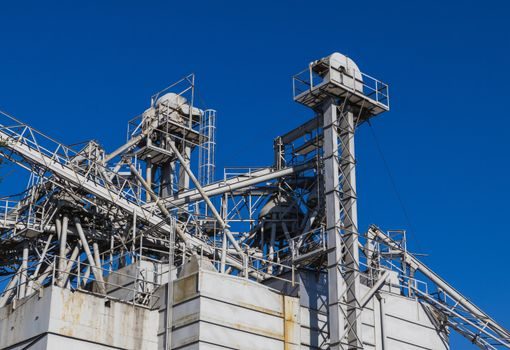
Match chain to carry position. For log, bale and reel decks specify HR-R or Hengjiu large-pitch steel, A/K/G attachment, 75–600 mm pitch, stainless pins where wash-down is daily. For sheet and cut-size packaging specify Regina 820/821 plastic flat-top, 64–406 mm width, where 1,500–2,850 N tensile is enough and corrosion would attack a steel chain. For chip, sawdust and broke-reclaim conveyors specify reclaimer-class chain at 250–315 mm pitch on segmented split sprockets. Avoid general-purpose silent chain and cable drag chain products in primary paper-machine service — they are designed for timing and energy supply, not for carrying logs and reels [S1][S2][S3].
Standards, Sourcing and Failure Modes
Conveyor chains for paper mills are not driven by a single pulp-and-paper chain standard; they fall under ISO 9001 quality systems at the maker (Hengjiu publishes this on its large-pitch line) and under general mechanical-drive chain standards (ANSI B29.1 / ISO 606) at the specifier [S2]. Hengjiu Group has supplied reclaimer-class chains to cement majors such as CONCH Group under those ISO 9001 controls, and the same manufacturing discipline is applied to paper-mill inquiries [S2]. Xiamen C&D Paper & Pulp Group, a Fortune-500 supply-chain operator with 50+ outlets, is a typical procurement channel for Asian mills and routinely consolidates chain, sprocket and pulley spares alongside fibre and pulp contracts [S6]. The two most common failure modes reported in mill service are pin/bushing wear from loss of lubrication in wet-end splash zones, and pitch elongation from shock loads on log drop zones; both are mitigated by upgrading to stainless or sintered-bush chains with sealed bearings and by specifying segmented split sprockets for easier replacement [S3][S5].
Two trackable signals for the next sourcing cycle: confirm whether the mill tender references ISO 606 or ANSI B29.1 chain dimensions, and whether the spec calls out A-type, K-type or G-type attachments for the carry position. For a closer look at related heavy-industry chain selection, the Silent Chain Sizing and Selection Guide for Industrial Power Transmission and the Cast Iron Installation Guide: Bed Plate, Guide Pillars and Field Welding Rules provide useful cross-reference detail on the bed-plate and drive-side structures that support these chains [S1][S2][S3].