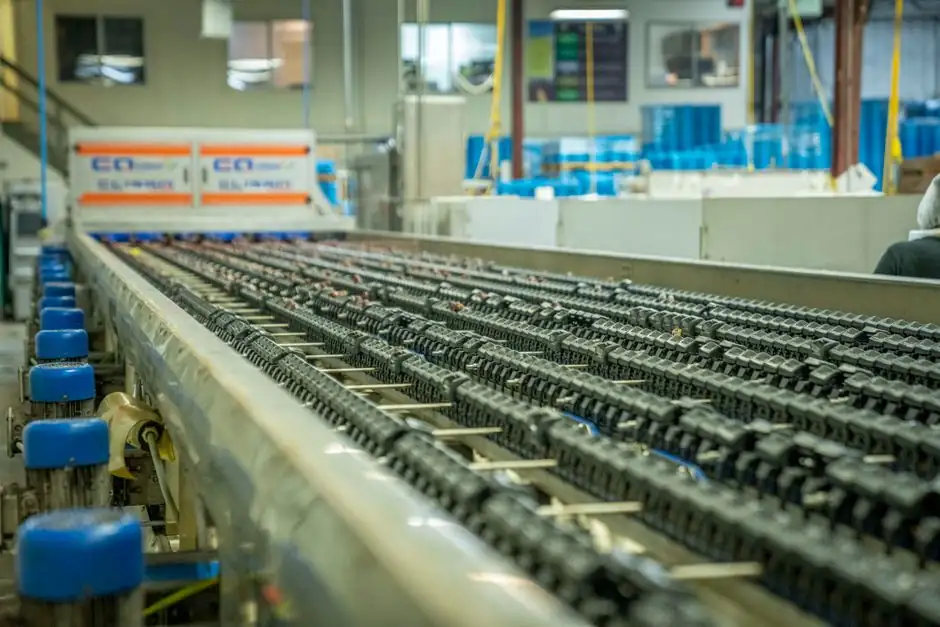
A beltless drag-chain conveyor with steel flights is the stronger choice when sort-line feeds contain sharp, hard, or impact-prone material, because its steel face resists belt puncture and impact damage [S2].
A complete sorting system adds detection, actuation, control, chutes, and downstream handling; its conveyor subsystem must survive the load stream before any sorting accuracy can be achieved [S1][S5].
Separate transport duty from sorting duty
The term “sorting system” covers the transport, sensing, decision, actuation, and discharge functions, whereas a “conveyor sorting line” is the physical arrangement that carries and presents material for separation [S1][S2]. A belt conveyor, roller conveyor, chain conveyor, screw conveyor, or overhead conveyor forms the mechanical transport layer, with each configuration serving different loads and layouts [S4].
Sort-line feed conveyors commonly move material from a hopper or tipping floor onto a sorting line in a controlled and metered stream [S2]. In an automated unit-handling installation, sensing, localization, and sorting equipment are added to that transport function; the reference application identifies conveyor color sorting and product-scattering functions as part of an implemented automatic conveyor sorting system [S5][S6].
For mechanical robustness, evaluate the conveyor and sorting equipment as separate but coupled subsystems. A belt may present parcels accurately while absorbing impacts that would damage a diverting blade or sensor, but a belt that is repeatedly cut, stretched, or displaced can still undermine the complete sorting system [S1][S2].
Compare belt, drag-chain, and steel-panel constructions
Sort line feed conveyors are available in four styles and in sizes, capacities, and configurations ranging from small, low-capacity systems to large, high-capacity systems, with attention given to ease of maintenance, cleanliness, damage resistance, and safety [S2]. Their rubber or PVC surface remains vulnerable to sharp objects and concentrated impact, so they are a poor primary choice when hard debris arrives directly from a tipping floor [S2][S3].
Match the conveyor to the impact profile
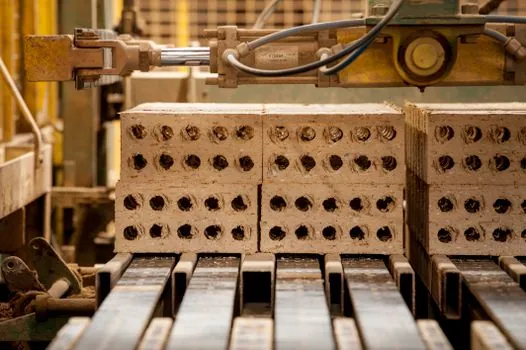
Steel chain conveyors are suited to abrasive scrap metal, while trough rubber belts are used for municipal solid waste [S3]. Wide slider-bed belts feed sorting lines inside material recovery facilities [S3].
Conveyor selection should be matched to the material stream and synchronized with the baling press [S3]. These stream-specific selections show why an impact category cannot be assigned from conveyor length or nominal throughput alone.
A common conveyor sorting line therefore should not use one impact assumption from intake through discharge.
Protect the complete sorting system
Conveyor capacity in a sorting installation is constrained by the slowest mainline conveyor, so a mechanically robust feed section cannot compensate for an undersized or overloaded downstream segment [S7]. Throughput, belt speed, item presentation, sensor resolution, and diverter timing must be checked as one envelope rather than selected independently [S6][S7].
For controlled parcel flows, evaluate the surface separately from the structural frame. The comparison of belt versus roller surfaces for fragile conveyor sorting provides a useful parallel for packaging and unit-handling applications, but mixed waste requires impact-resistant chain or steel-panel construction rather than a surface-only decision [S2][S3].
Apply these selection rules
Use a slider-bed belt for light to medium material with controlled loading and low puncture risk, accepting that a sharp-object event can cut the belt [S2]. Use drag-chain belting for medium to heavy service where the belt must be serviceable and impact exposure is moderate; specify UHMW-lined tracks and expect chain maintenance [S2].
Steel chain conveyors are suited to abrasive scrap metal [S3].
This approach is not suitable for every facility. A complete sorting system may be justified when automated identification and multiple destinations are required, but its added actuators, sensors, controls, and chutes add failure modes that no conveyor construction can eliminate [S1][S5][S6].
Verify performance before acceptance
Define the material envelope before equipment selection: nominal item mass, maximum lump dimensions, impact energy or severity, sharp-edge content, temperature, moisture, dust, and required tonnage per hour [S2][S3]. No source in the reviewed material establishes a universal impact-energy rating for conveyor sorting lines, so a universal allowable impact value should not be assumed.
Confirm that the conveyor, sensors, diverters, bins, and downstream equipment form a controlled flow, because an overloaded mainline conveyor limits the complete installation’s cases per minute [S7]. Record baseline belt tension, chain or roller condition, tracking, and transfer gaps during commissioning, then repeat inspection after the worst material stream reaches the line [S2][S7].
Track two acceptance signals: impact-related replacement frequency on the feed surface and sorting performance after impact events. The first indicates whether the mechanical selection matches the material stream, while the second reveals whether damage or disturbed presentation is degrading the complete sorting system [S1][S2].