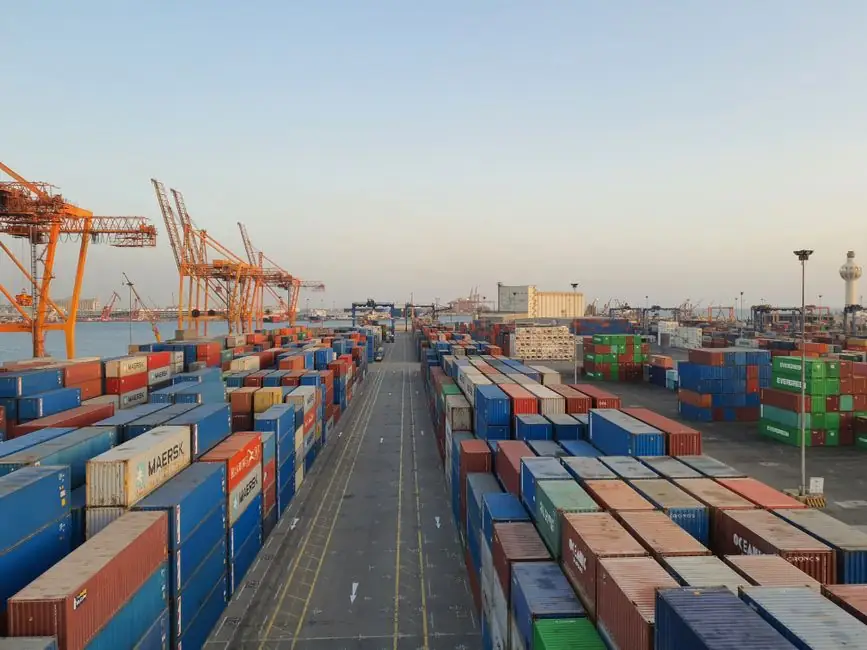
The copper value chain is a multi-stage system: mining of sulphide and oxide ores, concentration, smelting, electrolytic refining to 99.99% pure cathode, fabrication into wire rod, tubes, sheets, and alloys, and finally integration into EVs, grid equipment, and renewable infrastructure, with scrap recycling reintroducing material at smelters and fabricators [S4][S5].
As of November 2025, the global copper market sat near $270 billion in annual value, with projections toward $370 billion tied to electrification, and the U.S. had imposed tariffs of between 10 and 50 percent on imported copper and copper-containing goods, a policy variable now embedded into every sourcing decision [S2].
Stage 1, mining and concentration
The chain begins with open-pit and underground extraction of ores such as chalcopyrite, bornite, and malachite, which are crushed, ground, and floated into a copper concentrate typically grading 25-35% Cu before leaving the mine gate [S5].
Concentrate production is geographically concentrated in Chile, Peru, Zambia, and the Democratic Republic of the Congo, where labor unrest, permitting delays, social opposition, and climate-related flooding and drought have become recurring disruptions [S2].
Most new copper projects require more than a decade from discovery to first commercial production, a development clock that no longer matches the buildout speed of data centers, EV plants, and grid expansions, which is why loss-control at existing operations now carries strategic weight [S2][S3].
Stage 2, smelting and refining to cathode
Concentrate is shipped to smelters where it is converted to blister copper, then fire- and electrolytically refined into cathode at 99.99% purity, the standard merchant form sold on COMEX, LME, and SHFE [S4][S5].
Recycled material is added at various points along the smelting and refining chain, giving secondary copper real influence on cathode supply without waiting for a greenfield mine, though primary output still anchors the volume base [S4].
Refining capacity is heavily concentrated in Asia, so concentrate from South America and Africa must cross multiple shipping lanes, exposing the value chain to freight shocks, fuel surcharges, and tariff reclassifications, all of which feed directly into the cathode price buyers ultimately pay [S1][S2].
Stage 3, fabrication into wire rod, tubes, and alloys
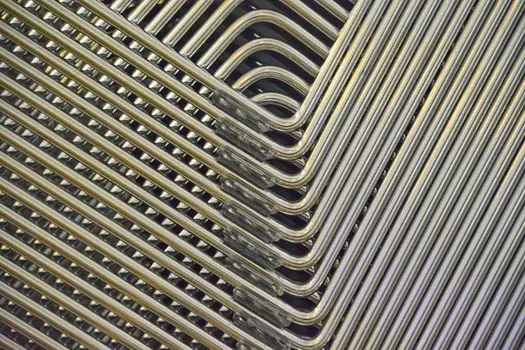
Cathode and billet are drawn, rolled, and extruded into wire rod, tubes, sheets, rods, and alloys such as brass, with each form matched to a downstream industry, for example wire rod to power supply and grid cabling, and copper alloys to plumbing and industrial heat exchangers [S4][S5].
Fabricators are the value-add layer: they take a commodity-grade input and shape it into a product engineered for conductivity, form factor, and corrosion resistance, which is why DC power supply OEMs and switching power supply manufacturers contract specific rod diameters and temper rather than buying generic cathode [S4].
For a battery electric vehicle, total copper content is commonly cited at 60-70 kg per car, with the bulk routed through harnesses, busbars, and charging hardware that all originate at this fabrication stage [S5].
Stage 4, product manufacturing and end use
Manufacturers integrate copper into intermediate and final products across construction, electronics, renewable energy, automotive, and consumer goods, while end users in the same sectors generate the demand signal that pulls the whole chain forward [S4].
Downstream sectors are not independent: AI data centers, EV plants, grid expansions, defense modernization, and advanced manufacturing are expanding concurrently, multiplying electrical pathways and redundancy requirements inside the same copper pool [S3].
Electrical applications dominate demand, with construction, machinery, and transport as core end markets, and renewable infrastructure as the fastest-growing layer; once copper is installed in a substation, building, or vehicle, it tends to stay locked in service for years or decades [S3][S5].
Stage 5, scrap collection and recycling
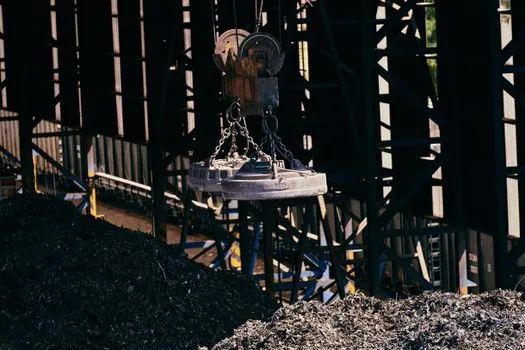
Scrap collectors, sorters, and processors reintroduce copper back into the production cycle, and recycled material re-enters at smelters, reducing dependence on primary concentrate and trimming the energy footprint relative to mine-to-cathode production [S4].
Recovery will not replace primary supply, but it reduces avoidable losses and creates a local buffer; for industrial sites running industrial UPS systems or continuous process lines, on-site copper recovery from wastewater and process streams is now a documented lever for material accountability [S3].
The Copper Mark framework applies assurance criteria across the mining, smelting, refining, fabrication, and recycling layers, with a separate Chain of Custody Standard for downstream partners, giving procurement teams a single reference when qualifying copper material sources [S4].
Comparison: where each stage adds value, and where it breaks
Mining and concentration add the highest geological and ESG risk, with multi-decade lead times and exposure to ore-grade decline, energy cost, and water intensity, but they set the volume ceiling for the entire chain [S2][S3].
Smelting and refining add purity and tradability, with concentrated geographic risk in Asia; tariff and freight shocks hit this stage hardest, which is why 2025 buyers are looking to localize refining [S2].
Fabrication adds form-factor value, with short lead times but tight capacity for specialized wire rod, busbar stock, and copper alloys; end-use manufacturing integrates copper into final products and carries the demand pull, while recycling offers the fastest response time but a capped supply ceiling relative to primary output [S3][S4][S5].
Constraints, failure modes, and selection logic
Declining ore grades, rising energy costs, and labor or permitting disruption in major producing states are the binding supply-side constraints, and they are not solvable by procurement teams, only by capital projects that run on a 10-year-plus clock [S2].
Geopolitical conflict affecting the Strait of Hormuz is expected to raise mining costs through higher reagent, fuel, power, and transportation expenses, a signal that even direct mining input prices are now coupled to Middle East security dynamics [S8].
Selection logic for buyers is therefore shifting from lowest unit price to multi-criteria sourcing: long-term offtake agreements, geographic diversification of refining, scrap integration at smelters, and assurance frameworks such as the Copper Mark, with logistics partners increasingly used to hedge disruption risk in mining-adjacent supply chains [S4][S6].
Standards and sourcing discipline
The Copper Mark Responsible Production Criteria Guide, Joint Due Diligence Standard, and Chain of Custody Standard are the three assurance documents most procurement and compliance teams reference when qualifying copper value chain partners, and the framework is expanding into a Midstream Standard to cover transport and trading stages [S4].
For engineering specifications on conductor materials, fabricators and end users typically invoke standards such as IEC 60228 for conductor classes and ASTM B49 for drawn copper rod, while scrap processors work to ISRI specifications and regional equivalents, none of which replace the need to qualify the upstream cathode source.
Trackable signals to watch through the rest of 2026 include the implementation details of the U.S. 10-50 percent copper tariff regime, the pace of new refining capacity outside Asia, the volume of scrap re-entering smelters, and whether Copper Mark coverage extends to midstream logistics, each of which will move buyer behavior before any new mine reaches production [S2][S4].
See also our earlier report, Flange TCO Analysis: Where the Real Lifecycle Cost Hides.