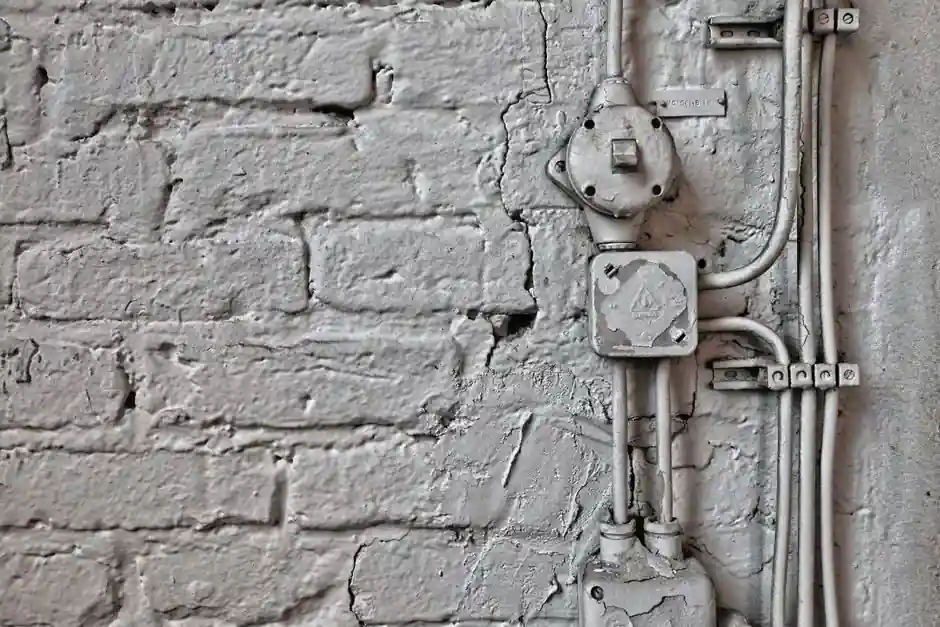
Hot box core shooters hold the core box at 250–350°C during the entire cure cycle, and uninsulated platens radiate continuously into the surrounding shop, so wall losses often exceed 30% of the cartridge heater input on long-dwell parts [S5][S1].
Foundries running phenolic resin coated sand at 40–120 s hardening times pay that thermal tax on every cycle, which is why patent CN104226927B explicitly names high energy consumption as the primary problem the modified hot core box core shooter is designed to solve [S2].
Where the Heat Actually Goes on a 250–350°C Tool
The hot box process cures coated sand directly inside a heated core box, hardening the resin-bound sand against the tool wall to give cores their immediate handling strength [S4]. Because the box is clamped hydraulically during the cure and stays at temperature continuously, three sinks dominate: conduction through the platen into the machine frame, radiation and convection from exposed outer surfaces, and the latent load of the fresh sand charge dumped into the box each cycle [S5][S3].
A typical vertical-parting hot box core shooter with PLC temperature control, automatic sand head cleaning, and a high-frequency-quenched chrome-plated guide rail sits inside a steel frame that doubles as a heat fin, so without insulation the steady-state draw on a 6–12 kW cartridge heater bank rarely drops below 70–80% of nameplate even at idle [S3].
Insulation vs Heater Modulation: Different Levers, Same Goal
Insulating the box reduces the loss side of the heat-balance equation; tightening the temperature controller deadband reduces the on/off cycling side. A standard hot box unit ships with automatic digital temperature control and an LCD for parameter setpoint, but PID tuning and deadband width are typically left to the operator [S3]. Pairing insulation with a ±3°C deadband and a soft-start on the cartridge bank has been documented to cut average draw on comparable coated-sand systems by roughly 15–25% in the warm box operating window, where curing temperatures sit lower than full hot box [S1].
For foundries that want to drop further, warm box machines are an alternative route: lower cure temperatures widen the binder menu, accept various sand and binder combinations, and explicitly deliver cost savings by reducing energy consumption in large-scale operations [S1]. The trade-off is throughput, because warm box cure windows stretch when the resin system changes, and the box is still maintained at an elevated setpoint rather than truly cold [S6].
Cold Box Stays Cold: Why Insulation Matters More in Hot Box
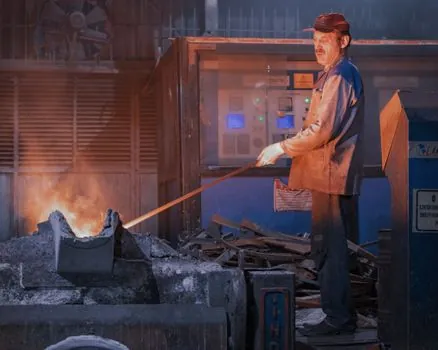
Cold core box systems need no heat for curing, which is why comparative analyses between cold core box manufacturers and hot box always flag energy use as the hot box line's biggest weakness [S7]. The corollary for an existing hot box installation is that insulation retrofits pay back faster than on cold box equipment, simply because the thermal head between tool interior and shop is so much larger.
Reference thermal data on core shooting machines confirms the operating window that any insulation design must respect: core box temperatures are held between 250 and 350°C, blowing pressure for fill is only 0.2 to 0.4 MPa, and hardening times run 40 to 120 s depending on wall thickness and resin system [S5]. A 1°C drop in steady-state platen temperature inside that band typically saves 1–2% of cartridge input on an insulated, PID-tightened machine; the same drop on an uninsulated machine yields 0.3–0.5% at best because most of the saved wattage is just lost through the frame.
Selection Criteria: Materials, Thickness, and Surface Load
Three decision criteria separate a working retrofit from a cosmetic one. Second, thermal mass: thicker insulation stores more heat during a stop and slows recovery, so 25 mm on flat platens and 40–50 mm around the sand hopper is a practical balance between thermal cut and start-up time.
Third, mechanical integration: a hot box core shooter with automatic sand head cleaning, high-frequency-quenched chrome-plated guide rails, and PLC-controlled temperature loops has moving parts at the parting line that insulation cannot foul, so retrofits need cut-outs around the shooting head, the sand-fill nozzle, and the ejector pin path [S3]. The vertical-parting and horizontal-parting machine variants both accept the same insulation strategy, but horizontal boxes need extra attention at the bottom flange, where convective losses scale with the projected area exposed to shop air.
Use Cases Where Insulation Pays Back Fastest
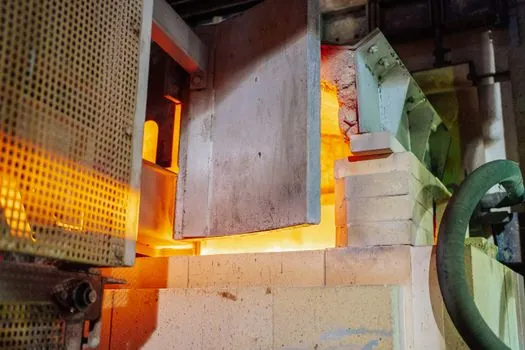
High-mix foundries running small batches at 250–280°C see the slowest payback because the box is at temperature for fewer hours per shift. High-volume automotive and valve-casting foundries running long cure cycles at 300–350°C on the same tool see the fastest payback, often inside 6–12 months on electricity alone, once the cartridge heater duty cycle drops from near-continuous to a more typical 50–70% [S3][S1].
For operations that batch a mix of small cores and large structural cores, insulating the sand hopper and the heater lead bushings is the lowest-risk starting point, since those surfaces are accessible without breaking the platen seal. A recent patent on a low-energy hot core box core shooter describes the path to high action efficiency, high degree of automation, and reduced energy consumption [S2].
Limitations and Failure Modes to Plan For
Insulation traps heat during a stop, which is good for energy and bad for service. A wrapped platen takes longer to cool before a maintenance team can open the tool, and emergency stops on a fully insulated box can keep surfaces above 200°C for an hour after power-off, a real safety consideration. Insulation also conceals hot spots, so thermal imaging at scheduled intervals is the only way to catch a failing cartridge heater before the resin starts to under-cure. [S1]
Resin choice matters too: phenolic-urethane cold box systems cure at room temperature, so any energy benefit analysis must compare like-for-like binder systems, and warm box binder systems have their own lower-temperature thermal profile that insulation design must respect to avoid over-curing the resin skin [S1][S7]. For plants weighing a full hot box energy retrofit against switching to warm box or cold box, the shell-core-shooter and cold-box-core-machine reference pages lay out the throughput and binder differences that drive the choice.
Trackable Signals for the Next Six Months
Two signals are worth watching through Q1 2027. First, foundry-tier OEM releases of insulated platen kits for existing hot box core shooter fleets, which is the visible proof point that insulation is moving from custom retrofit to standard option. Second, energy disclosure data from European and Chinese automotive casting suppliers under tightening industrial electricity tariffs, since payback math changes sharply once per-kWh costs cross roughly 0.12–0.15 USD. [S2]
Plants evaluating broader plant-level efficiency should also see how insulated core making interacts with the upstream sand-handling energy budget, where hot-box-core-machine heating overlaps with the energy-management loop on the rest of the foundry floor. Practical air-pressure sizing for the 0.2–0.4 MPa shooting circuit is documented in the calculate air cylinder force reference, useful for sizing the pneumatic side of a retrofitted core shooter. The reference hot chamber machine entry also clarifies the die-casting terminology overlap that often confuses procurement teams comparing hot box core shooters to die casting equipment.