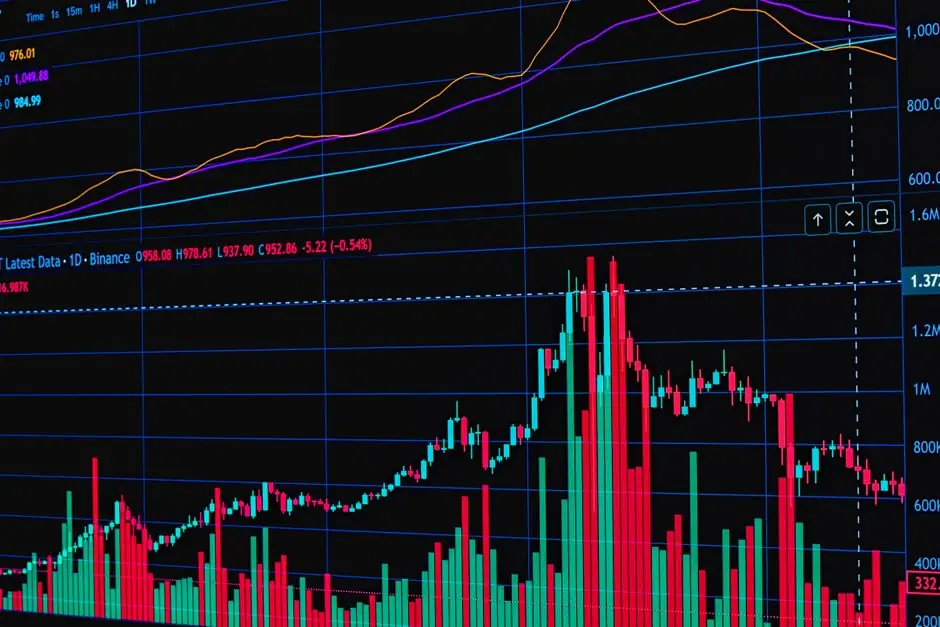
Contract prices for 8Gb DDR4 DRAM modules are now expected to climb more than 50% in Q3 2026, with DDR5 contract prices also rising sharply as Samsung, SK Hynix and Micron allocate wafer capacity to HBM and DDR5 for AI server demand [S4]. Spot quotes for the underlying chips on 2026-10-05 show DDR4 16Gb (2Gx8) 3200 averaging USD 83.59 and DDR5 16Gb (2Gx8) 4800/5600 averaging USD 58.03, an inversion that flipped the historical chip-vs-module relationship [S1][S5].
Per-gigabyte economics still favour DDR4, but the gap is closing from the wrong side: on 2026-08-21, mainstream desktop DDR4-3200 kits worked out to USD 7.81/GB versus USD 12.80-19.40/GB for DDR5-6000, and on the server side, used DDR4 RDIMMs were the cheapest at USD 5.84/GB against USD 36.34/GB for new DDR5 [S2]. For industrial buyers that rely on industrial PLCs and long-life control platforms, the practical question is no longer which generation is faster but which one can still be sourced with a multi-year roadmap.
Q3 2026 contract settlement: who is paying what
Memory contract prices for Q3 2026 are still being finalised, and DigiTimes supply-chain sources say the increases are running well above the original forecasts; the 8Gb DDR4 module segment, in particular, is now expected to rise more than 50% quarter-on-quarter [S4]. TrendForce's earlier base case projected a 55-60% QoQ rise for server DRAM contract prices in Q4 2025 and the same trajectory has carried into 2026 [S3]. On the consumer DIMM side, TrendForce's 2H August DRAM contract price benchmark for a DDR5 8GB SO-DIMM closed at USD 141.00, up 19.5% from the prior benchmark, while the DDR4 16GB SO-DIMM contract price closed at USD 290.00, up 18.4% [S5].
The 8Gb DDR4 module is the single most exposed part: a module that historically anchored both consumer and server pricing hit an all-time spot record in early August 2026, higher than any level since tracking began in 2016 [S2]. The DigiTimes reporting also flagged a potential two-year supply-demand gap for 8Gb DDR4 specifically, driven by AI demand for enterprise SSDs pulling wafer allocation away from legacy nodes [S4].
Spot data on 2026-10-05: the chip-module inversion is still live
TrendForce's spot print on 2026-10-05 puts the DDR4 16Gb (2Gx8) 3200 chip at a session average of USD 83.588 with a daily range of USD 45.40-117.00, while the equivalent DDR5 16Gb (2Gx8) 4800/5600 chip sits at USD 58.033 on a USD 43.60-69.80 range [S1]. The eTT (effectively tested) cut of DDR4 16Gb averaged USD 14.125, against USD 26.30 for the DDR5 16Gb eTT, which compresses the gap on the lower-grade product but leaves the top-bin inversion intact [S1].
This is the chip-vs-module inversion that TrendForce flagged earlier in the year: bare DRAM chips, measured in USD per Gb, are now priced above the assembled modules of equivalent capacity, and the spread is described as substantial [S3]. Under normal conditions modules carry a premium for assembly, testing and brand; the inversion means module houses are still selling through inventory bought at lower cost while chip scarcity forces spot prices higher. Historically this gap compresses within two to four weeks as module prices catch up, and that catch-up is exactly what Kingston's spot hikes already started doing [S3]. For embedded buyers that pair memory with pressure transmitters and flow meters on long-life automation nodes, the practical takeaway is that any quote locked in Q2 has already lost its floor.
Why DDR4 is rising faster than DDR5 in percentage terms
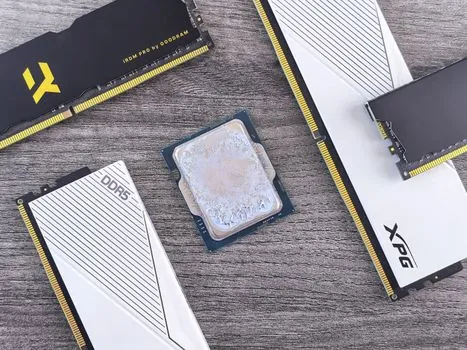
The driver is supply, not demand. Samsung, SK Hynix and Micron have moved wafers to HBM and DDR5 to feed AI accelerators, and almost no new DDR4 capacity is being added; Morgan Stanley projects DDR4 will rise a further 50% in Q3 2026 and 10%+ in Q4 2026, and Micron has shut the Crucial consumer brand entirely [S2]. The second-order effect is visible at the retail and OEM level: Dell's public R760 configurator was quoting USD 6,210 for a single 16GB DDR5 RDIMM, with 32, 64 and 96GB options marked "No longer available", while refurbished 16GB DDR4-2666V RDIMMs were trading around USD 93.49 (USD 5.84/GB) [S2].
On a per-gigabit basis at the chip level, DDR4 was quoted at roughly USD 5.31/Gb against USD 2.94/Gb for DDR5 in July 2026, so DDR4 is now the more expensive silicon per bit, even though fully-built DDR4 modules remain cheaper than fully-built DDR5 modules [S2]. This decoupling is what makes the comparison unintuitive: a buyer looking at a 32GB desktop kit still sees DDR4 cheaper, but a buyer pricing bare chip allocation sees DDR4 as the scarce, premium node. For designers picking industrial valves controllers and edge gateways, that distinction decides whether the BOM is constrained by the chip allocation or by the module quote.
Use-case matrix: which generation fits which job
New AI training and inference server builds: DDR5 is the only path with available module supply, and contract allocations are rationed; price discipline is dictated by HBM pull-through, not by PC demand. Server refresh on DDR4 platforms, including many industrial and telecom nodes that standardised on pressure sensors and PLCs with DDR4 SoCs: refurbish or extend, because new DDR4 RDIMMs are scarce and DDR5-compatible replacements are not drop-in. PC and consumer upgrades: DDR4 platforms remain the cost-per-GB winner at retail, but 32GB DDR4-3200 kits at USD 250 are roughly 3.5x the mid-2025 price and the trajectory is still up [S2].
Long-life embedded and industrial control: buy now and over-buy, because Micron's exit from Crucial, Samsung's warning that 2027 will be worse than 2026, and the projected 8Gb DDR4 supply gap suggest that waiting is the expensive option [S2][S4]. For DDR5 industrial nodes, qualify second-source modules early; the 2H August DDR5 RDIMM 32GB contract price already moved USD 63.50 week-on-week, a 3.02% jump on a USD 2,163.50 session average, and TrendForce projects 4Q26 AI-server demand to keep contract prices climbing [S5].
Limits of the data and what could break the call
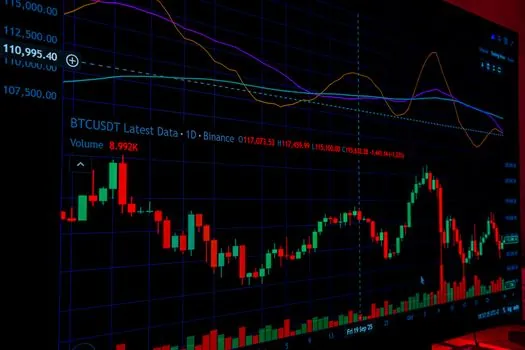
Spot prints are a leading indicator, not the contract number; the Q3 2026 8Gb DDR4 +50% figure is a DigiTimes supply-chain projection, not a settled contract, and final contracts were still being negotiated as of early July 2026 [S4]. The chip-module inversion has historically resolved within a two-to-four-week window, so the DDR4 16Gb USD 83.59 spot average on 2026-10-05 may already be a fading peak by the time Q3 contracts are published [S3]. TrendForce's HBM-blended ASP forecast for 2027 is +121% year-on-year, which would pull more wafer allocation away from DDR4 and validate the supply-gap call, but that is a 2027 number, not a Q3 2026 contract [S5].
For procurement teams the signal to track over the next 60 days is the 8Gb DDR4 contract print, because that is the part with the widest forecast range and the most exposure to AI-server pull; a second signal is the 32GB DDR5 RDIMM contract average, which TrendForce already flagged as the leading price-setter for AI server builds into 4Q26 [S5]. Engineers who want a deeper look at the supply-side mechanics can cross-check the recent write-up on distribution vs transmission grid investment 2026 for the kind of capex-driven demand pattern that is now hitting memory, or compare the long-life qualification logic in IEC 61850 process bus: 2026 design, fault-clearing gains, vendor trade-offs, which faces the same multi-year component-availability problem on a different BOM.