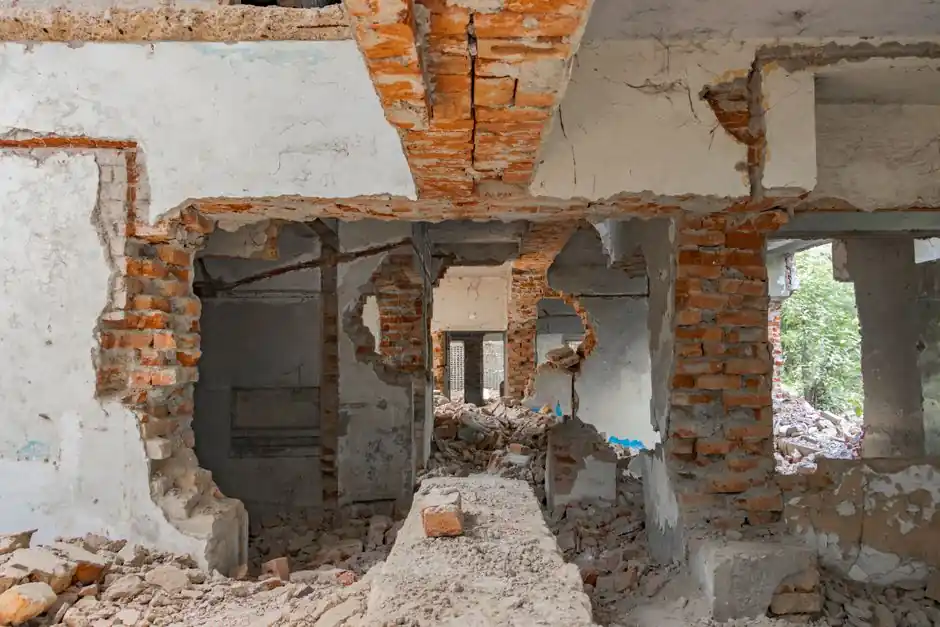
Demolition hammers, also called breakers, are classified by drive type (pneumatic, electric, hydraulic), weight class (5 kg, 10 kg, 15 kg, 30 kg+ handheld), shank/chuck system (SDS-Max, 1-1/8" Hex, Hilti TE-S/TE-Y/TE-H), and working direction (floor, wall, universal) [S2][S3].
Within electric handheld units, the market splits further by power source: corded models dominate sustained indoor work, while cordless 18-22 V class platforms (Hilti Nuron, Makita LXT, Bosch BITURBO) match corded impact energy in the sub-15 kg class and have displaced most pneumatic use on interior job sites since 2024 [S2][S5].
Drive Type: Pneumatic vs Electric vs Hydraulic
Pneumatic demolition hammers use compressed air to drive an internal piston into the chisel, producing 20-60 J single-blow energy at blow rates of 600-1,500 bpm; they remain common on outdoor civil work where a compressor is already on site, but require air treatment and hose logistics that rule them out for indoor slab work [S3].
Electric demolition hammers cover the largest SKU count in retail catalogs (Bosch, Makita, Hilti, DeWalt), with mains-powered models rated 1,500-2,000 W input and battery models in the 18-22 V / 5-9 Ah class delivering 8-25 J single-blow energy; integrated Active Vibration Reduction (AVR) and dust extraction ports are now standard on mid-tier wall chisels [S2][S4].
Hydraulic demolition hammers span handheld 1,500-2,000 W-class units and carrier-mounted breakers up to 30+ kg tool weight, fed by a dedicated hydraulic power pack; they offer the most consistent blow energy under sustained load and are the default for attachment hammers on mini-excavators and skid steers [S3].
Weight Class and Working Direction
Handheld demolition hammers cluster into four weight brackets: 5 kg (light-duty tile and plaster), 10 kg (general wall chiseling), 15 kg (floor and slab work), and 30 kg+ (heavy demolition, asphalt, foundations); the 10-15 kg class is the volume sweet spot for renovation contractors [S2][S3].
Working direction is a separate axis: floor hammers run heavier pistons for vertical breaking, wall hammers are lighter and balanced for horizontal overhead chiseling, and universal platforms accept a wider bit range but sacrifice some specialization; Hilti's catalog splits 5 floor, 4 wall, and 2 universal models across its 11-SKU demolition line [S2].
Carrier-mounted attachment hammers (silenced hydraulic breakers from 100 kg up to multi-tonne units) sit outside the handheld weight class but share the same classification logic; they are specified by carrier operating weight, blow frequency (400-1,200 bpm), and required hydraulic flow (20-180 L/min) rather than by chisel shank [S3].
Chuck Systems and Bit Compatibility
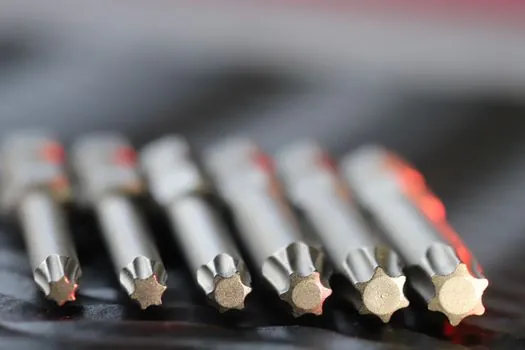
Three chuck families dominate the handheld market: SDS-Max (TE-Y) for 10-15 kg class wall and light floor work, 1-1/8" Hex (TE-H) for heavy floor and asphalt breakers above 20 kg, and Hilti's proprietary TE-S for the 30 kg cordless TE 3000-22 platform; 28 mm HEX, 1-1/8" hex, and SDS-Max are not interchangeable without an adapter [S2][S6].
Bit geometry matters as much as shank: pointed chisels initiate cracks in dense or reinforced concrete, flat and wide chisels handle surface removal and edge finishing, and spade/bush tools are matched to asphalt and frozen-ground work; mismatching bit stiffness to substrate is the dominant cause of premature chisel failure [S3].
Common catalog specs to cross-check before purchase: EPTA-Procedure 01/2003 weight (without battery), impact energy in joules, blow rate in bpm, and vibration triaxial value in m/s²; the Hilti TE 500-AVR lists 13.9 lb EPTA weight, the TE 800-AVR sits in the 15 kg SDS-Max-plus bracket, and the cordless TE 1000-22 is rated 24.9 lb with a TE-S chuck [S2].
Vibration, Dust, and Operator Safety Integration
Active Vibration Reduction (AVR) is now a near-universal feature on 10-15 kg electric wall hammers, with Hilti fitting AVR to 6 of 11 demolition SKUs and Makita's equivalent AVT on most SDS-Max models; the 8-hour exposure limit under ISO 5349 typically forces a 2-3 hour trigger time on unattenuated hammers before mandatory rotation [S2][S6].
Dust extraction is the second safety axis: a Dust Removal System (DRS) integrated shank shroud plus a class M vacuum is required for silica-compliant work in the EU and increasingly in US jurisdictions; Hilti lists DRS on 3 of 11 demolition models, while aftermarket shrouds fit Bosch and Makita SDS-Max hammers directly [S2].
Power reduction modes, a third comfort feature on 3 of 11 Hilti units, allow soft-start on brittle substrate and bit-saving on first strike; this is functionally distinct from a hammer drill's rotary mode, which a demolition hammer does not have, and is the cleanest single-spec test to separate a true breaker from a rotary hammer misuse case [S2][S7].
Selection Criteria: Corded vs Cordless, Indoor vs Outdoor
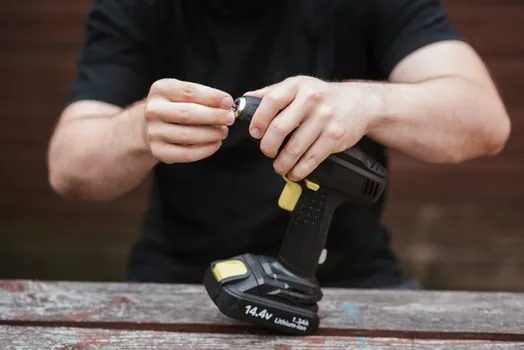
Corded electric demolition hammers deliver more consistent power across long shifts, which matters for full-day slab demolition, while cordless 22 V platforms now match corded impact energy in the 10-15 kg class and have become the default for renovation, plumbing, and electrical rough-in where outlet access is limited [S5].
For outdoor road and foundation work above the 20 kg class, pneumatic and hydraulic still dominate because battery energy density cannot yet match a 1,500-2,000 W mains draw over a full shift; for indoor selective demolition under 15 kg, cordless is the 2026 default with corded as a backup where outlet access is good [S3][S5].
Quick decision rule: pick the lightest weight class that delivers the required single-blow joules for the substrate (8-12 J for concrete block, 15-25 J for reinforced slab, 30-60 J for asphalt and rock), then select chuck shank, then add AVR/DRS as job-site silica and HAVS policy require; for a broader view of how this tool family fits adjacent power-tool categories, see the demolition hammer reference page and the wider construction machinery and equipment map [S2][S3].
Comparison Table: Drive Types Against Job-Site Criteria
Across the three drive families, four decision criteria separate them: energy source logistics, single-blow joule range, indoor air-quality suitability, and per-shift operating cost; pneumatic scores low on indoor suitability, electric cordless scores highest on indoor mobility but caps at roughly 25 J, and hydraulic scores highest on sustained heavy energy but needs a host machine or power pack [S3].
Pneumatic: 20-60 J, needs 7-25 cfm compressor, no indoor use, low per-hour cost when compressor is shared, high hose-management overhead; Electric corded: 8-25 J, 1,500-2,000 W mains draw, indoor-clean with DRS, lowest per-hour cost at high utilization; Electric cordless (Nuron / 18-22 V class): 8-25 J, no cord, indoor-clean, highest per-hour battery cost under heavy use; Hydraulic attachment: 100-4,000+ J, needs 20-180 L/min hydraulic feed, indoor only with silenced electric power pack, lowest labor cost per cubic meter of concrete broken [S2][S3][S5].
Weight class cuts across all three drives: 5 kg = tile and plaster; 10 kg = wall chiseling; 15 kg = light floor and screed; 30 kg+ = floor, asphalt, foundation; carrier-mounted above 30 kg is its own category, and the hydraulic power unit types feeding attachment hammers are a separate selection track from the handheld tool [S2][S3].
Failure Modes and Limits to Watch

Over-spec'ing a hammer is the most common procurement error: a 30 kg breaker on a 100 mm screed wastes energy as elastic rebound and risks chisel buckling, while an under-spec'd 5 kg hammer on reinforced slab overheats within minutes and trips thermal cutouts; the substrate-stiffness match is the single highest-leverage selection rule [S3].
Cordless runtime is the second constraint: a 22 V / 9 Ah pack delivers roughly 15-25 minutes of continuous chiseling in the 15 kg class, so a 4-5 pack rotation is needed for a full shift at sustained load; site managers routinely underestimate this and default back to corded for slab work after one shift [S5].
Chuck-bit mismatch causes the third failure mode: an SDS-Max bit in a 1-1/8" hex chuck (or vice versa) either will not seat or will seat unsafely; vendors do not warrant cross-system use, and the Hilti TE 3000-22 with its TE-H 28 mm hex shank is a documented example of a cordless platform that is not SDS-Max compatible without an adapter [S2].
Trackable Signals: What to Verify Before Spec'ing
Three signals to verify on the next procurement cycle: (1) EPTA-Procedure 01/2003 weight without battery on the actual SKU (not the catalog class max), (2) triaxial vibration m/s² under load, not the no-load marketing figure, and (3) DRS / dust port compatibility with the site vacuum class M rating under EN 60335-2-69; these three numbers separate a real jobsite-ready hammer from a showroom SKU [S2].
For a side-channel signal on cost-of-ownership across the wider power-tool category, the circular saw TCO breakdown applies a similar trigger-time and consumable model that translates cleanly to breaker-bit and brush wear economics.