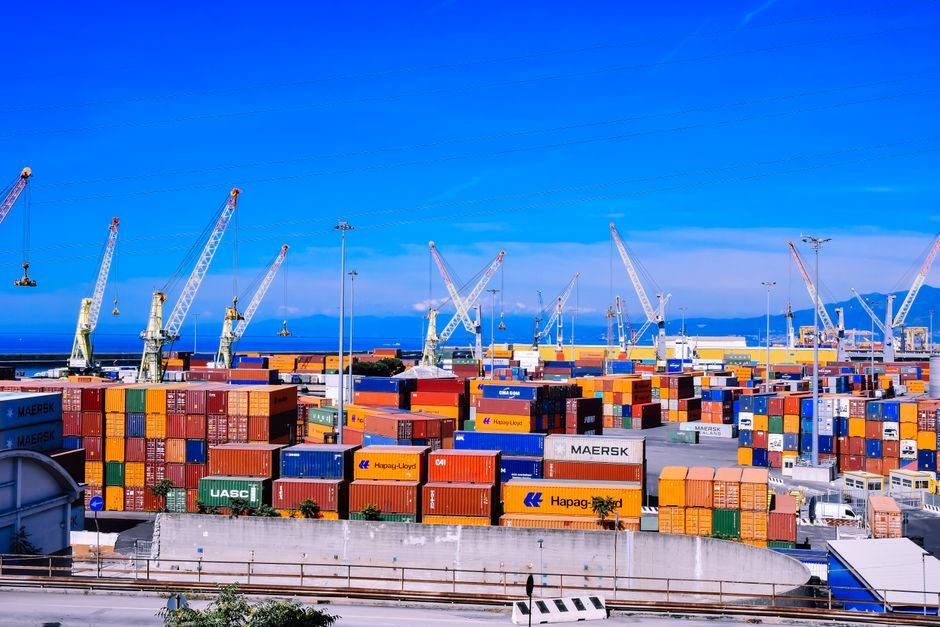
Desalination project pipelines now anchor their procurement schedules on long-lead rotating equipment, with high-pressure RO pumps and energy-recovery devices routinely quoted at 12-18 month lead times, forcing EPC contractors in 2026 to release purchase orders 9-12 months ahead of mechanical completion [S3].
The scope of this analysis covers the upstream equipment layer (intake screens, low-pressure and high-pressure pumps, energy-recovery devices, valves, instrumentation), the membrane layer (RO and NF elements, pressure vessels), and the downstream balance of plant (chemical dosing skids, cleaning systems, ERD bypass piping, post-treatment re-mineralisation). Seawater reverse osmosis (SWRO) is the dominant technology in newly awarded capacity, brackish water RO covers smaller inland plants, and thermal MED/MSF capacity remains confined to a shrinking set of Gulf and co-generation projects.
Upstream Equipment: HP Pumps, ERDs, and Valve Bottlenecks
High-pressure centrifugal pumps rated 70-90 bar at flows of 1,200-3,500 m³/h per train are the single longest-lead item in a 100,000 m³/d SWRO train, with forging capacity for super-duplex (ASTM A890 Grade 5A/6A) and duplex (EN 1.4462) casings effectively concentrated in three foundries across Europe and East Asia [S3].
For readers mapping the full SWRO spec landscape from intake to permeate, our Desalination Supply Chain 2026: Upstream Pumps, ERDs, Valves and Downstream RO Skid Map breaks the same chain down by component and lead-time band. The upshot: pressure-class 600# and 900# butterfly valves in super-austenitic 6Mo (UNS N08367 / S31254) bodies, plus 2507 duplex piping, carry 30-40 week lead times against a typical 12-20 week envelope for standard 150# ductile-iron valves — a 3× swing that compresses the construction window if release slips by a month.
RO Membrane and Pressure-Vessel Layer
Membrane pricing has moved with brine-channel feed spacer geometry: 34-mil standard, 28-mil high-fouling, and 17-mil high-recovery configurations, with the 28-mil spacer commanding a 10-15% premium and the 17-mil spacer a 25-30% premium over standard feed.
Pressure vessels, normally 8-inch fiberglass-wound units rated 300-450 psi (≈21-31 bar) for two-stage SWRO or 600-1,000 psi (≈41-69 bar) for the high-pressure end, are sourced from a narrower supplier set than the membranes themselves, and vessel-side lead times of 20-28 weeks have begun to dictate the membrane loading schedule rather than the reverse. Side-port versus end-port geometry also affects hydraulic profile: end-port designs give lower delta-P per pass (typically 0.2-0.4 bar) but at the cost of higher footprint and more inter-stage piping.
RO Energy and Recovery Economics

Specific energy consumption in modern SWRO has dropped into the 2.5-3.5 kWh/m³ band, down from 6-8 kWh/m³ for first-generation plants, with isobaric ERDs recovering 60-65% of the brine hydraulic energy and the balance taken by the HP pump and inter-stage booster (2025-08). Overall recovery ratios for two-pass SWRO typically sit at 40-50% to keep feed pressure below 80 bar, while single-pass designs at 35-45% recovery trade permeate quality for a smaller membrane array and lower energy. [S1]
For projects co-located with power generation, MED thermal units historically added a second 4-6 kWh(e)/m³ equivalent thermal load, and modern hybrid MED-RO designs deliberately split recovery to push the RO above 50% while leaving a 120-130 °C top-Temperature MED polisher to handle the final 10-20% of throughput — a configuration that materially changes the valve and piping spec because MED vapour-side components must meet ASME B31.1 power-piping rules rather than the B31.3 process-piping rules used on the RO side.
Selection Criteria: SWRO vs BWRO vs Hybrid Thermal
Three technology families compete for the 2026-2028 project pipeline, and the decision is driven by feed-water salinity, plant scale, energy cost, and discharge constraints. SWRO covers feed TDS from 30,000 to 45,000 mg/L, BWRO handles 1,000-10,000 mg/L, and hybrid MED-RO is reserved for sites with low-cost waste heat and brine disposal limits that force recovery above 60%. [S2]
The decision matrix most EPC procurement teams apply looks like: (1) feed TDS — SWRO above 15,000 mg/L, BWRO below 10,000 mg/L, hybrid for either end when discharge is constrained; (2) scale — SWRO and hybrid dominate above 50,000 m³/d, BWRO is typical below 20,000 m³/d; (3) energy cost — at electricity tariffs above USD 0.08/kWh, hybrid loses to SWRO+ERD; (4) brine TDS limits — when outfall TDS must stay below 50,000 mg/L, two-pass RO with brine recirculation is preferred over a thermal stage. This gives a clean, criteria-based comparison that maps directly to the equipment lists in [S3].
Procurement Signal: Lead Times, Forging Windows, and Inventory Levers
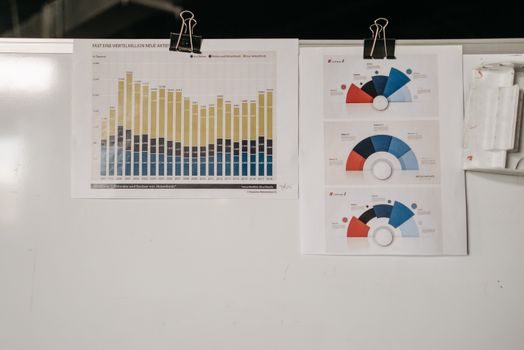
Three signals are worth tracking on a 6-month rolling basis. First, super-duplex and 6Mo valve and pipe forging slots — these are the same foundries that serve oil & gas, so any petrochem up-cycle in 2026 cascades into desalination lead times, and a 16-20 week slot is normal whereas 30-40 weeks is the new bad-case. Second, RO element pricing through the spring 2026 demand peak, where Middle East tender awards have historically reset the annual price baseline. [S3]
The same supply-chain risk pattern we see in the Lithium Battery Supply 2026: Foil Inputs, NMC vs LFP Trade-offs and Sourcing Levers chain — long-lead single-source sub-components dictating the project schedule — is repeating in desalination around high-pressure pumps and ERDs.
Standards Governing the Supply Chain
Four standards frame nearly every procurement decision in a 2026 SWRO bid. ASME B31.3 governs RO-side process piping above the high-pressure pump discharge; ASME B31.1 applies on the MED vapour side of any hybrid plant; ISO 14001 environmental management is now a near-mandatory EPC pre-qualification, with bidders that lack certification typically screened out at the RFP stage. AWWA M46 covers reverse osmosis and nanofiltration system design, and its appendices are the reference most engineering sub-contractors cite for membrane array design. [S4]
For materials, NACE MR0175 / ISO 15156 restricts duplex and super-duplex grades in H₂S-containing service, which affects intake and outfall pipework on plants near oil-producing coastlines; the same upstream/downstream pattern that constrains the LNG Upstream and Downstream 2026: Spec Map, Capacity Nodes and Sourcing Levers chain shows up here. ATEX 2014/34/EU and IEC 60079 series zone classifications drive instrumentation selection in chlorine rooms and dosing skids, with Ex d IIB T4 enclosures now standard for outdoor chemical skid cabinets.
Where the Bottlenecks Will Sit in Late 2026
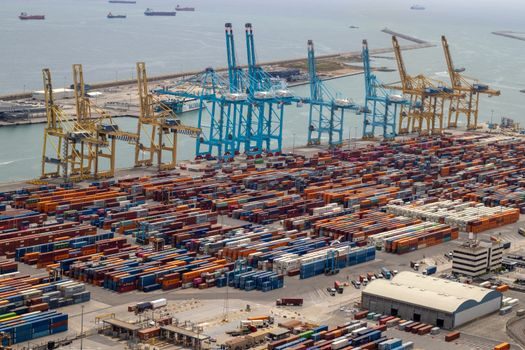
The two tightest nodes at the back end of 2026 are titanium tubing for the MED evaporator surface and super-duplex 6Mo piping for HP pump discharge headers, with both categories competing for the same forging and rolling mill slots that serve the oil & gas, LNG, and geothermal sectors. A useful early warning is the published order book of the top three RO membrane producers — when their seawater-grade element backlog extends past 26 weeks, the rest of the train (vessels, pumps, ERDs) tends to follow within one quarter. [S5]
For project teams still finalising their 2026-2027 procurement calendar, the practical action is to lock the high-pressure pump and ERD PO before the membrane array design is frozen — a counter-intuitive sequencing choice, but it is the only way to keep the membrane loading date aligned with the mechanical completion of the RO building, and it is the same risk-desk logic that reshapes GPU Supply Chain 2026: CoWoS, HBM and Wafer Bottlenecks Reshape Sourcing for advanced packaging.
For component-level specifications, see dc power supply, switching power supply, and chain conveyor.