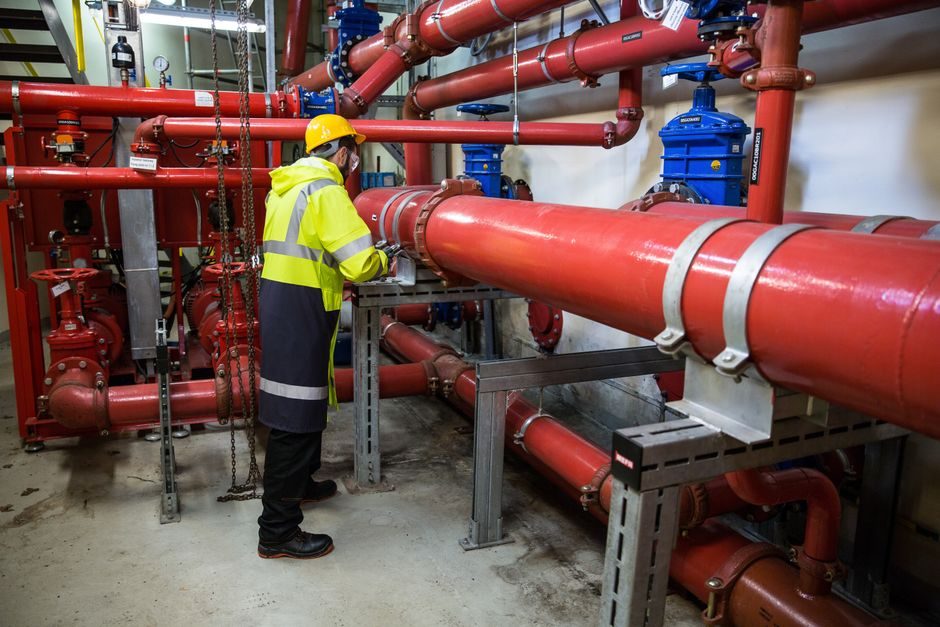
Diaphragm valves from BERMAD (BC-420-P, hydraulically-operated, DN 40-350mm at 16 bar; IR-22T-55-2W, electric pilot, 0.5-10 bar) and the metering 900/M0-R02 all carry "calibration" as a factory-rated function, confirming that diaphragm geometry is a real calibration-stage architecture rather than marketing copy [S2][S3][S5].
Plug valves occupy the adjacent envelope — higher temperatures, particulate-laden media, larger bores — but their plug-seat sliding interface produces a different wear curve, and that curve sets the maintenance cadence the instrument team has to plan against, regardless of which valve brand is bolted in.
What "calibration" means when it lives on the valve
On a control loop, calibration usually points to the pressure sensor and the PLC scaling block. When a valve datasheet lists calibration as a function — as BERMAD does on the BC-420-P pressure-reducing model and the 900/M0-R02 hydrometer [S2][S5] — it is signalling that the valve body itself participates in the set-point chain. The diaphragm isolates the actuator chamber from the process, so the force the actuator delivers maps cleanly onto a known orifice geometry, which is what makes the assembly re-traceable after a stroke cycle.
The practical consequence: any change in diaphragm stiffness, actuator spring rate, or pilot pressure shifts the set-point, so the calibration interval is really an interval for re-verifying that the relationship between the pressure sensor reading and the valve's flow-vs-stem position is still inside the original tolerance band.
Diaphragm valve mechanics that drive the interval
The diaphragm is the only wetted moving part. BERMAD's plastic-body 2-way designs (PVC-U, PP, PVDF shells on the FIP CMDV/CP series [S4]; plastic body on the BC-420-P [S2]) push the elastomer into direct contact with the process and keep the metal stem and packing out of it. That single moving boundary is the reason calibration drift tends to be slow on these valves — there is no plug-seat sliding contact to grind a seat profile into a new shape.
What changes the interval is the diaphragm material, not the metal. A 50°C, 16-bar plastic-body valve on clean water (BC-420-P [S2]) and a 180-260°C compact purge valve on hydrocarbons (ASDevices PLSV [S1]) are using very different elastomers, and the elastomer is the part that ages. When elastomer compatibility is preserved and the fluid is clean, the interval can run long; when it is not, the interval collapses to whichever side of the elastomer curve the process sits on.
Plug valve mechanics that drive the interval
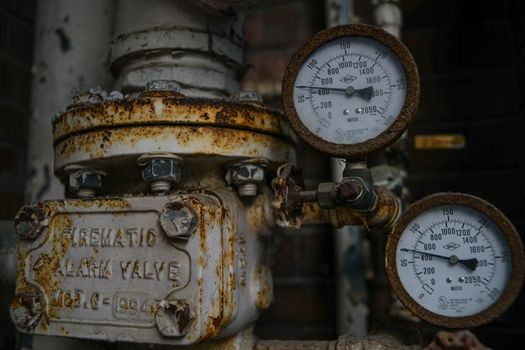
Plug valves replace the flexing diaphragm with a rotating plug — typically cylindrical or conical — whose bore aligns with the pipe when open. Set-point repeatability depends on the plug returning to the same angular position against the same seat. The wear that matters is at the plug-seat interface, and it shows up as either a step change in seating torque (which the actuator interprets as a position error) or a steady drift in the leakage class. [S1]
For calibration-interval planning, the rule is that metal-on-metal plug valves (used where elastomer diaphragms cannot survive — high temperature, abrasive slurry, or large line size) are interval-bound by seat wear, while soft-seated plug variants trade temperature ceiling for a more compliant interface that also wears. Either way, the interval is shorter in services with suspended solids, and the failure mode is a step, not a drift.
Decision criteria: diaphragm vs plug for interval
The four criteria that decide which architecture wins on interval are temperature ceiling, fluid cleanliness, line size, and whether the loop is a set-point valve or an on/off isolation. Lining them up against each other: [S2]
Temperature ceiling: diaphragm valves in the research cap at 260°C on the ASDevices PLSV [S1] and 50°C on plastic-body BERMAD units [S2][S3]; plug valves in lined or metal-seated builds are the option above that envelope.
Fluid cleanliness: diaphragm designs tolerate clean and mildly corrosive fluids (chemicals on the IR-22T-55-2W [S3], water on the 900/M0-R02 [S5]) but lose interval advantage in slurry; plug valves hold up better with suspended solids but pay for it in seat wear.
Line size: the BC-420-P runs up to DN 350 mm [S2] and CMDV/CP fits the compact plastic-valve envelope [S4]; large-bore slurry duty is a traditional plug-valve slot.
Function in the loop: where the valve is a calibration-stage pressure-reducing or metering element (BC-420-P, 900/M0-R02 [S2][S5]), the diaphragm geometry is purpose-built for it; on/off isolation does not need a calibration-rated valve, so the interval discussion collapses to leak-tightness.
Where diaphragm valves lose the interval advantage
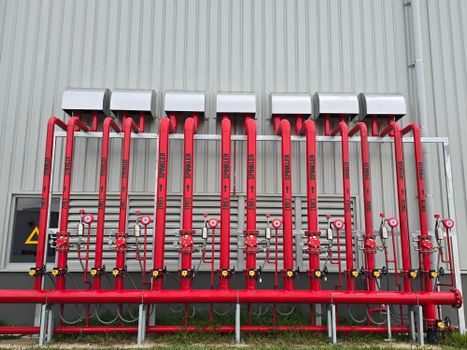
Three failure modes pull a diaphragm valve off its long-interval track. First, chemical attack on the elastomer — the same property that lets the diaphragm isolate the actuator (the design point of the industrial valve family) also makes it the first part to fail in a fluid it was not rated for. Second, abrasive particulate — the flex cycle pumps fines into the diaphragm surface and cuts the interval. Third, sustained high temperature — the ASDevices PLSV reaching 260°C is at the top of the polymer-elastomer envelope, not the middle of it [S1], and the 50°C rating on the BERMAD plastic-body BC-420-P is a reminder of how much the temperature ceiling varies with material selection [S2].
Plug valves do not share the elastomer failure mode, which is the architectural reason they keep showing up in services where diaphragm valves are technically installable but practically short-lived. The trade is that plug-seat wear becomes the new interval driver.
Selection signals worth tracking into Q3 2026
Two signals are worth watching on the 2026-06-20 frame. First, ASDevices' compact purge-and-seal pattern (PLSV at 180-260°C, gas/hydrocarbon service [S1]) keeps the elastomer-diaphragm envelope one step further into hot service than the BERMAD plastic-body family, which is the direction the calibration-interval argument will keep moving. Second, FIP's PVC-U / PP / PVDF CMDV/CP range [S4] and the BERMAD IR-22T-55-2W at 0.5-10 bar [S3] bracket the low-pressure chemical-service envelope where diaphragm calibration intervals are most commonly written into the maintenance plan.
Track the next vendor datasheet revision on diaphragm material codes (EPDM vs FKM vs PTFE-faced) for any of the BC-420-P / IR-22T-55-2W / CMDV/CP lines, and watch for a lined plug-valve datasheet that publishes a seat-wear curve in cycles — that is the closest thing the procurement team will get to a comparable interval spec.