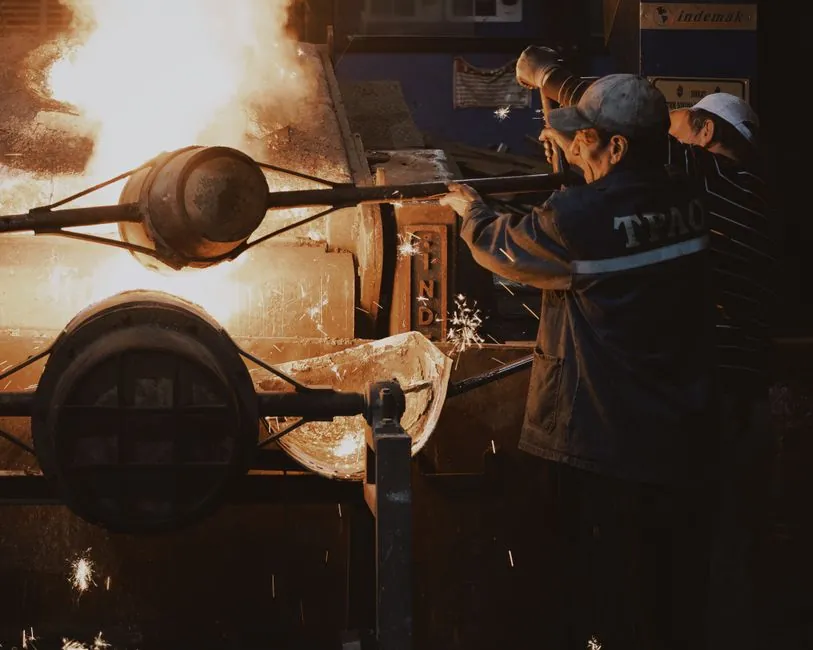
A die casting machine is a hydraulic or electric rig that injects molten non-ferrous metal into a closed hardened-steel die at 7–350 MPa, holds pressure during solidification, then opens the die for part ejection [S1][S3]. The two functional halves are the shot end (cylinder, plunger, injection piston) and the locking end (platens and tie bars that resist die opening), and the whole cycle is synchronised by a PLC that meters shot velocity in stages [S1][S2].
Standard machine sizes are quoted by clamping force, which spans 1 tonne to 5,000 tonnes, with most production units sitting between 250 tonnes and 2,400 tonnes; the chosen tonnage sets the maximum projected area that can be filled without the die flashing [S1]. For an overview of machine categories, see the die casting machine reference, and for the dominant alloy class, the aluminum die casting machine entry.
How the shot end delivers molten metal at controlled velocity
Molten metal enters a horizontal shot sleeve either from an attached furnace (hot chamber) or via an external ladle poured into an open sleeve (cold chamber), and a hydraulic plunger then drives the slug forward in three timed stages: slow advance, fast fill, and intensification [S1][S5]. Holding-furnace temperatures for aluminium sit between 650 °C and 700 °C, with dosing furnaces using pressurised air to feed a heated pipe into the shot sleeve [S1].
Hot-chamber machines integrate the metal reservoir and gooseneck into the machine, which lets the plunger submerge directly in the melt; this layout favours low-melting-point alloys such as zinc and magnesium alloys (AZ91D) and can reach roughly 500 parts per hour on small zinc parts [S1][S2][S3]. Cold-chamber machines keep the melt pot separate because aluminium and magnesium attack submerged iron components, so each shot is ladled in and a fresh charge is metered for every cycle [S2][S3].
Locking force, platens, and what a machine's tonnage really limits
Die casting machines are rated by the maximum clamping force the locking end can apply across the parting line, and that number is the working ceiling on the projected area of the casting multiplied by the injection pressure [S1]. Typical high-pressure die casting runs in the 30–100 MPa range on intensifier-driven modern cells, with older cold-chamber presses able to peak above 200 MPa for thin-wall structural parts [S1][S3].
Two locking layouts dominate: toggle (mechanical advantage, fast, common on small-tonnage hot-chamber units) and direct hydraulic tie-bar lock (slower, more controllable on machines above roughly 800 tonnes where toggle forces are impractical) [S1][S2]. For low-pressure and gravity-fed variants that rely on metal head rather than plunger force, the gravity die casting machine reference describes the die tilt and pour cycle. The dedicated vacuum die casting machine entry covers the evacuated cold-chamber variant used to suppress gas porosity in structural aluminium.
Cycle stages from die close to part ejection
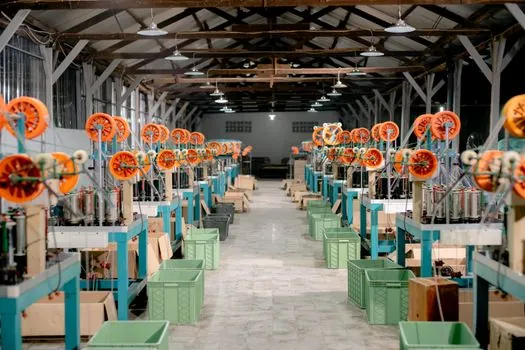
A complete HPDC cycle is die close, clamp build, shot, cool, die open, eject, lubricant spray, and return to close, and on a small zinc hot-chamber cell the full cycle can drop below 10 seconds; large cold-chamber structural castings typically run 60–180 seconds depending on wall thickness and cooling-line design [S1][S2]. Cooling water is circulated through channels machined into the die set, and modern control loops trim the flow per cycle based on the previous shot's thermal profile [S1][S2].
Six high-level stages are usually described: mould preparation, metal injection, cooling under maintained pressure, ejection, and finishing [S2]. For magnesium-specific cells that run hotter and tighter, the magnesium die casting machine reference details the SF6 cover-gas and steel-flushing routines that protect the shot sleeve. The zinc die casting machine entry covers the small-tonnage, hot-chamber-dominated end of the market where multi-slide dies make hardware and lock components.
Hot chamber vs cold chamber: a spec-based comparison
The decision is dominated by the alloy's melt temperature and its chemical attack on steel: zinc (melting range roughly 380–420 °C) and magnesium (around 650 °C) are routinely hot-chamber, while aluminium (around 660 °C but with iron-attacking chemistry) and most copper alloys require cold-chamber [S2][S3]. Hot-chamber cycles are shorter because the metal does not have to be transferred; cold-chamber cells trade cycle time for the ability to handle larger shots and hotter, more aggressive alloys [S1][S2].
Compared on three criteria, hot-chamber wins on cycle time and thermal efficiency (no ladle heat loss, no submerged iron), cold-chamber wins on shot size and alloy range (no limit from gooseneck submersion depth, no iron contamination), and neither wins on porosity, which is a function of intensification pressure and vacuum rather than the chamber type [S1][S2][S3]. Real production cells add an evacuation stage to either layout, dropping cavity pressure below 100 mbar before injection, which is the only practical way to bring aluminium structural parts below the 1% porosity threshold needed for heat-treated, welded assemblies [S1].
Process variants and where the working principle diverges
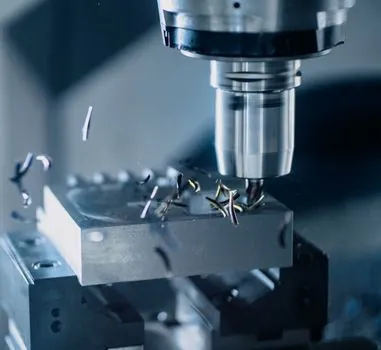
Squeeze casting and semi-solid rheocasting share the high-pressure intensifier stack of a cold-chamber HPDC cell, but apply pressure throughout solidification rather than only during fill, which collapses shrinkage porosity and lets the part be heat-treated like a forging [S3]. Low-pressure die casting inverts the pressure direction, typically 0.3–1.0 bar of regulated air on a sealed crucible that pushes melt up a riser into the die, and is widely used for aluminium wheel and suspension castings where metallurgical soundness matters more than cycle time [S3].
Gravity die casting drops the pressurised fill entirely: the die is tilted, metal is poured from a ladle, and the cycle is governed by pouring temperature and die coatings rather than injection ramps [S3]. These variants all reuse the same die-set, platen, and locking architecture, so a process engineer usually picks the machine class first, then the variant second.
Process control inputs that determine part quality
Four inputs govern casting soundness and dimensional repeatability: melt temperature at the sleeve, shot velocity profile (slow fill to roughly 0.1–0.5 m/s in the gate, then fast fill in the cavity), intensification pressure held during solidification, and die-temperature uniformity at start of shot, all of which are now closed-loop controlled on most modern cells above 400 tonnes [S1][S2]. Die lubrication is sprayed automatically between shots with water-based release agents, and the spray pattern, volume, and dwell time are programmable per cavity region [S1][S2].
Real-time monitoring of plunger position, hydraulic pressure, and cavity vacuum pulls out-of-control shots before the part is ejected, which is the only practical way to keep reject rates below 1–2% on long unattended shifts [S1][S2].
Who should (and should not) specify a die casting machine
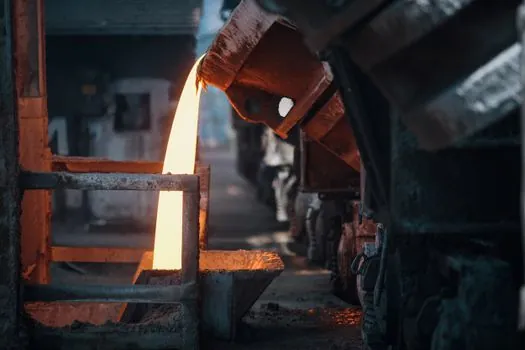
Die casting is the right choice for high-volume non-ferrous parts, typically above roughly 5,000 identical parts per year, where tight tolerances, thin walls, and a smooth as-cast surface are required and the alloy is restricted to zinc, aluminium, magnesium, or selected copper- and tin-based alloys [S2][S3]. It is the wrong choice for short prototype runs (where 3D-printed sand casting or machined billet is cheaper), for very large parts above the tonnage of available presses, for ferrous alloys, and for safety-critical parts where internal porosity cannot be tolerated without downstream HIP processing [S2][S3].
For shops that need burr-free edges on the cast blanks before downstream machining, the related deburring machine working principle: mechanical, thermal, and electrochemical options reference describes the finishing-cell side of the workflow, and deburring machine specifications: burr types, grit, edge radius, and process selection covers the spec side.
Trackable next signals for a process engineer specifying a new cell in late 2026 are: locking force vs projected-area audit on the part CAD, intensity-pressure ceiling vs the alloy's gate velocity need, and whether the chosen machine class supports a vacuum retrofit for porosity-sensitive structural castings.