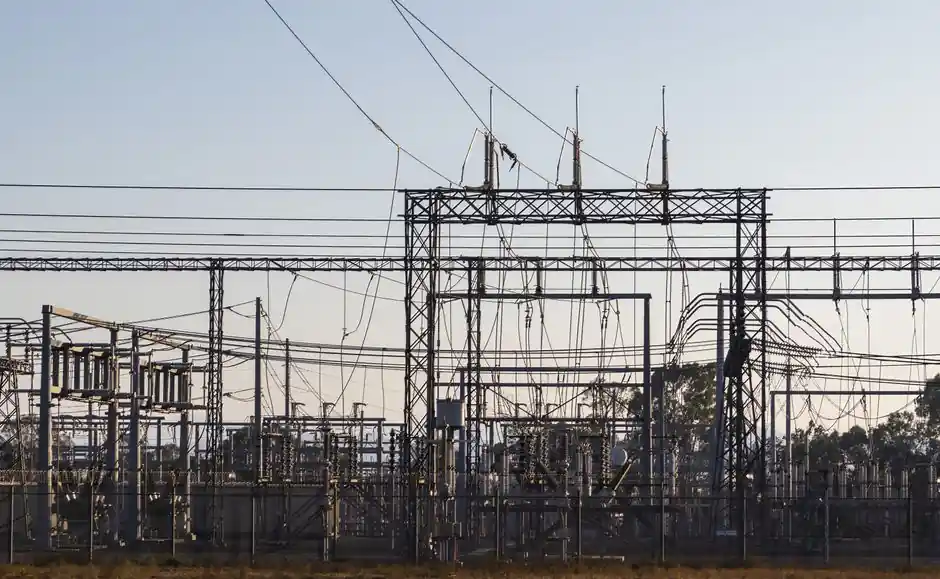
A low-voltage distribution cabinet concentrates circuit breakers, switches, busbars, and connection points to distribute power while protecting circuits against overloads and faults [S5].
The comparison distinguishes wall-mounted from floor-standing cabinets, network cabinets from server cabinets, and indoor from outdoor switchgear.
Core Benefits and the Limits of Enclosure Protection
Low-voltage distribution cabinets house circuit breakers and other devices used to control and distribute power to outgoing circuits. Their advantage is not simply enclosure strength: the value comes from combining segregation, protection, controlled connection points, and service access in one installation [S1][S5].
Distribution cabinets require regular inspection and maintenance because improper installation and neglect can cause problems.
Cabinet Format Comparison Against Four Decision Criteria
Wall-mounted cabinets suit compact installations where floor area is constrained, while floor-standing cabinets provide greater load capacity and easier access to interconnected equipment [S3]. This makes format selection a direct comparison between footprint, load capacity, installation effort, and long-term service convenience [S3].
Wall-Mounted Versus Floor-Standing Distribution Cabinets
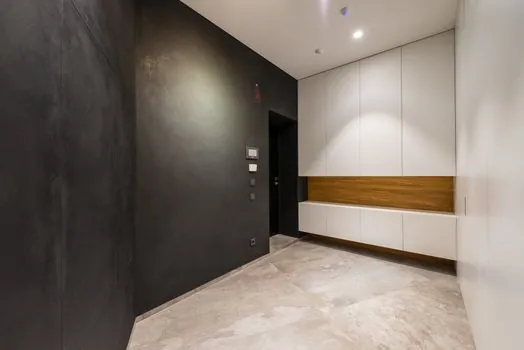
Wall-mounted distribution cabinets preserve floor space and suit sites with limited room, while floor-standing models offer higher load capacity and a more practical arrangement for larger electrical systems [S3]. The comparison covers space, load capacity, installation, and long-term convenience, which are the four factors that should drive the choice [S3].
Network cabinets add another useful distinction because they normally accept 19-inch equipment measuring 48.26 cm and house switches, routers, and patch panels [S2]. Network cabinets are often smaller, lighter, and easier to position, making them suitable for small- to medium-sized network environments.
For electrical power distribution, a power distribution box is the relevant category rather than an IT network enclosure. The 19-inch format helps define network-cabinet geometry, but it does not establish suitability for fault-current protection, busbar loading, or industrial disconnection requirements [S2][S5].
Environmental Control Is a Practical Selection Constraint
Cabinet protection is strongest when enclosure ingress control and internal condensation management are designed together. Switch cabinets can experience condensation, while semiconductor dehumidification devices are used to remove moisture from them.
Common semiconductor models can operate from AC 220 V or DC 24 V, consume about 30–60 W, and support narrow-space rail or wall-mounted installation. Their low electrical demand makes rail or wall installation inside narrow cabinets practical [S4].
Compressor models are generally used in large power-distribution rooms and are rarely used in cabinets.
Specifications for cold or humid installations must therefore state the temperature and humidity envelope, drainage arrangement, alarm outputs, and tested extraction capacity rather than relying on the word “dehumidifier.”
Maintenance, Protection, and Failure Modes
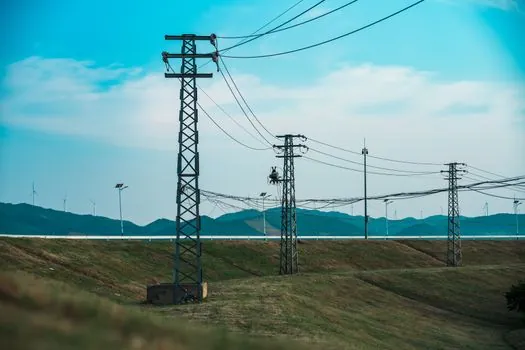
Distribution cabinets require regular inspection and maintenance to help prevent problems caused by improper installation or neglect.
Busbars centralize connections between incoming and outgoing circuits, but their current rating, insulation, insulation type, and temperature rise require project-specific verification. An indoor cabinet below 1,000 V still has no usable rating until the voltage, fault level, number of outgoing circuits, and permissible temperature rise are defined [S5].
Failure modes cluster around poor workmanship and uncontrolled environment: loose connections create fire hazards, blocked ventilation produces heat buildup, incorrect wiring impairs operation, and cabinet neglect can lead to overheating, short circuits, or fires [S5]. These risks make inspection frequency, access clearance, spare-parts strategy, and switchgear ratings more meaningful procurement criteria than cabinet appearance.
Who Should Use a Distribution Cabinet
Distribution cabinets fit commercial buildings, residential installations, industrial facilities, ring-network installations, central distribution points, transformer or PT cabinets, and cable rooms where circuits must be isolated, protected, and distributed [S4][S5]. They are appropriate when the installation needs centralized breakers, accessible connection points, controlled cable termination, and a defined maintenance boundary [S5].
They are not a substitute for outdoor-rated equipment, hazardous-area apparatus, high-voltage switchgear, or specialized process controls. Indoor metal-enclosed switchgear is generally associated with installations below 11 kV, while higher-voltage applications commonly use gas-insulated components [S1]. Site classification, voltage, and environmental exposure must therefore be settled before selecting a cabinet format.
Outdoor, washdown, dusty, marine, or explosive installations require an enclosure and protection level matched to those conditions rather than a generic indoor cabinet [S1]. For systems where cubicle separation and withdrawable maintenance are decisive, a mcc cabinet may be the relevant starting point, but motor-control protection still has to be engineered separately from the enclosure.
Sourcing Criteria That Prevent an Expensive Mismatch

Specify voltage, incoming and outgoing circuit counts, short-circuit withstand, busbar rating, earthing arrangement, enclosure material, mounting method, ingress protection, and environmental limits before comparing products. Circuit breakers and connection points should remain serviceable, while ventilation openings must not compromise the enclosure’s required protection [S1][S5].
For indoor installations, verify the difference between a metal-enclosed design, where devices share a sheet-metal enclosure, and a metal-clad design, where earthed partitions isolate individual compartments [S1]. Ask the supplier to identify whether breaker compartments are withdrawable, what documentation supports the busbar and enclosure ratings, and which accessories are type-tested with the base cabinet [S1].
For cabinet dehumidification, record the stated test condition of 30°C and 85% relative humidity, the 300–600 ml daily range for typical semiconductor units, the 30–60 W power consumption, and the AC 220 V or DC 24 V supply options [S4]. Also require documented behavior below 10°C, drain-failure protection, communication protocol, and spare-part consistency, because manufacturer quality control can materially affect reliability [S4].
A purchase order should also identify the applicable local electrical code and the project-specific design rules for clearances, access, fault protection, and installation. The cabinet is the visible endpoint of a wider design chain involving conductors, protective devices, grounding, ventilation, and commissioning, so approving the enclosure without checking those interfaces leaves the principal risks unresolved [S5].
Track the cabinet through three verifiable controls: witness testing of busbar temperature rise and short-circuit protection, installation inspection of terminations and clearances, and a scheduled thermal survey after operation under representative load.