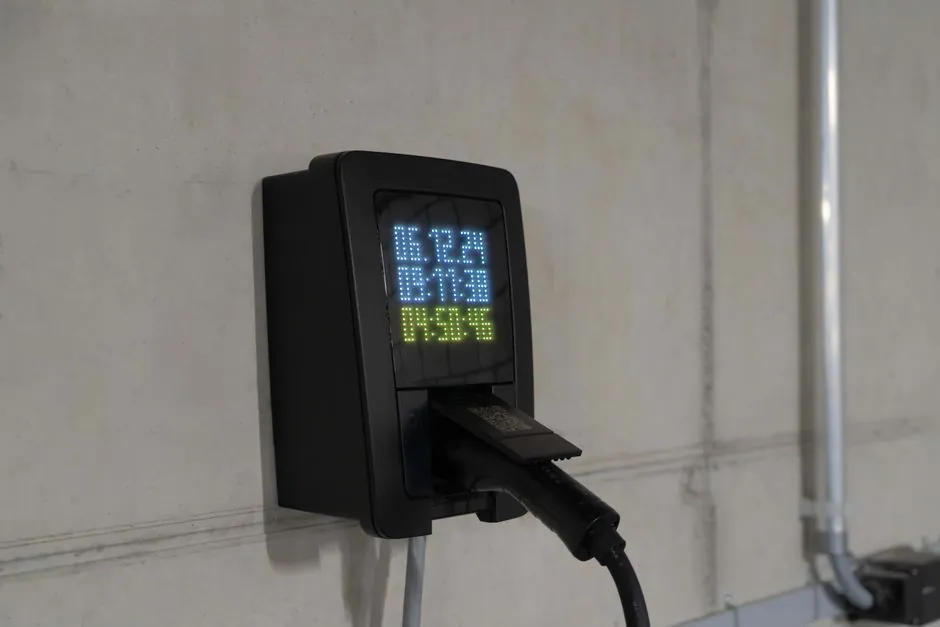
EV charging station raw materials split into two material families: metals and alloys (stainless steel, aluminum, copper) for structural and current-carrying parts, and polymers (PC resins, elastomers, TPU) for cords, displays, and gaskets [S3]. In 2024 the metals and alloys segment led global volume on the back of conductor and enclosure demand, and that weighting is forecast to hold through 2031 [S3].
For procurement teams the practical question is not "which material" but "which grade, which form, and which jurisdiction." Cobalt, lithium, and nickel are critical for the battery side of the EV ecosystem but only marginally relevant to the charger hardware itself, where copper conductivity, aluminum heat dissipation, and stainless steel corrosion resistance dominate the bill of materials [S1][S3].
Metals and Alloys: Stainless Steel, Aluminum, Copper
Stainless steel typically anchors the charger enclosure, mounting plate, and external fasteners because of its corrosion resistance in outdoor and coastal service, with 304 and 316 grades being common picks. Aluminum appears in heat sinks, internal chassis, and die-cast housings for DC fast chargers, where thermal management matters as much as weight. Copper is the workhorse conductor for internal busbars, charging cables, and connector pins, and is the single largest metal cost driver per station [S3].
Source concentration is the binding constraint. Nickel primary supply sits in Southeast Asia and Russia, cobalt in the Democratic Republic of Congo, and lithium hard-rock mining is led by Australia [S2]. For charger hardware, the practical risk shows up as copper and aluminum price volatility rather than physical shortage, because EV-related demand competes with grid, solar, and building wiring for the same primary output [S1][S2].
Polymers: PC Resins, Elastomers, TPU
Polycarbonate (PC) resins are used for display covers, optical lenses on status indicators, and some internal brackets where impact resistance and clarity are both required. Thermoplastic polyurethane (TPU) and other elastomers dominate the cable jacket, connector overmold, and sealing grommets because of flex life and UV resistance. Polymer content is higher in AC Level 2 stations with long cables, and lower in liquid-cooled DC fast charger cables where the polymer role is concentrated in seals and overmolds rather than the full jacket [S3].
For sourcing, polymer selection tracks three numbers: flame rating (typically UL 94 V-0 for internal charger plastics), UV stability (a hard requirement for outdoor enclosures), and cold-bend temperature for cables installed in northern climates. These specifications are usually set at the OEM level and traced through the supply chain as part of the charger certification package rather than negotiated per shipment.
Supply Risk Map: Where the Materials Actually Come From
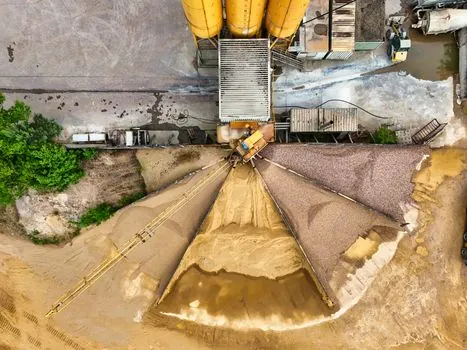
Primary supply is concentrated, and that concentration is the dominant supply-chain risk for both metals and battery materials. Cobalt is sourced chiefly from the Democratic Republic of Congo, nickel from Southeast Asia and Russia, and lithium hard-rock from Australia, with brine production concentrated in South America [S2]. Most large producing lithium mines had offtakes committed through 2026 at the time of the 2022 industry survey, with junior mines still several years from production [S2].
That mismatch is the engineering reality behind the headlines. As Dr. Qichao Hu noted, "it takes about 2 years to build a new battery gigafactory, but it takes at least 8 years (sometimes more than 10 years) to build a new lithium mine" [S2]. For charger hardware buyers the read-across is indirect: battery material tightness feeds OEM vehicle pricing, which feeds charger utilization, which feeds replacement-parts demand. See the broader EV battery market structure for 2025-2026 for the upstream picture.
Material Selection Criteria: Conductivity, Corrosion, Thermal, Cost
A typical comparison anchors on four criteria: electrical conductivity, corrosion resistance, thermal conductivity, and cost per kg. Copper wins on conductivity and is the default for conductors and connector pins. Aluminum wins on weight and thermal conductivity, which is why it shows up in heat sinks and DC fast charger chassis. Stainless steel wins on corrosion resistance and structural stiffness, which is why it owns the enclosure and mounting hardware [S1][S3].
For polymer parts the comparison flips to mechanical criteria: flex endurance for the cable jacket, impact strength for the display lens, and compression set for the connector seal. The trade-off is straightforward: TPU and other elastomers are softer and more flexible but cost more per kg than commodity PC, so they are specified only where the application requires it.
Who This Is For, and Who It Is Not
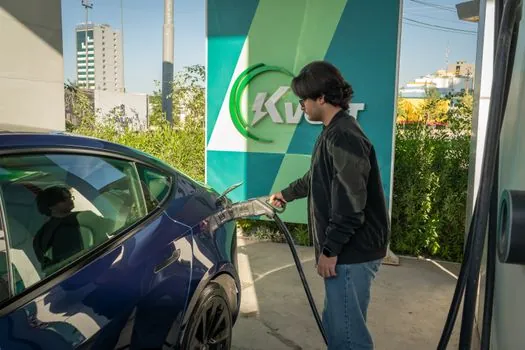
Charging-station OEMs, contract manufacturers, and tier-one enclosure fabricators are the natural audience for this guide: teams that need to lock grade, form, and country of origin before issuing a purchase order. Fleet operators and site hosts usually specify performance (IP rating, kW output, connector standard) rather than material, so a metal-by-metal analysis adds little for them. [S2]
Battery cell designers and pack integrators should look elsewhere. The cobalt, lithium, and nickel flows covered in this sourcing map overlap with battery supply only at the mineral level; cathode chemistry, cell format, and pack architecture are not in scope here, and the demand multipliers for cobalt (about 37 times 2015 levels by 2030) and lithium (about 18 times) reflect cell demand, not charger hardware demand [S1].
Limitations, Failure Modes, and Spec Boundaries
Three failure modes drive most charger field returns: corrosion at the enclosure fastener and connector interface, UV-driven polymer embrittlement on outdoor cable jackets, and thermal fatigue at the aluminum heat-sink interface. Material choice addresses the first two directly: 316 stainless over 304 in coastal and de-icing-salt zones, and UV-stabilized TPU rather than commodity PVC for cable jackets. Thermal fatigue is a design problem more than a material problem, but it constrains the alloy choice and the joining method. [S1]
Spec boundaries worth flagging: copper purity for current-carrying parts typically sits at C110 or higher, aluminum for die-cast housings is usually in the 380-series family, and stainless steel is most often 304 for general outdoor use and 316 where chloride exposure is expected. None of these are exotic, but they are non-negotiable for warranty and for compliance with regional electrical codes that govern the charging station as a whole.
Sourcing Standards and Traceability
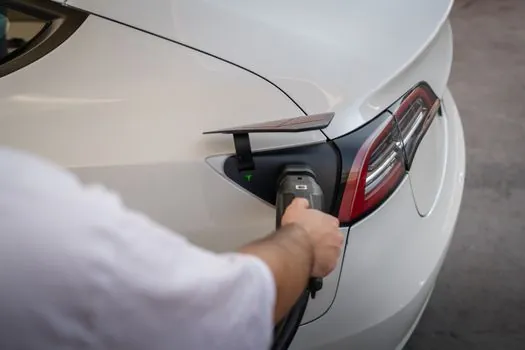
Charger-level certifications (UL, IEC 61851, IEC 62196 for connectors) drive most material specs at the assembly level, and those certifications in turn require documentation of metal grade, polymer flame rating, and country of origin. For copper, conflict-mineral and chain-of-custody documentation is increasingly requested by European and North American utilities even when it is not strictly mandated.
For battery-relevant minerals upstream of the charger, the same traceability logic applies but with a different policy backdrop: the EU Critical Raw Materials Act and the US Defense Production Act funding for battery materials both treat cobalt, lithium, nickel, and graphite as strategic inputs [S2]. For charger hardware buyers, the practical signal to watch is whether your copper and aluminum mills are themselves requesting origin documentation, which is the leading indicator of where compliance pressure will land next. The wider BESS supply chain trace path is a useful cross-check, because battery storage projects buy many of the same metals and are already a year or two ahead on documentation.
Standards and Material Codes Referenced
Stainless steel grades 304 and 316 are the baseline enclosure picks, with 316 specified where chloride exposure is expected. Aluminum 380-series covers most die-cast charger housings. Copper C11000 is the standard busbar and conductor grade. Polymer flame rating UL 94 V-0 is the typical internal-plastic baseline, with IEC 61851 and IEC 62196 governing the charging system as a whole. The mineral flow numbers (cobalt 37 times, lithium 18 times 2015 demand by 2030) are model outputs from the CoMIT framework rather than observed values, and are cited for context only [S1].
Trackable signals for the next sourcing cycle: (1) whether major copper mills start requiring origin documentation for utility and EV-charger orders, mirroring what battery cell makers already see, and (2) whether aluminum heat-sink supply tightens relative to enclosure-grade stainless as DC fast charger deployment scales through 2026-2028, since the DC fast charger build path is the volume driver on the metals side.
Spec-level background on the components involved: linear guide, crossed roller guide, and advanced material.