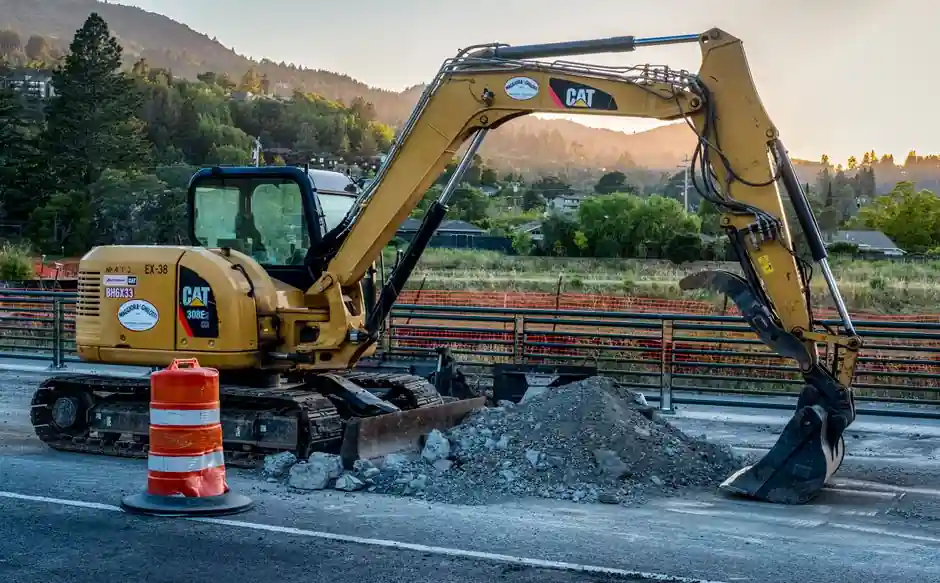
For a structural fabrication yard, an excavator on the RFQ is a material-handling and site-prep tool, not a long-haul earthmoving asset, so the spec line must pin operating weight, engine net power, bucket capacity, maximum dig depth, maximum reach, and tail-swing class to one model number [S3].
Procurement groups that bundle drawings, specs, addenda, alternates, schedule constraints, and exclusions into one bid package before sending it out see fewer pricing gaps than those who send a piece-price request and chase clarifications by email afterwards [S2]. The same principle applies to the excavator line: write the operating envelope onto the RFQ sheet, do not let the dealer fill it in.
Operating Weight, Engine Power, and Hydraulic Class
Operating weight is the single number that decides whether the machine can stage plate, lift dunnage, and load a fab truck without a lowboy, and the RFQ should call it out at the maximum ballasted figure rather than the shipping dry weight [S3]. Engine net power in kW (or hp at a stated rpm) and hydraulic-system flow in L/min must appear on the same line: a 12-tonne class machine with 75 kW and 220 L/min is a different tool from a 12-tonne class machine with 55 kW and 160 L/min, even though the brochures look similar [S3]. Bore and stroke should be requested in the engine sub-line so a fleet manager can compare competing powerplants on a like-for-like basis, not on marketing names.
Capacity utilization at the dealer's rental pool is a soft but real signal: suppliers running above 90% utilization struggle to honor a true expedite, which is the same pattern procurement sees in fabrication shops whose buffers are gone [S1]. Ask the dealer for a written availability window for the exact configuration, including thumb, quick coupler, and the auxiliary hydraulic lines that the yard's attachment fleet already uses.
Bucket, Reach, and Lift Geometry
Bucket capacity must be specified in cubic metres (or cubic yards) at heaped SAE rating, pinned to a specific bucket model and tooth count, since dealers will otherwise quote the smallest standard bucket and rebid the moment a real digging task is named [S3]. Maximum dig depth and maximum reach at ground level, both measured per ISO 6015 test conditions, tell you whether the machine can clean out a footing without repositioning on every pass; for fab-yard trenching of utility runs and foundation prep, a 5.5–6.0 m reach is the practical floor for a 12–15 tonne class carrier.
Lift capacity at full reach at ground level, in kg, with the load over the side and over the front, is the number that decides if the machine can pick a fabricated column off a trailer without a crane; this figure should appear in the RFQ response, not just in a sales brochure. A line that omits the lift chart forces the dealer to assume the worst (lowest) value and inflate the price, which is the same scope-gap pattern that drives fabrication change orders when tolerances are left vague [S1].
Tail Swing, Undercarriage, and Site Footprint
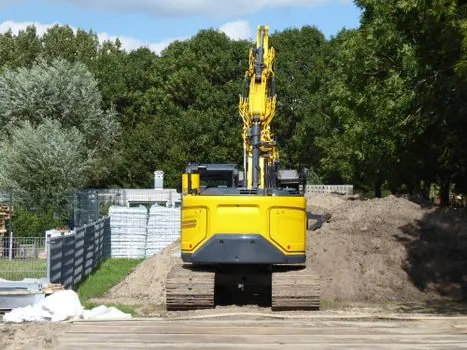
Zero tail swing or zero house swing is a binary choice driven by the yard layout: zero-swing lets the operator work tight to a fab building, a loading dock, or a stacked material rack without slewing into a wall, and it is the right call for any structural yard with side obstacles [S3]. Conventional tail swing gives a narrower carrier and better transport weight, but it costs reach on the working side and forces the spotter to police the swing radius on every cycle, which is a real risk when crews are moving plate and beams around the machine.
Track length, track width, ground pressure in kPa, and overall transport width must appear on the spec line because structural yards often have narrow gates between buildings, and a machine that cannot be walked through a 3.0 m gate is not the machine the RFQ actually needs. Blade width and dozer function are optional, but if site prep is in scope, the blade dimensions and lift height should be called out next to the undercarriage data so the dealer does not rebid when a grading task is added [S3].
Attachments, Auxiliaries, and Telematics
The RFQ line for attachments should list thumb type (mechanical or hydraulic, fixed or swing), quick-coupler brand and model, hammer/shear auxiliary lines with flow and pressure ratings, and any third-party attachment the yard already owns that the machine must accept [S3]. Hydraulic thumb lines that do not match the existing attachment fleet are the single most common cause of a 30-day delay between machine delivery and first productive dig, because the dealer has to source hoses, valves, and couplers after the PO is signed.
Telematics should be specified as a checkbox: payload weighing, idle time, fuel burn, geofence, and a documented API or web export so the data feeds the same fleet dashboard the fab shop uses for overhead cranes and forklifts. The dealer often treats telematics as a freebie on new units, but the data-export rights and the subscription term are the parts that get re-quoted later if they are not pinned on the RFQ [S1].
Inspection, Service, and Total-Cost Line Items

Inspection-equipment language from a fabrication RFQ translates cleanly to an excavator RFQ: ask for the dealer's owned service trucks, the typical response time in hours, and the certified weld-inspection capability for any boom or stick repair, since boom welds are a common repair on used iron [S1]. Hour-meter readings, last fluid-analysis results, and a documented undercarriage measurement (shoe height in mm or percent wear) belong on the spec sheet for any used or rental unit; without them, the dealer quotes a class of machine, not a specific machine.
Total cost of ownership should be broken out on the RFQ response form: delivery and pickup freight, first PM service, warranty term in months or hours, telematics subscription, and a per-hour all-in rate that bundles fluids and filters [S1]. Suppliers that resist a line-item breakdown are the same suppliers that produce scope-gap change orders on fab work; the question costs nothing and is the cheapest insurance on the PO [S1].
Common RFQ Mistakes That Force Requote Cycles
The most expensive omission is operating weight without a tolerance: dealers will quote the lightest configuration in the model range and rebid the moment a counterweight or heavier undercarriage is needed for lift charts. The second is bucket capacity without a model code, which lets the dealer pick a 0.4 m³ general-purpose bucket when the job is a 1.0 m³ footing dig. The third is leaving tail-swing class open, because the zero-swing boom is a different structural sub-assembly from the conventional boom and cannot be added after the machine is built. [S3]
A useful cross-reference for line-by-line RFQ discipline is the spec pattern used in casting-mold and heat-treatment RFQs, where each parameter (material class, tolerance band, inspection method) is pinned to a value on the sheet so the supplier cannot fill in their preferred default; the same logic applies to an excavator line, and a structured casting-mold RFQ spec shows the same anti-gap structure. Sites that need explosion-rated support equipment for adjacent coating or paint booths should add the hazardous-area classification to the RFQ, since the wrong machine in a Class I, Division 2 zone is a downtime event waiting to happen, and a spec-first guide for explosion-proof selection lists the certification line items the dealer must answer. For yards with steam, glycol, or hot-oil lines feeding the fab shop, the excavator working radius near buried or above-grade utility runs should be flagged on the bid package so the operator does not strike a header, and an expansion-anchor certification checklist gives a parallel example of how utility proximity gets pinned to documentation before work starts.
Track the following on the next bid: a written availability window for the exact configured unit (not the model class), a lift chart at full reach with the working attachment, and a freight line that includes the first PM. If any of those three comes back as "to be confirmed" on the dealer quote, the RFQ line is under-specified and a requote cycle is already on the calendar.
Spec-level background on the components involved: pressure transmitter, and flow meter.