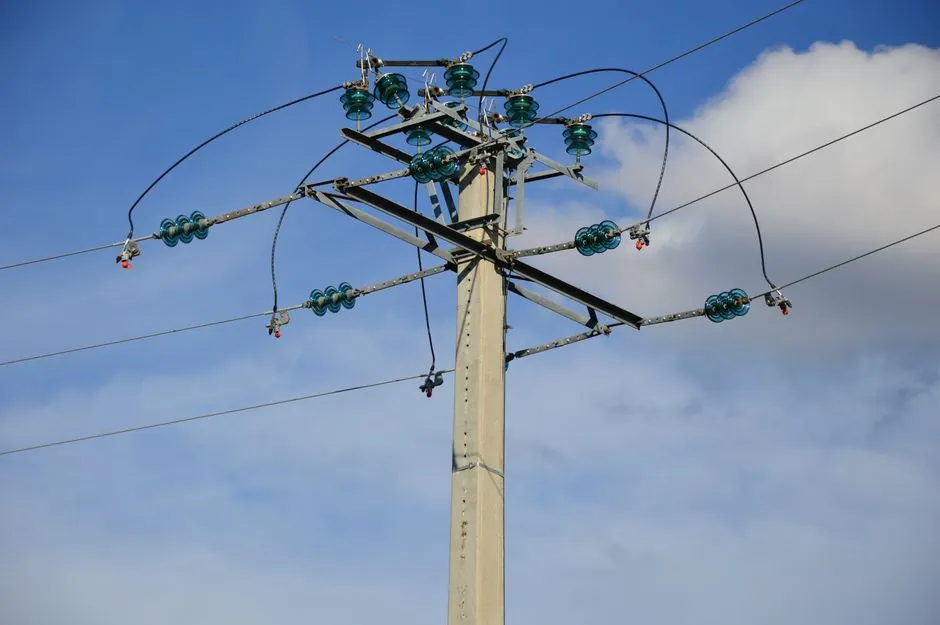
A fuse interrupts excessive current by melting a low-melting-point metal element, providing fast protection against short circuits [S2][S3].
Fuses are inexpensive, simple devices with no moving parts or external operating power, and they protect against overcurrent [S2][S4].
Protection Principle and Main Benefits
Fuses contain a metal wire or thin strip with a relatively low melting point. Current above the selected rating heats the element until it melts, opening the circuit and preventing continued fault current from damaging wiring or equipment [S2][S3].
The principal advantages are straightforward construction, low cost, rapid response and easy replacement. They require no external power to operate, have no moving parts, and are available in multiple current and voltage ratings [S2][S4]. Most designs are self-protecting and extinguish the arc after the element operates [S1].
This makes the fuse attractive for appliance protection and automotive and industrial applications [S2].
Principal Disadvantages and Failure Constraints
A conventional fuse is a one-time-use protective device. After it melts, the assembly must be replaced manually; unlike a resettable circuit breaker, it cannot be restored by operating a switch [S2][S4].
Incorrect replacement is a practical safety risk [S4].
A fuse does not protect a circuit against undervoltage [S1][S4]. Other protection measures must therefore cover those electrical hazards.
Selection by Fault and Interrupting Requirements
Fuses are available in various current and voltage ratings and provide protection against overcurrent and short circuits [S4].
Breaking capacity is a decisive constraint because a low-breaking-capacity fuse may be unable to extinguish the arc produced by a high prospective fault current [S1]. The fuse type must also account for whether the circuit experiences steady load current, motor-starting surge current or other inrush. A conventional fuse selected without sufficient surge tolerance can operate during motor starting even though the steady-state current is below its rating [S1].
Construction adds another variable. Classification includes cartridge, rewirable, enclosed, switch, striker, DC, AC, low-voltage, high-voltage, expulsion and HRC fuses, plus automotive, semiconductor, overvoltage-suppression and resettable devices [S2]. This range demonstrates that a device described simply as a fuse may have materially different voltage, interruption and reset characteristics.
Comparison Across Decision Criteria
On acquisition cost, installation effort and operating simplicity, a conventional fuse is usually stronger than a powered or mechanically complex protective device. Its simple passive construction needs no operating power and contains no moving parts, while its element can be replaced once the underlying fault is corrected [S2][S4].
On restoration speed, fault-location feedback and repeatability, a resettable fuse or circuit breaker offers the practical advantage. A one-time fuse requires manual replacement, provides no direct indication of the fault location, and introduces the risk of incorrect replacement [S2][S4]. A resettable fuse is still a PTC-based protective device rather than a general substitute for an interrupting fuse.
Maintenance, Coordination and Safe Application
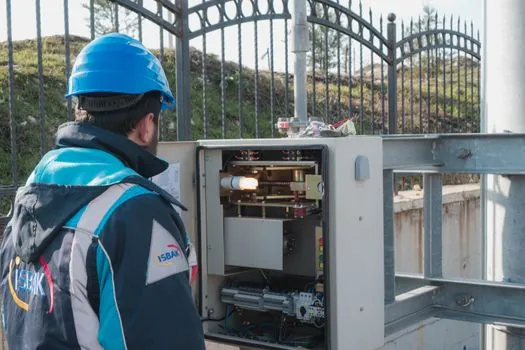
The replaceable element is easy to change [S1], but replacement is not a substitute for finding the cause of the operation.
Low-voltage, high-voltage, semiconductor and expulsion constructions serve different voltage, current and interruption demands, as reflected by the application classifications in the fuse range [S2].
Fuse protection does not provide undervoltage protection where that hazard exists [S1][S4]. The distribution cabinet or cable distribution cabinet containing the fuse must also permit safe access, correct replacement and inspection without compromising enclosure ratings.
Where Fuses Fit and Where They Do Not
Fuses suit applications needing inexpensive, compact and passive overcurrent protection, including household wiring, consumer electronics, electric vehicles, industrial equipment and selected power-grid applications [S2]. Their fast response and arc-extinguishing construction can disconnect a short circuit before greater damage develops [S1][S4].
They are poorly suited to installations requiring immediate reset, detailed fault-location information, remote status indication or uninterrupted operation after a transient event. They also require care where motor-starting or equipment-inrush currents could exceed the fuse's permitted time-current behavior [S1].
A practical specification should record the fuse family, current rating, voltage rating, breaking capacity, operating frequency, construction, mounting method and any required coordination. Switch-disconnector advantages, drawbacks and selection can then be evaluated as a separate isolation function rather than being confused with overcurrent interruption.
Track the operating record after every fuse event: element condition, replacement rating, circuit continuity and the confirmed cause of operation. These checks convert the device's low-cost simplicity into a defensible protection scheme without treating a single-use fuse as a reset protective system.
