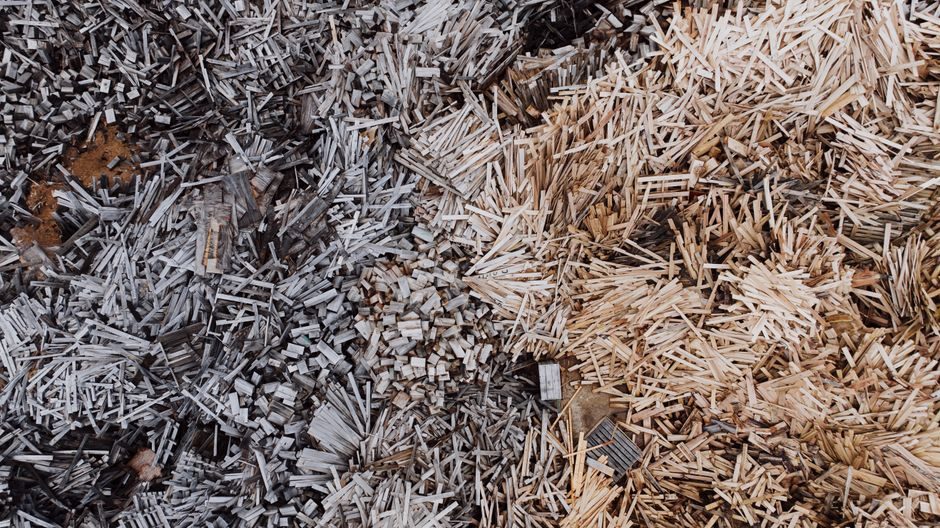
Steel fiber buying decisions are governed by four spec levers — material grade, geometry (length, diameter, aspect ratio), end-shape and ASTM A820 type — and the wrong combination of those levers is the most common cause of underperforming steel fiber reinforced concrete on industrial floors, shotcrete linings and refractory linings.
The Chinese refractory-steel-fiber supply chain (Melt-Extracted SS304/SS310/SS430/SS446 at 19-35mm length, 0.3-0.7mm diameter, melting point above 1500°C) sets the working range that any buyer should benchmark against [S2]. Geometry that drifts outside that window, or a flat-end straight fiber on a structural slab, is a spec mistake, not a price optimisation.
Material Grade: Carbon vs Stainless, and When Each Pays Back
Carbon steel fibers are the default for above-grade industrial floors, pavements and shotcrete where the matrix protects the fiber from corrosion; SS304/SS310/SS430/SS446 stainless grades are specified where corrosion, oxidation or sustained heat exposure is part of the service duty [S2][S6]. A 25-35mm length, 0.3-0.7mm diameter stainless fiber with melting point above 1500°C is the working envelope that refractory buyers should compare their quote against [S2].
Chinese practitioners have retired two legacy fiber types from current specifications: plain cut round steel wire fibers (poor matrix bond) and melt-extracted carbon-steel fibers whose oxide skin from high-temperature cooling reduces bond strength [S6]. Both are still offered in commodity catalogues, so a buyer must reject them on spec, not on price.
Geometry: Aspect Ratio, Length and Diameter Windows
Aspect ratio (length divided by diameter) is the single most quoted number on a steel-fiber datasheet, and it sits in a practical working range of 30-100 for structural and refractory uses; values below 30 deliver poor crack-bridging, above 100 the fibers ball in the mixer and pump [S6]. The standard commodity cut is 19mm, 25mm or 35mm long with 0.3-0.7mm diameter, matching the SS310 melt-extracted product line [S2].
The same Chinese engineering guidance flags a fundamental trade-off: short, thick, low-aspect-ratio fibers at low dosage give the best workability of the wet mix, while long, thin, high-aspect-ratio fibers at high dosage give the best strength and toughness of the hardened concrete fiber composite [S6]. A pumpable mix therefore almost always picks the lower end of the aspect-ratio window.
End Shape and Surface: Why Hooked-End Has Won the Spec
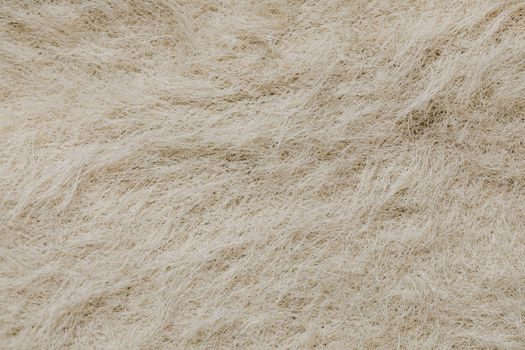
End shape is the second lever, and Chinese engineering guidance lists four acceptable families: high-strength cut-wire with hooked ends, milled ingot with a hooked end and one rough face, sheared deformed (hooked, large-head, indented), and low-alloy melt-extracted (straight or large-head) [S6]. All four pull better than the legacy straight or wavy cut fibers, which bond only through surface irregularity rather than mechanical anchorage.
Twisted and wavy low-carbon-steel fibers are still permitted because their irregular surface bonds to the matrix and they cost less to produce; however, once the matrix cracks the twist or wave tends to straighten out, so their toughening effect is close to a straight fiber of the same dosage unless the steel itself is high-strength and high-stiffness [S6]. For pavements and shotcrete where ductility matters, hooked-end or indented-end deformed fibers are the right call.
ASTM A820 Classification: the Common Spec Anchor
The cross-border spec anchor for steel fiber is ASTM A820, which classifies steel fiber by type and ties the datasheet to a standardised test method; Chinese commodity listings for SS304/SS310/SS430/SS446 melt-extracted refractory fiber explicitly cite ASTM A820 on the product card [S2]. For a buyer writing a purchase order, requiring ASTM A820 conformance is the single line item that filters the longest tail of unclassified, off-spec fiber.
For comparison with non-metallic reinforcement, fiberglass rebar (GFRP) and steel rebar serve very different duties: GFRP is non-corrosive and lighter, supplied in standard diameters and lengths for concrete reinforcement where steel would corrode, and its composites are increasingly specified as an alternative reinforcement family [S3]. Steel fiber is not a rebar substitute; it is a discrete, short, high-aspect-ratio reinforcement dosed by mass or volume into the concrete matrix.
Application Matrix: Floors, Shotcrete, Refractory, Precast
Selection by application is the most reliable way to lock the four levers: industrial floors and pavements — hooked-end carbon steel at 30-50 aspect ratio, 25-35mm length, 20-40 kg/m³ dosage; shotcrete and tunnel linings — same hooked-end geometry but typically 30-40 kg/m³ dosage for toughness; refractory linings in furnaces and kilns — SS310 or SS430 melt-extracted at 19-25mm length, 0.3-0.7mm diameter, melting point above 1500°C, ASTM A820 conformance [S2][S6]. Precast and high-strength structural elements often step up to high-strength cut-wire hooked-end fibers with higher aspect ratio.
A useful comparison frame: cut-wire hooked-end carbon steel fiber is the lowest-cost option with the best mechanical bond but corrodes if the matrix cracks; melt-extracted stainless (SS304/SS310) is roughly 4-8x the per-kg cost but tolerates refractory heat above 1500°C and aggressive chemical exposure [S2]. Crimped or wavy low-carbon steel is the budget middle — adequate bond, lower cost, but lower post-crack ductility than hooked-end [S6].
Who Steel Fiber Is For, and When to Walk Away
Steel fiber is the right reinforcement where crack control, impact resistance, fatigue life and post-crack ductility dominate the design — industrial slabs on grade, composite metal decks, shotcrete tunnel linings, refractory linings, and precast elements subject to handling stresses. It is the wrong reinforcement where the duty is primary tensile reinforcement in a beam or column (that is rebar, or fiberglass rebar in corrosive duty [S3]) and where the matrix is so thin that fibers will protrude at the surface.
For buyers comparing reinforcement strategies, steel pipe vs steel strand function and spec frames follow a similar lever-and-duty logic: pick the family by service environment, then lock geometry and grade inside that family. A fiber selection that ignores the duty and buys on per-kg price is a known failure mode; a fiber selection that locks ASTM A820 conformance, end-shape, aspect-ratio window and material grade to the application is a known working envelope.
Verification, Sourcing and Common Defects to Reject
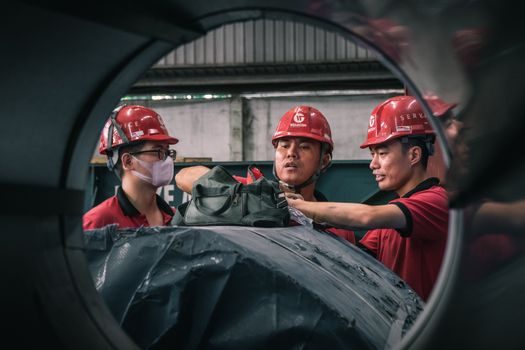
Standard verification on receipt is a 1-2 kg sample sent to a national testing agency for tensile strength, length distribution, diameter and aspect ratio checks, matched to the ASTM A820 type and the order's spec sheet; Chinese suppliers of refractory steel fiber commonly commission such third-party inspection on a regular basis or per buyer's request [S2]. A factory audit, OEM/ODM capability check and ISO 9001:2015 quality-management certification are the baseline filters on any candidate mill [S5].
Two common defects to reject on spec: surface oxide scale on melt-extracted carbon-steel fiber (reduces bond strength and is a reason the type has been delisted from current Chinese guidance) [S6], and mixed-aspect-ratio lots that have not been screened after cutting. For refractory duty, request the actual melting-point test value (above 1500°C for SS310) rather than a generic "heat-resistant" label [S2]. For structural and shotcrete duty, request the hooked-end or indented-end shape explicitly, not "deformed" or "irregular" as a catch-all.
Trackable signal to watch: ASTM A820 type certification, hooked-end geometry, 30-100 aspect-ratio window, and matching SS grade or carbon-steel grade to the matrix — these are the four line items that will land a steel fiber order inside its working envelope on the next delivery.