The hydrogen fuel cell value chain runs from hydrogen production (grey/blue/green pathways) through storage, transport and refueling infrastructure into the fuel cell stack subsystem — membrane electrode assembly, bipolar plates, catalyst, gas diffusion layer — and downstream into heavy-duty trucks, buses, port tractors, rail, marine, aviation and stationary power [S1][S3].
As of June 2026, the U.S. Department of Energy's Hydrogen and Fuel Cell Technologies Office (hydrogenandfuelcells.energy.gov) and Sweden-based PowerCell Group remain active nodes aggregating suppliers, technology roadmaps and deployment programs across this chain [S1][S5]. Downstream operating fleets documented in 2025-2026 include hydrogen-powered port tractors in Zhangjiagang (Jiangsu) and hydrogen-fueled urban buses on regular routes in the same city [S2].
Upstream layer 1: hydrogen production, storage and dispensing
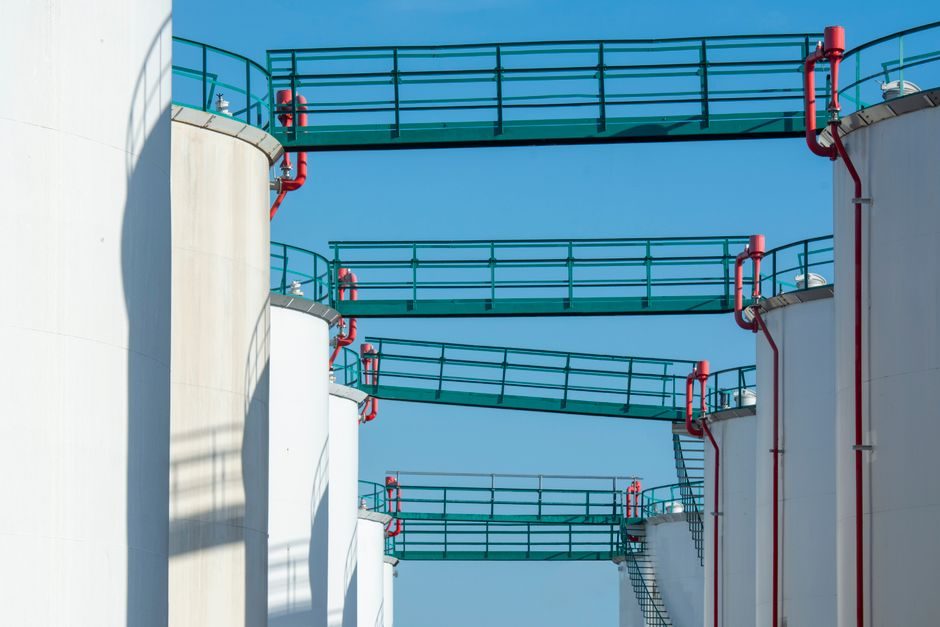
Upstream begins with hydrogen production pathways — grey from SMR (steam methane reforming), blue with carbon capture, and green via water electrolysis using renewable electricity [S3]. Zhangjiagang has built what local coverage describes as a comprehensive hydrogen industry ecosystem covering production, storage, transportation and application, anchored on the city's existing manufacturing base in eastern China's Jiangsu province [S2].
Storage and transport modalities include compressed gaseous H2 (typically 350 bar and 700 bar for vehicle refueling), liquid H2 for bulk logistics, and emerging pipeline blending. Refueling station count and per-station capex remain the gating metric for downstream fleet expansion; the People's Daily report frames Zhangjiagang's refueling station as the visible interface between upstream gas supply and downstream vehicles [S2]. Instrumentation across this layer leans heavily on pressure transmitters for cylinder and pipeline monitoring and on flow meters for fueling-dispenser mass-flow custody transfer.
Upstream layer 2: stack component supply — MEA, bipolar plates, catalyst, GDL
The fuel cell stack subsystem depends on four critical sub-supplies: the membrane electrode assembly (proton exchange membrane plus catalyst layers), bipolar plates (metallic or composite), the platinum-group-metal catalyst, and the gas diffusion layer [S3]. China, the United States, Germany, South Korea and Canada are identified as the mainstream national clusters that have begun focused construction and supporting programs for hydrogen fuel cell vehicles [S3].
The catalyst sub-layer is the highest-cost, highest-supply-risk node because platinum-group-metal loading and sourcing concentration set both unit cost and geopolitical exposure. Component-tier sourcing and the current Q2-2026 bottleneck map are covered in Hydrogen Fuel Cell Supply Chain 2026: Catalyst, Plate, Membrane Bottlenecks. PowerCell Group positions fuel cell stacks and full systems as its core product line, with segment pages covering aviation, marine, power generation, rail, off-road and on-road applications as of 23 June 2026 [S5].
Midstream integration: stack-to-system assembly and BoP
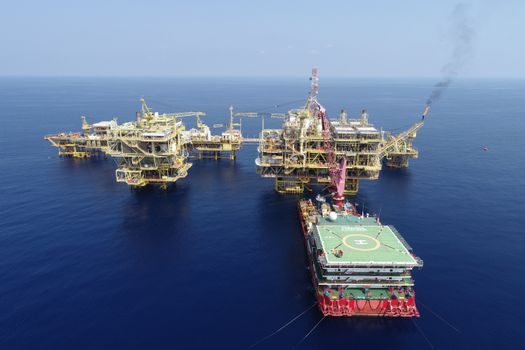
Midstream integration turns stacks into shippable systems by adding the balance-of-plant: air compressor, humidifier, hydrogen recirculation blower, thermal management loop, DC-DC converter, and the control / communication electronics. The Songyuan City (Jilin) heavy-duty truck industrialization project — published 23 March 2025 on the Jilin provincial government investment portal — describes hydrogen fuel cell heavy-duty trucks as generating electricity from the hydrogen-oxygen chemical reaction in the stack to directly drive an electric motor, citing zero emissions, long cruising range, and fast refueling as the headline advantages [S4].
From a process-engineering standpoint, the midstream layer is where industrial valves for hydrogen isolation and load cells for onboard cylinder mass monitoring get specified at high unit volumes, and where integration margins — not raw stack power density — decide commercial viability for fleet operators [S1][S4].
Downstream layer 1: heavy-duty mobility — trucks, buses, port tractors
Heavy-duty on-road use is the most visible downstream segment. Songyuan's industrialization project targets hydrogen fuel cell heavy-duty trucks as its primary product introduction, with the value proposition framed around long range and fast refueling relative to battery-electric alternatives in the heavy class [S4]. Zhangjiagang's reported deployments include hydrogen-powered tractors in port operations and hydrogen-fueled buses across urban road networks, providing a live reference for terminal-yard duty cycles and transit-route duty cycles [S2].
U.S. industry-economic framing from the Fuel Cell and Hydrogen Energy Association (April 2021) cited a McKinsey report projecting that, by 2050, the U.S. hydrogen industry could generate roughly $750 billion per year in revenue and support about 3.4 million jobs — a long-horizon figure (2021) that still anchors policy advocacy downstream [S6].
Downstream layer 2: rail, marine, aviation and stationary power
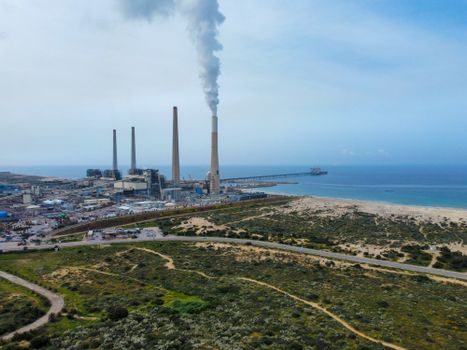
Beyond road, PowerCell Group's segment list (aviation, marine, power generation, rail, off-road, on-road) is a clean enumeration of the downstream mobility and stationary grid: aviation fuel cell systems target regional aircraft auxiliary and primary propulsion demonstrators; marine covers harbor and short-sea vessels where emissions regulation is tightening; rail addresses non-electrified branch lines; off-road covers construction and mining equipment; on-road covers the heavy truck / bus segment discussed above; stationary power generation covers backup and prime power [S5].
The business-to-business Hydrogen Fuel Cell Nexus directory continues to operate as a U.S.-facing supplier registry for the chain, useful for cross-referencing component vendors against segment needs.
Selection criteria — who the hydrogen value chain is for, and who it is not
Comparing the main downstream end-uses against four decision criteria (range requirement, duty-cycle load, refueling access, emissions mandate pressure) gives a defensible filter. Heavy-duty trucks, port tractors and intercity buses score high on all four — they have the range and load profile that justifies hydrogen over battery, and they operate in depots where a single refueling station serves a captive fleet [S2][S4]. Urban delivery vans with predictable short routes typically do not justify the hydrogen path. Marine and rail score high on emissions-mandate pressure and range, but adoption is paced by the long qualification cycles of those vehicle classes. Stationary power generation is for sites needing long-duration backup or off-grid prime power where diesel displacement is the goal.
Selection at the stack-component tier comes down to power density, platinum-group-metal loading, durability in hours, and operating temperature envelope. Fleet operators evaluating integration should weight total cost of ownership over 10+ years, refueling infrastructure capex, and the residual value of the electric drivetrain — not the headline stack kW figure.
Limitations, sourcing risk and trackable signals
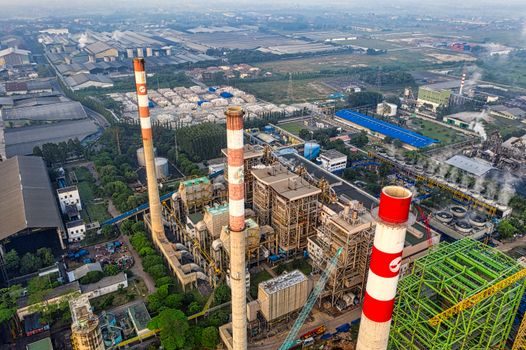
The chain is supply-concentrated at two nodes: green hydrogen production (depends on low-cost renewable electricity) and platinum-group-metal catalyst (geographic concentration in South Africa and Russia). Hydrogen-specific codes and standards (such as SAE J2600 series for fueling connectors and the ISO 19880 series for hydrogen refueling stations) are not enumerated in the supplied research and should be confirmed directly against current revisions before procurement [S1].
Trackable signals to watch: (1) updates to the U.S. DOE Hydrogen and Fuel Cell Technologies Office program announcements on hydrogenandfuelcells.energy.gov [S1]; (2) PowerCell Group press releases and financial calendar entries that disclose stack production volumes and segment orders [S5]; (3) expansion of hydrogen refueling station counts in Zhangjiagang-style industrial-port cities, since station-per-fleet ratio is the leading indicator of downstream scale-up [S2].