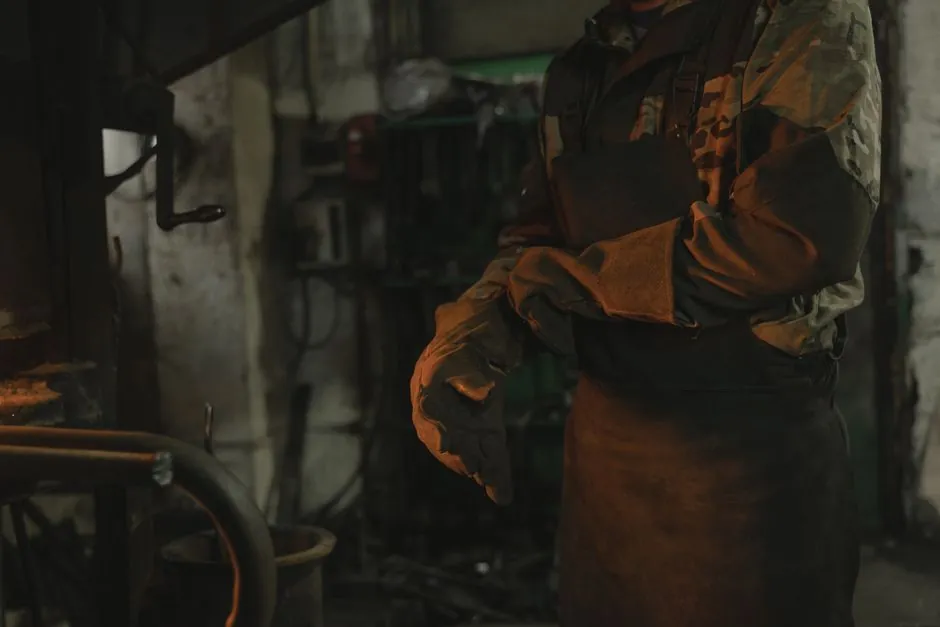
Medium-frequency and IGBT induction melting furnaces in the 100 kg to 40 t capacity band, with 80 kW heating heads and 120 kVA forging-class power supplies, defined the bulk of 2026 manufacturer offerings catalogued on Made-in-China.com [S1][S3][S4][S5].
Buyers specifying an induction furnace for energy equipment are typically evaluating a 0.1 to 40 t class melting unit or a 30 to 500 kW heating head, where the live decision variables are inverter topology (SCR vs IGBT), shell material (steel vs aluminium), charge material (steel, iron, copper, aluminium, brass), and CE / 2006/42/EC compliance documentation [S2][S3][S5].
Inverter topology and frequency class: SCR vs IGBT
SCR parallel-resonant medium-frequency furnaces running 1 to 20 kHz are the most common topology in the catalogued 2026 product line, with "one power supply feeding two furnaces" (one-to-two) SCR configurations explicitly advertised on Chinese OEM pages [S6]. Series-inverter "new energy-saving" intermediate-frequency supplies sit in the same frequency class, aimed at steel and iron melting and sold alongside the SCR family [S6].
IGBT induction melting furnaces, listed as a 20+ year R&D category at Luoyang Shennai, cover steel, stainless steel, copper, aluminium, gold, and silver, and dominate the higher-mix, smaller-bath segment where melt-to-melt changeover frequency matters [S2]. Frequency class is not a marketing choice: medium frequency (roughly 1 to 10 kHz) is the workhorse for ferrous melting from 100 kg to 40 t, while high-frequency units (above 30 kHz, often 30 to 100 kW heads) are reserved for surface heating, annealing, and brazing, not bulk melting [S1][S3][S4].
Capacity, power and shell configuration: the 100 kg to 40 t envelope
Catalogued 2026 induction furnace capacity starts at 100 kg bench-top units and tops out at 40 t industrial melting furnaces, with 500 kg, 1 t, 2 t, 3 t, and 5 t as the most heavily populated SKUs [S3][S5][S8]. Power class for melting units runs 80 kW for the smallest heat-only heads up to 120 kVA for forging/tempering equipment and into the multi-hundred-kVA range for 1 t-plus melting [S1][S4].
Shell configuration is a buyer-spec decision, not a vendor preference: steel-shell furnaces are the default for iron and steel melting above 1 t, while aluminium-shell furnaces dominate the 100 kg to 500 kg copper and aluminium segment because the lighter shell aids tilt-pour ergonomics and reduces no-load losses [S2][S8]. Dual-voltage, tilt-pour, and reducer-driven tilting mechanisms appear on the 250 kg to 3 t SKUs from Shennai, with the same OEM offering matching ingot-casting and continuous-casting lines downstream of the furnace [S2][S8].
Compliance and certification: 2006/42/EC as the entry ticket
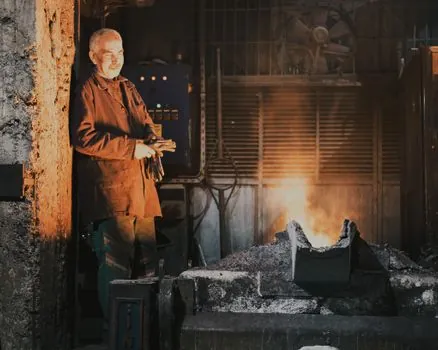
2006/42/EC (the EU Machinery Directive) is the dominant compliance mark advertised on 2026 Chinese induction-furnace listings, appearing on both mid-frequency melting units and forging/tempering equipment [S3][S4][S5]. CE marking follows the same path and is the most common second-line declaration on the same units [S4]. ISO approval appears on the aluminium-shell and copper-melting SKUs alongside the 2006/42/EC declaration [S8].
For energy-equipment end users exporting into the EU, the practical reading is: a 2006/42/EC declaration of conformity is the table-stakes document, and a Declaration of Incorporation (for partly completed machinery) is what the integrator keeps on file when the furnace is delivered as part of a larger casting or rolling line [S3][S5][S8]. A spec sheet that does not name the directive and the issuing year, and that does not name a notified body for any high-voltage safety function, is incomplete.
Matching the furnace to the charge material and process duty
Steel and iron foundries pair medium-frequency SCR or IGBT furnaces in the 500 kg to 5 t class with silica or alumina-based refractories; copper and brass shops typically run aluminium-shell 100 kg to 2 t units with acid or neutral linings; aluminium recyclers use 1 t to 3 t tilting furnaces feeding directly into ingot-casting lines [S2][S3][S8]. Precious-metal refiners (gold, silver) fall into the 50 kg to 250 kg IGBT class, where melt purity and stir-effect control matter more than throughput [S2].
Heating-only applications, i.e. forging, hardening, tempering, annealing, brazing, and quench pre-heat, are not the same product line as a melting furnace: they are 30 to 500 kW high-frequency heads (often quoted at 80 kW per station) feeding a coil-and-quench or coil-and-die workstation, and they should be sourced against different selection criteria, primarily coil geometry, station cycle time, and quench integration [S1][S4]. The most common engineering mistake is treating an 80 kW heating head as if it were an 80 kW melting supply: the head does not include the bus bars, capacitor bank, and cooling that a melting furnace needs, and the energy management bill of materials differs by a factor of three to five.
Pricing band, MOQ, and lead-time signals from 2026 catalogs
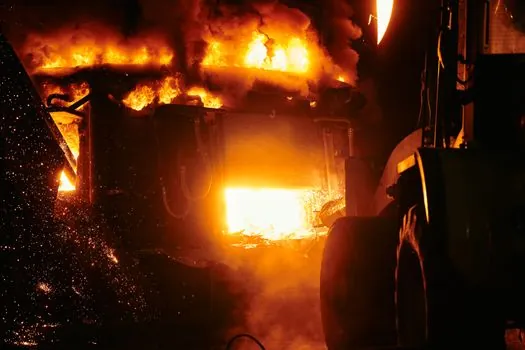
Quoted 2026 price bands on Made-in-China.com run from roughly US$1,000 per piece for 80 kW ultrahigh-frequency heating heads, US$1,750 to US$67,000 per set for 100 kg to 3 t aluminium-shell melting units, up to US$8,800 to US$180,000 per set for 500 kg to 40 t medium-frequency industrial melting furnaces, and US$11,900 to US$26,000 per set for induction annealing equipment [S1][S3][S5][S8]. MOQ is consistently 1 set or 1 piece across the catalog, which simplifies first-unit qualification but says nothing about tier-1 volume pricing [S1][S3][S4][S5][S8].
Lead-time signals are not published on these listings, but a practical inference is to budget 30 to 60 days for a 500 kg to 2 t aluminium-shell IGBT unit ex-works China, and 60 to 120 days for a 5 t-plus SCR melting furnace with full 2006/42/EC documentation, based on the engineering content of the configuration rather than any stated term [S3][S5]. Buyers should also account for refractory dry-out and commissioning: a 2 t furnace dry-out cycle is typically a 24 to 48 hour staged heat-up that must be scheduled before the first pour.
Side-by-side selection matrix: which furnace for which duty
For a 100 kg to 500 kg copper or aluminium shop, the IGBT aluminium-shell tilting furnace at US$1,750 to US$67,000 is the typical pick, with 2006/42/EC compliance and ISO approval as the documented baseline [S2][S5][S8]. For a 500 kg to 5 t iron or steel foundry, the SCR series-inverter medium-frequency furnace with a steel shell and one-to-two power sharing is the dominant 2026 OEM offering, with 2006/42/EC compliance on the higher-end SKUs [S3][S6]. For a 5 t to 40 t heavy foundry, the medium-frequency industrial melting furnace at US$8,800 to US$180,000 is the only catalogued class, and the buyer should treat anything under US$15,000 in that band as a sub-spec quote that warrants technical re-check [S3].
For forging, tempering, and surface-hardening, the 80 kW to 120 kVA heating-class induction supply at US$1,000 per piece is the catalogued entry, but the realistic spec is coil geometry plus quench integration, not the kW figure alone [S1][S4]. This split, i.e. melting furnace selection gated on kg, kVA, and refractory, versus heating-head selection gated on kW, coil, and cycle, is the same decision a process engineer would make for an energy meter or lighting equipment line, where the rated kVA is a starting point, not a verdict.
Failure modes and integration constraints to spec against
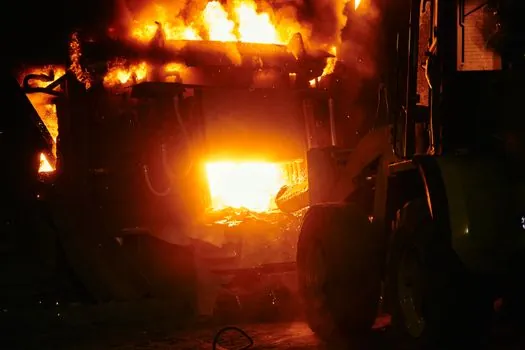
Cooling-water quality and flow rate are the single most common cause of premature inverter failure on medium-frequency induction furnaces; a spec that omits inlet temperature, differential pressure, and water conductivity is incomplete regardless of how clean the 2006/42/EC file is. Refractory life on the 100 kg to 500 kg aluminium-shell segment is typically 200 to 400 heats for acid linings on copper, dropping to 80 to 150 heats on aggressive brass charges, which means the induction furnace selection should be paired with a refractory-spend model, not just a capital-cost model [S2].
Power-quality interaction is the second failure mode: a 1 t-plus SCR or IGBT melting furnace presents a non-linear load, and on weak-grid sites the harmonic distortion can trip upstream protection. Specifying the rectifier, the harmonic filter, and the power-factor correction as part of the furnace package, rather than as an afterthought, is the standard 2026 procurement practice for buyers integrating the unit into a casting or rolling line, and it is the same energy management discipline that governs NDT equipment and anti-static equipment on the same plant electrical bus.
Trackable signals for the next 90 days: a fresh 2006/42/EC declaration timestamp from the chosen OEM, a published kWh/ton melt-rate curve at the rated kVA, and a confirmed water-conductivity specification (typically below 200 µS/cm) are the three documents that convert a price quote into a procurement-ready package. For related process-engineering context on how an induction line slots into a wider plant, see the 2026 spec walkthrough on induction furnace selection for lighting fixtures, which covers the smaller-capacity end of the same equipment family.