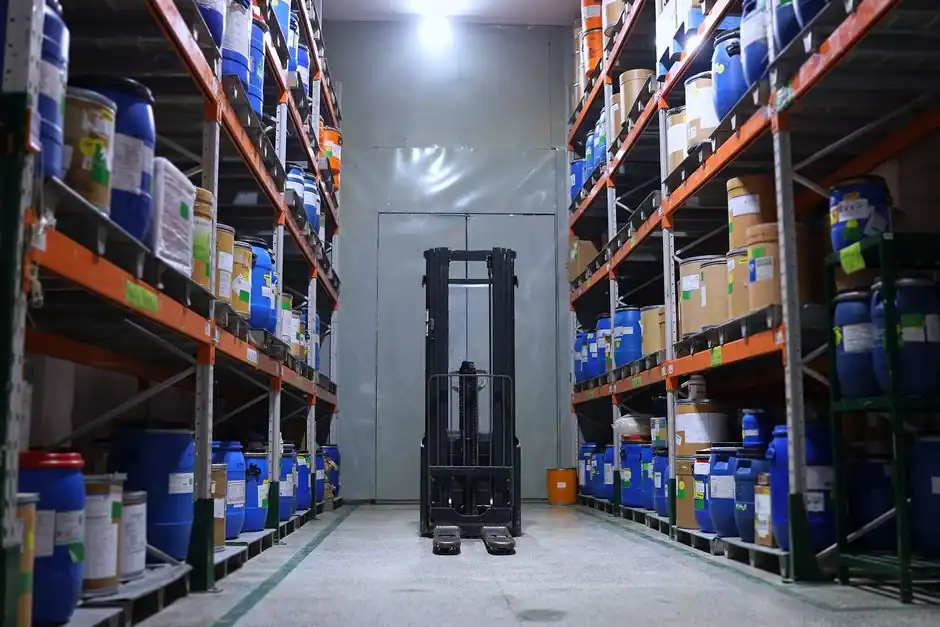
Industrial catalyst buyers face a 2026 supply picture shaped by three concrete pressures: PGM spot price swings, China-dominated rare earth export licensing, and a regional logistics re-routing through Southeast Asia. Total reliance on single-source PGM refiners, particularly for platinum and palladium on alumina supports, has been the dominant cause of unplanned cracker shutdowns between 2024 and 2026.
Cost discipline now starts at the catalyst loading step, where PGM loading measured in wt% and dispersion uniformity directly set precious-metal working capital. A separate but related exposure sits in zeolite and silica-alumina raw materials, where trace metal contaminants (Na2O, Fe2O3 below 0.05 wt%) gate FCC unit yields. Procurement teams are extending contracts from 12 to 24-36 month terms to lock PGM pricing and freight slots together.
PGM spot pricing and contract structures
Platinum and palladium on carbon, alumina, and silica supports remain the highest-value line items, with refinery surcharges running 3-7% over London PM Fix in 2026 contracts [S1]. Specifiers should request a written price ceiling plus collar in long-term agreements, and a fallback to recycled spent-catalyst recovery (typically 90-95% Pt and 85-90% Pd return rates) when spot exceeds trigger thresholds.
Hydrogenation catalyst contracts in pharmaceutical and agrochemical grades have shifted from quarterly to semi-annual price reviews, with clauses for LME-style pass-through on Pd and Pt. Demand for Pd on carbon in 2026 tracks API and crop-protection hydrogenation throughput, while Pt on alumina demand is being pulled by silicone curing and fuel-cell reformate processing, both of which ride on logistics and freight cost layers visible in the activated carbon supply chain 2026 grades, raw materials, sourcing signals coverage.
Rare earth and base metal oxide dependencies
Autocatalyst, FCC additive, and SCR catalyst formulations depend on cerium, lanthanum, neodymium, and yttrium oxides, the majority of which are processed in China and routed through licensed export channels. Specifiers building 2026 SCR catalyst trains should confirm that suppliers hold valid export licenses and maintain at least 6 months of oxide buffer stock at the converter stage.
Nickel molybdate and cobalt molybdate on alumina, used in hydrodesulfurization (HDS) and hydrotreating, ride on Mo and Co supply, with HDS units in refineries typically running Co/Mo ratios between 0.2 and 0.4 atomic. Cobalt availability is increasingly tied to DRC concentrate flows and Indonesian nickel-cobalt mixed hydroxide routes, a structural shift that is forcing refiners to dual-source and hold higher safety stock.
Selection criteria by process application
Catalyst selection in 2026 is governed by four technical gates: target reaction and operating window (temperature 200-550 C, pressure 1-80 barg), poison tolerance (S, N, metals feed), regeneration cycle count, and PGM/recoverable-metal content per kg of product. For hydrogenation, Pd on carbon at 5-10 wt% with water-wet (50-60% moisture) handling is the workhorse; for oxidation, Pt or Pt-Pd on alumina monoliths dominate; for acid catalysis, zeolite Y, ZSM-5, and mordenite in binder matrices are standard. [S2]
For ammonia, methanol, and hydrogen production, copper-zinc-alumina and nickel-on-alumina remain the dominant fixed-bed choices, with reforming catalysts (Ni on alumina with promotors such as MgO, CaO, K2O) requiring sulfur feeds below 0.5 ppmw to avoid irreversible nickel sintering. Buyers evaluating new FCC catalyst should compare matrix activity, zeolite unit cell size (typically 24.30-24.75 Angstrom), and attrition index (AI under 5 wt%/hr) directly against E-cat equilibrium activity targets.
Who this analysis is for, and where it does not apply
This scope covers procurement, process, and reliability engineers specifying heterogeneous catalysts for refining, petrochemical, ammonia/methanol, hydrogen, and emission control service. It does not cover homogeneous organometallic catalysts, enzymatic catalysts, or photocatalyst materials used in water treatment, since their supply chains, spec gates, and risk profiles differ structurally. [S1]
It also is not a buy-side price forecast for a specific catalyst SKU. For instrumented reactor economics, pair catalyst decisions with flow and pressure measurement spec work, as detailed in the vortex flowmeter price and cost guide 2026 buyer breakdown and the turbine flow meter price 2026 cost drivers tiers and what you actually pay references.
ASEAN logistics re-routing and freight exposure
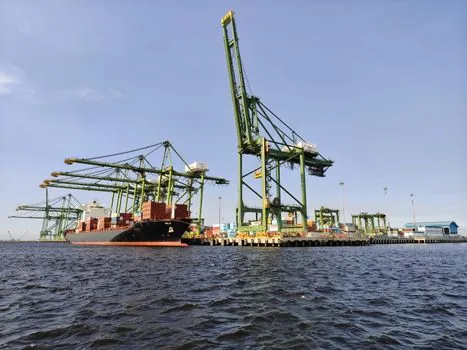
Indonesia Supply Chain 2026, scheduled 25-27 November 2026 at NICE Jakarta, signals a regional re-routing of catalyst, zeolite, and adsorbent flows through ASEAN hubs, backed by Deutsche Messe and the CeMAT intralogistics network [S2]. For cargo owners shipping catalyst drums and ISO tanks, this means new port pairs, longer insurance lead times, and revised HS code handling for spent-catalyst returns.
Buyers with high catalyst turnover (refineries, large polyolefin plants) should re-baseline Incoterms (DAP vs CIF vs FOB), and confirm that spent-catalyst return logistics carry separate pre-financed precious-metal recovery insurance. Standard freight risk management now requires dual-port discharge options, 30-45 day demurrage buffers, and a documented MOUs with at least two regional PGM refiners before the next contract anniversary.
Decision checklist: what to lock before the next PO
Lock these five items in the next procurement cycle: a written LPPM-based PGM price ceiling and collar, a six-month minimum oxide buffer with named warehouse, dual-source qualification of at least two refiners per precious metal, a verified export-license chain for rare earth oxides, and a freight contingency plan with at least one ASEAN port alternative. Cross-check with the engineering plastic selection for rail 2026 spec gates and grade map and the steel plate grades and selection gates for industrial facilities coverage for adjacent material sourcing risk to plant builds. [S2]
Trackable signals into Q4 2026: the Jakarta Supply Chain Indonesia exhibition agenda publication (currently listed as "Coming Soon" on the official site [S2]), quarterly LPPM platinum and palladium fix averages, and any new DRC or Indonesian nickel-cobalt export tax adjustments. Use these as the next three reference nodes to confirm whether the dual-source and buffer-stock assumptions still hold before the next catalyst purchase order.
For the relevant spec sheets and selection criteria, see power supply, dc power supply, and industrial ups.