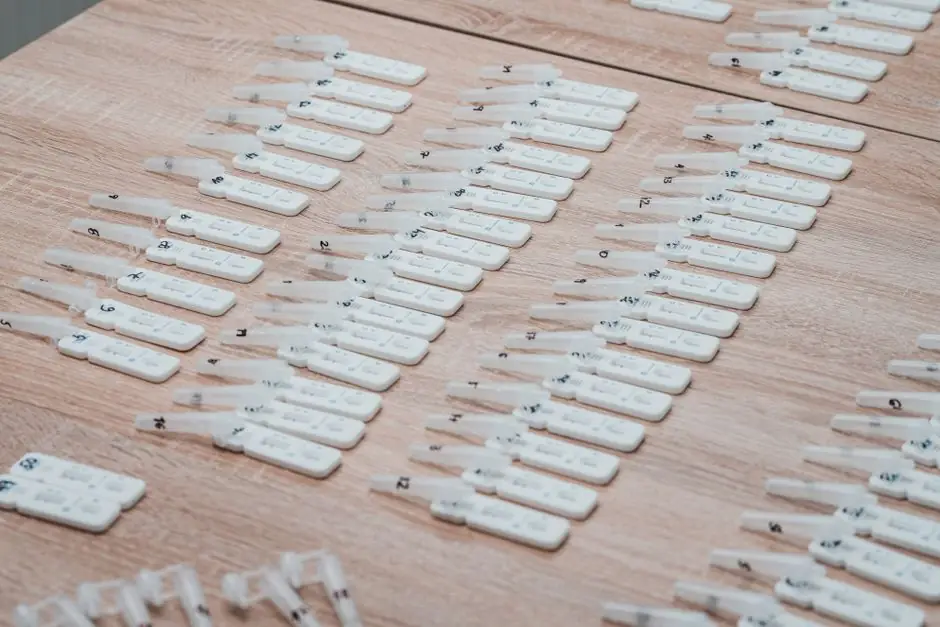
Online green sand testing systems measure compactability, moisture, permeability and green compression strength directly on the return-sand belt or at the moulding machine in 12 to 22 seconds per cycle, with closed-loop feedback adjusting water and bentonite addition [S6].
Versatile's V-CAT and Sinto's IDST are representative of a class of in-line digital sand testers positioned immediately before the moulding machine, sampling the same sand mass that enters the flask rather than grabbing a side-stream for off-line AFS tests 2220-00-S (compactability) and 2218-00-S (moisture, forced hot air) [S1][S2][S4].
What inline green sand testers actually measure
Four properties dominate any inline control loop: compactability (%), moisture (%), permeability (AFS number) and green compression strength (N/cm² or psi). The AFS Mold and Core Test Handbook numbers these as tests 2220-00-S (compactability, 3-ram method) and 2218-00S (moisture, forced hot air), both of which have been replicated by inline sensors for continuous use [S4].
A standard iron-foundry green sand mix is roughly 100 parts silica, 8 parts bentonite, 0.3 parts carbonaceous additive and about 3% water, and the mix is called "green" because mould strength comes from mechanical compaction, not chemical set [S1]. On that 8-bentonite mix, compactability index and moisture content track each other closely enough that compactability alone gives a fast proxy for water percentage [S1].
Inline testers wrap that correlation into a 12-22 second test cycle covering compactability, moisture, permeability and mould strength, with the V-CAT returning a complete dataset per sample rather than the 3-5 minute cycle of a manual 3-ram [S6].
Why the four-property set, and what each one catches
Albert Fontaine's category scheme groups green sand properties as: (1) strength (compression, shear, tensile), (2) mouldability (flowability, riddle density, compactibility, shatter index), and (3) permeability, with permeability correlating poorly against the other two [S1]. Each property maps to specific defects: low compactability cuts and washes, friable edges, cope downs, penetration and burn-on, while over-compactability drives oversized castings, blows, pinholes, gas and shakeout problems [S4].
Excess moisture produces an oxidising atmosphere in the mould and excess gas evolution; under-tempered sand fails to develop the plasticity needed for the clay bond [S4]. Hot-tensile and wet-tensile tests extend this picture into the pouring zone, where the bond has to survive the metal's thermal load [S1].
The list a sand technician cannot skip is therefore compactability, moisture, specimen weight, permeability, green compression, dry compression, methylene blue clay, with AFS or 25 µm clay, screen analysis, total combustibles (LOI), volatiles at 900°F (482°C), available bond, working bond and muller efficiency on a weekly cadence [S4].
Inline vs off-line: cycle time, sample location, control quality
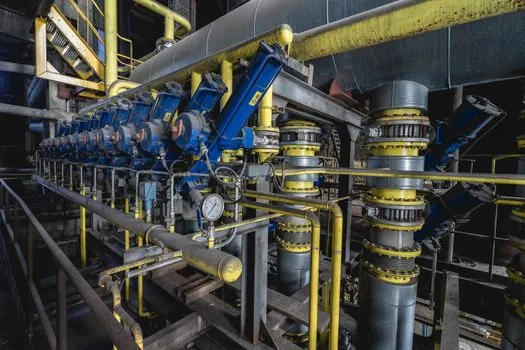
Off-line AFS tests give auditable lab data but a 3-5 minute per-test cycle on a small grab sample, while inline testers return results in 12-22 seconds from a sample drawn on the production belt [S4][S6]. The cycle-time gap matters because between the moment a hand-sampled specimen is taken and the lab answer arrives, the system can drift far enough to keep the manual programme reactive rather than proactive [S3].
Inline testers are positioned immediately before the moulding machine so the property values reflect sand that is about to enter the flask, not sand that sat in a return belt for the past hour [S2]. Foundries using inline multi-parameter testing report fewer blowholes and pinholes, which are directly traceable to wet/dry swings that a 4-hour lab cadence cannot catch [S3].
Limitations remain: inline sensors see compactability, moisture, permeability and compression strength well, but methylene blue (active clay), LOI, carbon content and volatiles at 900°F still need wet-chemistry or loss-on-ignition lab methods on a weekly cadence [S1][S4]. A blended programme, inline for the four fast properties, weekly lab for the slow chemistry, is the practical pattern in 2026.
Sensor technology and the control loop
Modern in-line sand testers combine a compaction test cell, an electrical or NIR moisture probe, a permeability pressure-decay channel and a load-cell compression rig into a single automatic station, with set-point feedback wired to the muller and water valve [S2][S6]. On Sinto's IDST, the sample is taken immediately before the moulding machine so that compactability, moisture and permeability close the loop on the next batch rather than the previous hour [S2].
AI and ML layers above the sensor stack are now used to predict compactability, moisture and strength from upstream variables, and to flag the slow-drift signatures of bentonite depletion before they show up as casting defects [S3][S5]. IIoT gateways push the per-cycle dataset into a historian, which is what makes the weekly methylene blue and LOI tests traceable to specific shifts and recipes instead of being an isolated number [S3].
For a complete foundry sand-cell layout including mixers, coolers and moulding lines, see the foundry line spec map; the inline tester sits between the sand cooler and the sand mixer return loop, sampling post-cooler and pre-moulding.
Operating limits: temperature, water, bentonite
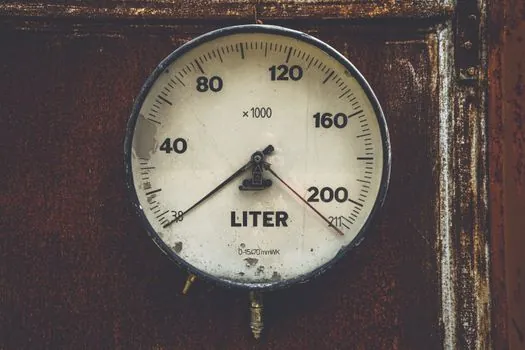
Sand temperature at the mixer outlet should stay below 120°F (49°C) to keep moisture and compactability in their working windows; above that level, evaporation and bentonite dehydration start to dominate and the inline compactability signal drifts off its setpoint [S1]. Water addition typically targets about 3% of mix weight, with the exact number set per bentonite grade and additive package, and must be held in a narrow range to avoid both the oxidising-mould excess-moisture failure and the dry-sand cuts/washes failure [S1][S4].
Aluminium foundries run a softer thermal regime than iron, so the same 3% water target is more forgiving, but the inline control pattern (compactability, moisture, permeability, compression) is unchanged [S1]. Weekly methylene blue and AFS 25 µm clay tests track the bentonite side of the budget, since compactability alone cannot distinguish "wet silica" from "well-bonded bentonite + water" [S4].
Inline sensors that report compactability, moisture, permeability, and mould strength with set-point feedback enable per-cycle control of green sand properties rather than reliance on hourly hand tests [S3][S6].
Who inline testing is for, and where it is overkill
Inline multi-parameter testing pays back in high-throughput iron and aluminium automotive foundries, where moulding-line speeds, scrap cost and metallurgical consistency all demand closed-loop sand control on a per-cycle basis [S3]. Job-shop iron foundries running short runs and frequent alloy changes benefit less, because the recipe churn defeats the closed-loop setpoint and the €150k-300k capital cost has a longer amortisation horizon [S3].
For very small non-ferrous shops pouring a few hundred kilograms per day, the original hand-feel plus weekly AFS chemistry programme is still defensible, provided the operators are trained to read compactability and moisture together rather than just one number [S1][S4].
Sand reclamation lines with active bentonite loss need the inline tester more, not less, because recycled sand changes its active-clay fraction faster than virgin sand; the broader reclamation control problem is covered in foundry sand reclamation automation, which complements the inline moulding-line test station on the same return loop [S3].
Implementation watch-points and 2026 signals
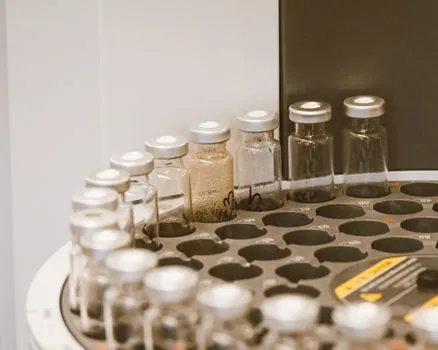
Two technical signals to track into the next 12 months: AI-driven compactability and strength prediction trained on per-cycle inline datasets, replacing today's recipe-table setpoints with model-recommended water and bentonite additions, and tighter integration of inline sand data with pouring and shakeout analytics so a wet-sand excursion is correlated to specific defect codes rather than only to compactability drift [S3]. A practical move for any foundry writing a 2027 capex list is to insist that the inline tester's data export be OPC-UA or MQTT-native, not a vendor-proprietary CSV, since this is what lets the per-cycle dataset feed the IIoT layer that justifies the rest of the spend [S3][S6].
Spec-level background on the components involved: tensile testing machine.