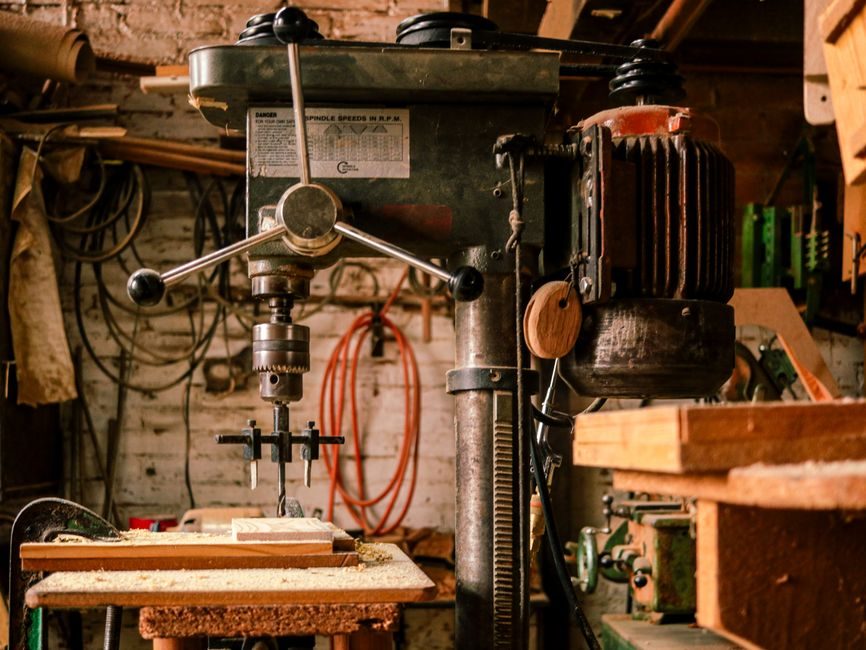
On a packaging line, a labeling machine applies adhesive or shrink sleeves to a product or carton, whereas a strapping machine tensions a plastic band around a packed bundle and heat-seals or buckles the joint — the two are sequential operations, not substitutes, and most integrated lines run both.
The 2026 China export market lists a flat-bottle high-speed plane labelling head at US$2,999–3,800 per piece and a tamper-evident double-side corner labelling machine for cosmetic and pharma cartons at US$5,900–6,500 per piece, while a dedicated grinding-wheel automatic round-bottle labeller from Dongguan Yidong Automation Equipment is quoted at US$6,150–6,500 FOB [S1][S2].
Core Function and Where Each Machine Sits on the Line
A labelling machine is positioned at the end of the fill-and-cap sequence and before case packing; the standard Chinese definition groups it with filling, capping and inkjet coders as "包装设备" (packaging equipment), and most export-grade suppliers list all four under one factory roof [S4][S5].
A strapping machine is a downstream unit that secures filled cartons, pallet loads or bundled parts using a continuous plastic strap; reference documentation describes the function as tightening strap against the package surface so goods do not loosen in transport or storage, with the joint formed by heat fusion or by a metal buckle. The strap itself — PP or PET — is a consumable and is covered separately under strapping band specs.
Spec Bands Pulled from Active China Export Listings (2026-05 to 2026-07)
Dongguan Yidong's automatic grinding-wheel labeller is listed as fully electric, automatic grade, with 1-piece MOQ, applicable across oil, tea, snack, rice, flour, dairy and diamond-ring industries — a breadth that signals modular label-dispenser heads rather than a single-format machine [S1].
Henan YZH Machine Co., Ltd's product line explicitly bundles "Strapping machine, Capping machine, Sealing machine, Ultrasonic Sealing Machine, Filling Machine, Inkjet Printer, Shrink Machine, and Labeling" under one factory, confirming that mid-tier Chinese vendors treat the two machine families as a single sales catalogue even though they solve different problems [S5]. Sammipack and Qingzhou Lutai Machinery list the same overlap, with Lutai additionally offering "trapping label machine and shrink label machine series" as distinct SKUs from a coding machine line that uses inkjet marking [S4][S6].
Selection Criteria: Output, Substrate and Tolerance
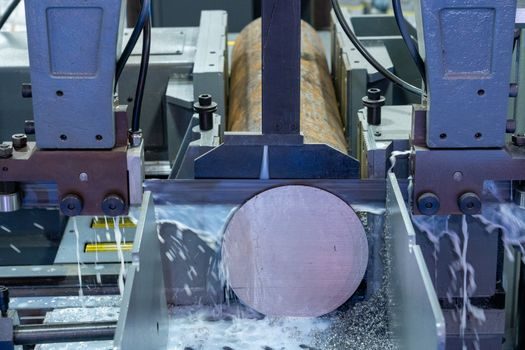
For a labelling machine, the four specs that decide a model are: container geometry (round, flat, corner, taper), label material (paper, clear BOPP, shrink sleeve), speed in bottles-per-minute, and accuracy in ±mm; the US$2,999–3,800 plane-labeller class is aimed at flat-bottle assembly lines, whereas the US$5,900–6,500 corner-labeller class adds servo-driven dual heads for tamper-evident carton sealing in cosmetic and pharmaceutical lines [S2].
For a strapping machine, the deciding specs are: strap width (typically 9–19 mm PP or PET), tension range (commonly 10–70 kgf on tabletop units, higher on pallet units), joint method (heat-seal vs buckle) and cycle time per strap. Reference guidance specifies that the strap must lie flat against the package surface to prevent loosening in transit — a hard geometric requirement that drives the choice of arch vs. horizontal-track vs. orbital-strap architectures.
Criteria-Based Comparison: Labeller vs Strapper
Decision-makers can line the two families against four common procurement criteria: purpose, primary consumable, downstream failure cost, and integration point. The labeller's purpose is product identification and regulatory marking, its consumable is label stock plus adhesive or shrink film, and failure costs include mislabel, recall and compliance exposure on food/pharma lines [S1][S2].
The strapper's purpose is mechanical containment of a multi-pack or pallet, its consumable is PP or PET strapping band, and failure costs include load shift, strap burst in transit, and damaged cartons. The two machines share an integration point — both sit between case-packing and palletising — but they do not replace each other, and most lines spec both. A cutting machine for strap tail trimming and a core machine for paper-core label supply sit alongside as auxiliary units, not substitutes.
Vendor Landscape and Cross-Selling Pattern
According to an Alibaba jar-labeling-machine supplier listing, one China-based supplier lists main products as Package Machinery, Filling Machinery, Capping Machinery, Labeling Machinery, Bag Packaging Machinery, and Cartoning Machinery, with total revenue of US$5 Million – US$10 Million and top three markets reported as Domestic Market 80.0%, Southeast Asia 7.0%, and Mid East 3.0% [S3].
Henan YZH, Sammipack and Qingzhou Lutai all export the same bundle: the strapper is not sold as a standalone hero SKU but as a complement to filling, capping and labelling. Buyers comparing a core machine line should expect the strapper quote to arrive in the same email thread as the labeller quote, and should negotiate the combined cycle time — not the per-machine price — when sizing a turnkey packaging cell [S4][S5][S6].
Who Needs Both vs Who Needs Only One
Buyers who need only a strapper are typically bulk-load operations — building materials, timber, corrugated bundlers, pallet-only warehouses — where the product is already sealed and branded before the strapper, and identification is via outer-case printing rather than a unit-level label. [S1]
Buyers who need only a labeller are typically small-format consumer goods — bottled water, cosmetics, pharmaceuticals, speciality food (oil, tea, snack, rice, flour) — where unit-level traceability is mandatory and the case is shipped in a printed corrugated tray that needs no band [S1]. Lines that ship through third-party logistics with mixed-SKU pallets almost always end up running both, and that is the configuration the China mid-tier OEM catalogue is engineered to quote [S3][S5].
Limits, Failure Modes and Sourcing Watch-outs
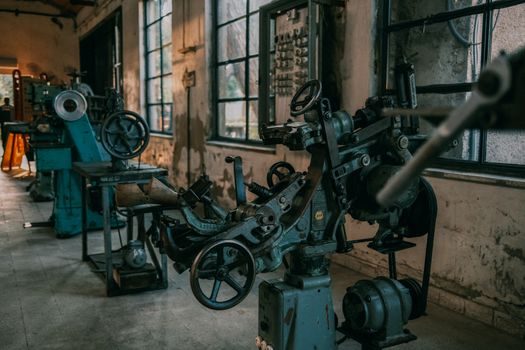
Labeller failure modes are dominated by label-web skew, missing-label detection gaps, and adhesive curing on hot-fill lines; a US$2,999–3,800 flat-bottle plane labeller typically lacks the vision system that a US$5,900–6,500 corner-labeller carries as standard, so pharma and cosmetic buyers should not down-spec on the vision subsystem to chase the lower price band [S2].
Strapper failure modes are dominated by joint quality on heat-seal heads (especially with PET at high tension), strap dust fouling the feed path, and tension relaxation on cold warehouse floors. The reference definition explicitly calls out that the strap must "紧贴于被捆扎包件表面" (lie tight against the package surface) — a tolerance that is only achievable with matched arch size and strap width. One practical sourcing watch-out: where the wider sourcing-cost analysis in Pneumatic Conveying System Cost 2026 applies, the same freight-and-band logic governs strapper OEM pricing, and buyers should expect strap-machine FOB to track steel and PP-resin index moves rather than the labeller's electronics index.
Trackable signals for the next sourcing window: revised FOB quotes from Anhui- and Henan-cluster labs after the 2026 Q3 resin-index print, and any new tamper-evident or vision-equipped labeller SKUs entering the US$5,900–6,500 corner-sealer band — both will reset the dual-machine spec comparison that 2026-07 export listings currently anchor on.