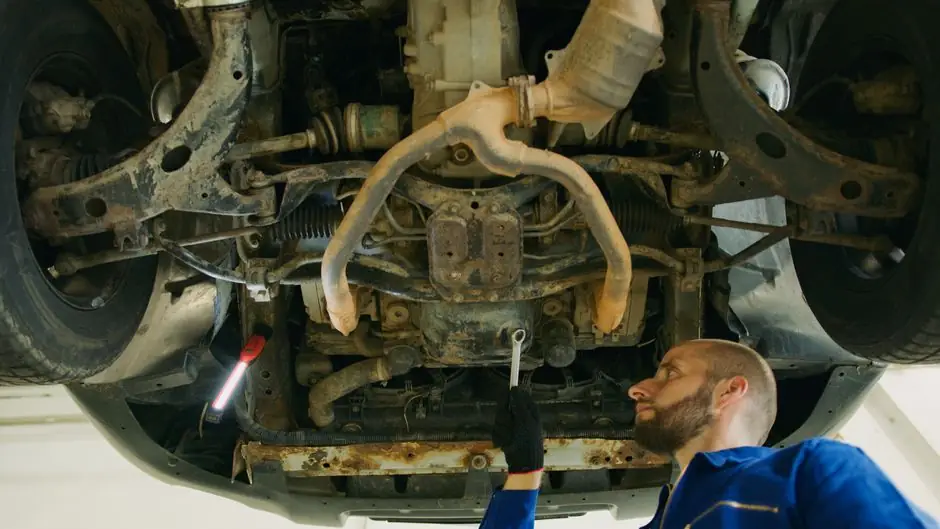
A lost foam casting line for automotive parts is sized around the part envelope, alloy window, and annual tonnage, with most production foundries running gray iron (HT200-HT300) and ductile iron (QT400-QT500) and an increasing share of aluminum castings on the same EPS pattern infrastructure [S1][S3].
Selection is dominated by four concrete parameters: weight range 0.5 kg to 500 kg per casting, dimensional tolerance IT9-IT12, surface finish Ra 3.2-12.5 μm as-cast, and minimum wall thickness around 3 mm, all of which are achieved with a clustered EPS pattern, refractory coating, dry unbonded sand, and a vacuum-assisted pour [S1][S2].
Process Envelope: Where Lost Foam Wins Against Sand and Investment
Lost foam casting, also called evaporative pattern casting or EPC, buries a one-piece expanded polystyrene (EPS) pattern in dry unbonded sand; the molten metal vaporizes the foam on contact and occupies the cavity it left, eliminating parting lines, sand cores, draft angles, and mold closing steps that sand casting still requires [S2][S3].
The economic sweet spot sits at medium-to-large complex parts, roughly 0.5 kg to several tons, where one-piece patterns and binder-free sand recover the higher EPS die tooling cost, and where sand casting's core assembly, draft, and parting line start to eat into yield and machining budgets [S2][S3]. Compared with investment (lost wax) casting, lost foam tolerates thicker walls and heavier section sizes, while investment casting still wins on the thinnest walls, the tightest tolerances, and alloys such as stainless steel and superalloys that react badly with vaporized foam residues [S5].
Selection Criteria: Material Matrix, Tolerance, and Sand System
Material compatibility is the first gate. Lost foam lines are widely used for gray iron, ductile iron, carbon steel, alloy steel, and aluminum, with iron and aluminum dominating automotive work; stainless steel and other high-temperature alloys are generally avoided because vaporized foam can cause carbon pickup and gas-related defects [S1][S2].
Three numerical criteria define whether a lost foam line is the right tool: dimensional tolerance IT9-IT12, as-cast surface finish Ra 3.2-12.5 μm, and minimum wall thickness around 3 mm, and all three are driven by EPS bead density, coating rheology, and sand compaction rather than by the metal pour itself [S1][S3]. The dry sand is unbonded, contains no moisture and no chemical additives, and is reported as roughly 98% recycled back into the process, which removes the traditional sand-preparation and waste-sand-treatment departments from the line layout [S2][S3].
For automotive work specifically, the production envelope most plants run against is 0.5-500 kg per part, monthly output in the low hundreds of tons, and a foam pattern tool that is CNC-machined to hold density and dimensional repeatability across long runs [S1][S6].
Line Layout: Equipment Stages from EPS Bead to Vacuum Pour
A complete lost foam casting system is a chain of five matched stages: EPS pre-expansion, foam pattern molding, optional EPS block molding for large patterns, pattern drying, and process vacuum, and each stage has a specific influence on the next [S4].
The EPS Pre Expander Machine sets the bead density that feeds the rest of the line; inconsistent density here shows up as inconsistent pattern strength and inconsistent casting weight, so a pre-expander with stable density control is the first item a serious automotive foundry locks down [S4]. The EPS Molding Machine is where dimensional accuracy and repeatability are actually generated, and for complex automotive components such as engine manifolds, cylinder heads, brake components, and transmission cases, this is the stage that determines whether the line can hold IT9-IT12 in production [S1][S4]. For larger parts, an EPS Block Molding Machine supplies large foam blocks that are then CNC-cut and assembled into the final pattern, which is the path Maumee Pattern has used for precision lost foam tooling since 1991 [S4][S6].
The pattern drying stage typically uses an air-source heat pump drying unit to drive refractory coating moisture out of the cluster before sand fill, and a central vacuum system holds the sand around the pattern during the pour so the cavity does not collapse as the foam vaporizes [S4]. Linked to the broader molding line decisions a foundry makes, this dry-sand, vacuum-assisted cell is what differentiates lost foam from any green-sand or chemically bonded system.
Automotive Use Cases: Engine, Brake, Transmission, and Pump Bodies
Lost foam components in the automotive sector cluster around four families: engine manifolds and cylinder heads, where complex internal passages and no parting lines drive the choice; brake components and knuckles, where near-net shape and consistent section thickness reduce machining; transmission cases and housings, where one-piece patterns replace multiple sand cores; and pump and valve bodies, where the same logic carries over from the engine bay [S1].
For ductile iron housings, Renyi Castings specifically highlights small and medium-size lost foam iron castings in pneumatic fittings, auto parts, and railway parts, using a clustered model tree poured as one piece, with a 2015 NQA / UKAS quality system and medium-frequency induction melting as the front end of the line [S3]. Aluminum versions of the same parts, including cylinder heads and transmission cases, are typically poured at lower temperatures, which is more forgiving on foam residue but tighter on hydrogen pickup and coating permeability [S1][S5].
Limitations: When Lost Foam Is the Wrong Tool
Lost foam is the wrong process in three common scenarios: low-volume or prototype work, where the single-use EPS pattern and the aluminum foam die tooling cost cannot be amortized; parts that require stainless steel or other high-temperature alloys, where vaporized foam can cause carbon pickup and gas defects; and very thin walls below roughly 3 mm, where pattern stiffness and coating behaviour stop being reliable [S1][S2].
Operationally, lost foam also requires tight control of pattern storage, coating drying, and vacuum integrity; a sloppy sand fill or a leaking flask vacuum will produce casting defects that look like sand casting defects but originate in the foam cluster, not in the metal [S2][S4]. Foundries running mixed portfolios typically keep a sand casting line for prototypes and small batches, and dedicate the lost foam line to the high-mix, medium-to-high volume automotive work where the EPS die cost is justified [S2].
Sourcing, Standards, and Supplier Selection
When sourcing a lost foam line, evaluate the supplier on integration capability, not on individual machine price; the EPS pre-expander, molding machine, drying unit, and vacuum system must be matched to the same density and dimensional spec, otherwise inconsistencies in foam bead density propagate into scrap downstream [S4].
For automotive buyers comparing two or more suppliers, a useful comparison frame is to score each vendor on four criteria: alloy and weight range, achievable tolerance and surface finish, sand recycling rate, and level of EPC project support beyond the equipment itself [S1][S3][S4]. The equipment chain itself, from EPS pre-expander through central vacuum, is closely related to the wider automatic molding line and conveyor sorting line decisions foundries make when they automate a new cell, and a serious supplier will walk through that layout before quoting a machine. For foam pattern tooling, vendor history matters: Maumee Pattern has been building precision CNC-machined lost foam tooling and assembly fixtures since 1991, which is a useful baseline when auditing a new tooling source [S6].
Trackable next signals: a foundry running lost foam for automotive parts should monitor (1) consistency of EPS bead density at the pre-expander, (2) scrap rate attributed to pattern collapse versus gas defects, and (3) sand return temperature and moisture at the recycled-sand hopper, since dry, unbonded sand is the core process variable that makes lost foam different from every other casting method on the shop floor [S2][S3][S4].
See also our earlier report, Platform Trolley Selection for Pharmaceutical Distribution: 316L, Ra and Load Spec Map.