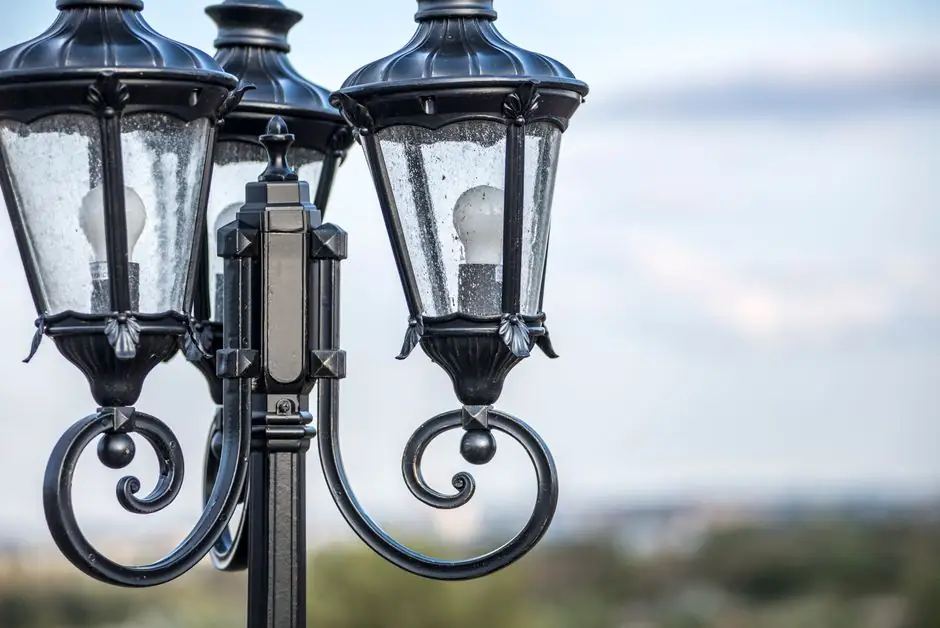
Static pressure molding machines apply clamped, uniform pressure across a sand flask or resin-filled cavity, producing lighting fixture housings and reflectors with consistent density and clean parting lines. Compared with jolt-squeeze or green-sand hand-ram methods, static pressure lines cut sand-related scrap and stabilize dimensional tolerance on thin-wall aluminum and brass lighting castings.
Lighting OEM buyers evaluating a static pressure molding machine for fixture bodies, lamp posts, and reflector shells should anchor the spec on four numbers: clamping force in kN, flask or table size in mm, shot weight or sand capacity in kg, and dry-cycle time in seconds. These four data points determine whether a line can keep up with downstream lighting equipment and electric lamps assembly without becoming the bottleneck.
Pressure Class, Flask Size, and Sand Capacity
Static pressure molding machines for the lighting industry typically fall into three pressure classes: light (≤ 600 kN clamping force, flask under 600 × 500 mm) for small reflectors and downlight housings; mid (600–1,500 kN, flask 800 × 600 to 1,000 × 800 mm) for streetlight and high-bay bodies; and heavy (> 1,500 kN, flask ≥ 1,200 × 1,000 mm) for large pole-base and tunnel-luminaire castings [S1].
Sand capacity per cycle ranges from roughly 15 kg on a light unit to 80–120 kg on a heavy flaskless line. For aluminum lighting castings with a typical pouring weight of 2–8 kg, the machine should be sized so that the compacted sand block weighs at least 4–6 times the pour weight, which is the usual mass ratio that avoids sand-mold deformation during metal fill [S1].
Air pressure supply to the squeezing head is the second-order driver: most static pressure lines run 0.5–0.7 MPa plant air, with intensifier-boosted hydraulic units reaching 8–14 MPa on the squeeze ram. Higher squeeze pressure (≥ 10 MPa) is mandatory for thin-wall reflector shells under 4 mm, where lower pressure leaves soft rims that erode during pour [S1].
Green-Sand vs Resin-Shell vs PU Foam Routes
For cast-iron or aluminum lighting bodies, three molding routes are common, and the static pressure line is configured differently for each. Green-sand static pressure molding uses compacted wet clay-bonded sand; cycle time is typically 12–18 seconds, and the process fits small to mid flask sizes with no curing oven [S1].
Resin-shell (croning) lines use a heated pattern box and phenolic resin-coated sand; the static pressure step sets shell thickness before the box is inverted and cured. The equivalent reference in this catalog is the shell molding machine, and shell lines are favored for thin-wall precision reflectors because the cured shell gives a smoother surface and tighter dimensional control than green-sand.
For PU-foam-filled lighting enclosures, the choice is between high-pressure impingement mixing and low-pressure mechanical mixing. High-pressure PU injection machines (typically > 100 bar mixing head pressure) are the default for rigid foam insulation and structural products with uniform density, stable reaction, and automated mold integration; low-pressure mechanical mixing units (1–10 bar) fit small-batch flexible foam, prototypes, and frequent formulation changes [S2]. For LED panel housings with a foam gasket or insulation layer, high-pressure mixing is the engineered choice.
Static Pressure vs Jolt-Squeeze and Match Plate
The decision matrix for lighting foundries usually starts with three criteria: surface finish, dimensional repeatability, and cycle time. Static pressure molding beats jolt-squeeze on surface (no ram marks) and repeatability, and it matches match-plate on finish but at higher throughput [S1].
Comparing the main options against the same four criteria:
Jolt-squeeze (hand): low capex, but 30–45 s cycle and soft mold edges; not viable for reflectors under 5 mm wall. Match-plate: good finish, but pattern changeover takes 20–40 minutes, suiting long runs of a single SKU. Static pressure (horizontal flaskless): 10–18 s cycle, consistent density across the flask, fast pattern change (≤ 10 minutes with quick-clamp), higher capex. Automatic flaskless static pressure with sand-handling: ≤ 12 s cycle, integrated sand cooling and reclamation, highest capex but the lowest unit cost at > 5,000 castings per SKU per year [S1].
For foundries running 3–5 SKUs of streetlight housings in lots of 2,000–10,000, a static pressure line with manual pattern handling is the typical break-even point. Below 1,000 pieces per SKU annually, match-plate or jolt-squeeze remains the more economic choice.
Selection Criteria: Clamping Force, Platen Size, Automation
Specifying a static pressure line for lighting fixtures, the buyer should lock in five numbers before requesting quotes: clamping force (kN), platen/flask size (mm), squeeze pressure (MPa), dry cycle time (s), and shot weight (kg). These five are the hard constraints; everything else (control platform, sand reclamation, pattern clamping) is configuration. [S1]
Clamping force must be sized to the projected mold area at a rule of thumb of 1.0–1.5 MPa mold pressure. A 1,000 × 800 mm flask therefore needs roughly 800–1,200 kN. Undersizing the clamp shows up as sand flashing at the parting line, which translates directly to fettling labor on the casting [S1].
Automation options for a lighting line: manual load/unload (lowest capex, 1 operator per machine), robotic extraction (one 6-axis arm serving two machines, common in the ED-350 to ED-1000 class robot range from suppliers like [S3]), and full flaskless indexing with conveyor (highest throughput, suited to 24/7 streetlight production). Lighting buyers with mixed SKUs usually pick the manual or robotic-extract tier to keep pattern change flexible.
Integration With Static-Protection and Anti-Static Equipment
Foundries that finish lighting castings in the same plant as electronic ballast or LED-driver assembly must control dust and static on the sand-handling side. Sand transport conveyors and classification screens are common ignition sources for dust clouds; specifying high-temperature-resistant, anti-static belting on the conveyor and dust-collection ducting is the baseline. The relevant catalog reference is anti-static equipment, and in lighting plants producing both cast housings and finished luminaires the same anti-static discipline applies on the assembly side as on the sand side. [S3]
For lighting lines that also produce PU-foam-filled enclosures, the high-pressure mixing head and the isocyanate storage area both need static-dissipative flooring and grounding straps, because the impingement-mix process generates static charge during recirculation [S2].
Standards, Tolerances, and Common Failure Modes
No single ISO or EN standard governs a static pressure molding machine itself, but the castings it produces are typically specified to ISO 8062 (castings, dimensional/geometric tolerances) for the part geometry and to customer drawings for the lighting-class surface finish. For ductile-iron lighting posts specified for road and tunnel use, the material is usually to EN 1563 (founding, ductile iron castings); for aluminum reflector bodies, EN 1706 (aluminum and aluminum alloy castings) is the equivalent reference. Buyers should request the foundry's ISO 9001 audit and casting sample to that tolerance grade before placing volume orders. [S1]
Common failure modes on a static pressure line, ranked by frequency in lighting foundries: sand ram drift (caused by worn squeeze-ram seals, shows up as soft mold edges on one side), pattern wear (chromed pattern plates last 50,000–100,000 cycles before surface finish degrades), and sand-temperature creep above 45 °C in summer, which collapses green-sand strength. The remediation for the third item is a fluidized-bed sand cooler or chilled-air make-up on the return-sand conveyor [S1].
On PU-foam lines, the most common reject is density variation from worn mix-head nozzles; high-pressure impingement heads are typically rated for 8,000–15,000 hours between rebuilds, and beyond that the spray pattern deteriorates and cell structure becomes non-uniform [S2].
Use Cases and Limitations
Static pressure molding is the right fit for: streetlight and high-bay housings in cast iron or aluminum; thin-wall reflector shells under 6 mm wall; tunnel and explosion-proof luminaire bodies requiring high-density skin; and PU-foam-encapsulated LED panels. It is not the right fit for: very large one-off castings (> 200 kg pour weight, which exceed flask capacity on most lines), short prototyping runs under 100 pieces (pattern cost dominates), or parts that require hollow cores beyond what a static pressure line can core without a separate core shooter [S1].
Buyers evaluating low pressure die casting machine alternatives should note that low-pressure die casting serves a different volume band (typically 5,000–50,000 pieces per year per SKU with tighter alloy control) and is not directly interchangeable with sand static pressure molding for the same lighting housing.
For plants weighing automation against capex, an automatic molding line for rail castings and an automatic molding line for telecom enclosures follow the same selection logic as lighting housings on flask size, cycle time, and pattern changeover; the static-pressure principles transfer across these adjacent markets, with the lighting SKU mix typically being more varied than rail castings but higher in volume than telecom.
Trackable next signals for lighting buyers: the 2026 shift toward flaskless horizontal static pressure units in the 800–1,200 kN class for mid-volume streetlight runs, and the gradual migration of PU-foam lighting enclosures from low-pressure mechanical mixing to high-pressure impingement mixing for tighter density tolerance [S2].