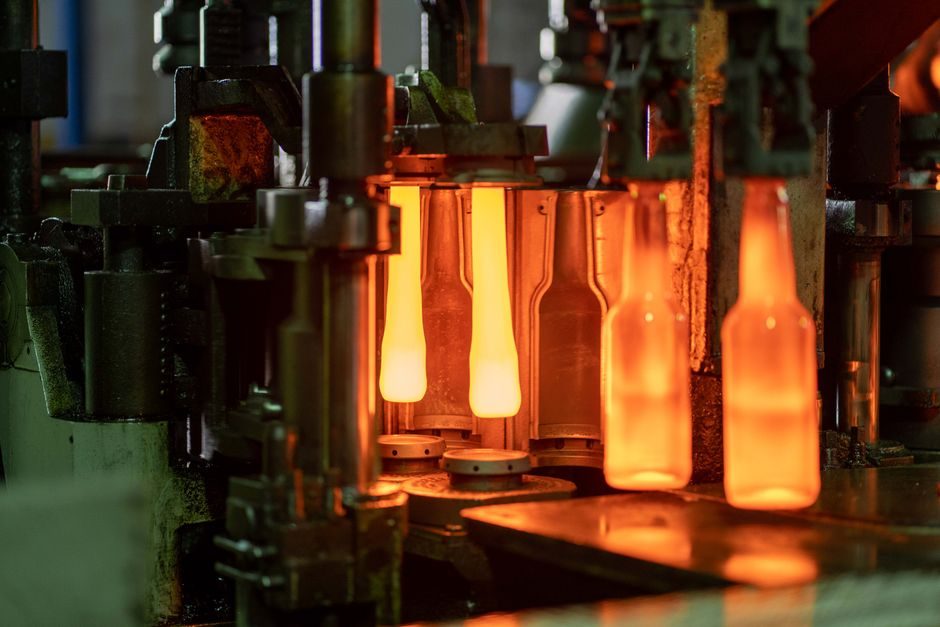
List prices on Made-in-China for new magnesium-rated cold-chamber HPDC cells run roughly US$60,600–US$60,700 for a 400 t LH-HPDC machine and US$60,000–US$100,000 for a 3000 t two-platen high-pressure cell as of May 2026 [S7], while rebuilt hot-chamber magnesium units list from about US$30,000 on the used market [S3]. Magnesium itself is the lightest structural metal at 1.8 g/cm³, 100% recyclable, and the eighth most abundant element on earth [S6], which is why a magnesium die casting machine is specified where every gram of part mass matters.
The total cost of ownership breaks into three bands: the machine platform (cold-chamber hot-chamber, clamping tonnage, platen count), the molten-metal handling package (protective SF6/Novec cover gas, dosing furnace, robotic extraction), and the die/tool set quoted separately on a per-piece or per-cavity basis from mould shops running about 1,000 moulds/year out of Guangdong and Anhui clusters [S1][S7]. Buyers comparing a magnesium aluminum die casting machine should not assume the same tonnage rating covers both — magnesium's lower density shifts fill velocity and intensification pressure targets even though the lock force envelope looks similar on a spec sheet.
Price Bands by Machine Class
New 400 t cold-chamber HPDC cells rated for aluminum, copper, magnesium, and brass alloys list at US$60,600–US$60,700 per unit on Made-in-China as of May 2026, with a 1-piece MOQ from Anhui-based Long Hua [S7]. At the high end, a 3000 t two-platen high-pressure cell sits in the US$60,000–US$100,000 range on the same channel [S7]; OEM CNC gantry frames used as cast machine bases can be sourced from US$1,000 per piece in low MOQ [S4], but the assembled machine cost is dominated by the platen, tie-bar / two-platen clamp, and shot-end hydraulics, not the base casting.
Used hot-chamber die casting machines — the typical entry point for zinc and small magnesium hardware — are widely advertised at roughly US$30,000 on specialist rebuilders' sites as of June 2026 [S3]. Hot-chamber is generally the wrong choice for magnesium in production volumes above a few kilograms per shot because molten magnesium attacks the iron-based gooseneck and plunger, which is why cold-chamber HPDC dominates the magnesium segment [S6]. Comparing cells against an aluminum die casting machine of the same tonnage, expect 10–20% premium for magnesium-rated steel in the shot sleeve, plunger tip, and die inserts that contact molten Mg.
What Drives the Cost Stack
Five line items move the most dollars on a magnesium die casting cell invoice: (1) clamping tonnage — 400 t is the volume sweet spot for automotive structural parts and brackets; (2) platen count — two-platen designs save floor space and tie-bar stretch but add 15–25% to the machine price; (3) shot-end metallurgy — chrome-moly or tool-steel shot sleeves rated for Mg melt, often costed as an option; (4) cover-gas system — SF6/SO2 mix or 3M Novecsubstitute cover gas with flow control, mandatory because molten Mg oxidizes readily [S6]; (5) control stack — a modern HMI/PLC with closed-loop shot curve and real-time intensification pressure monitoring.
A useful shorthand: clamping tonnage roughly follows the projected area rule, and the die casting machine price scales near-linearly with lock force from 400 t to 3000 t, while robotic extraction, spray, and trim presses scale with cycle time, not tonnage. For shops already running an aluminum die casting machine, retrofitting for magnesium usually means a new shot sleeve, plunger, dosing furnace, and cover-gas enclosure rather than a new machine — a useful cost-optimization path on cells under ten years old.
Cold-Chamber vs Hot-Chamber vs Vacuum for Magnesium
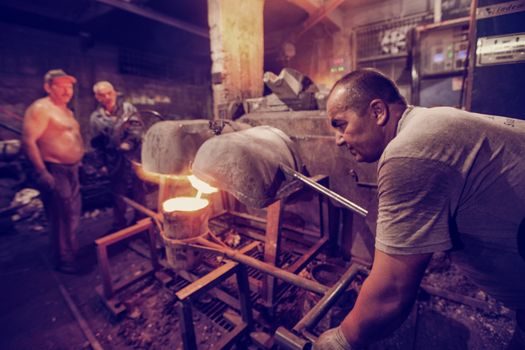
Cold-chamber HPDC is the default for magnesium parts above ~1 kg shot weight because the melt stays in a separate furnace and never touches the machine's gooseneck — a critical design choice given Mg's reactivity with ferrous alloys at 650–680 °C melt temperature [S3][S6]. Hot-chamber is reserved for small thin-wall magnesium hardware (laptop frames, small brackets) where the throughput premium of an immersed gooseneck outweighs the ferrous-contamination risk; rebuilt hot-chamber units start around US$30,000 [S3], well below new cold-chamber pricing.
Vacuum die casting is the third option for safety-critical parts (aerospace, EV battery housings) where porosity from trapped air is unacceptable; a vacuum die casting machine typically adds 20–35% to the equivalent atmospheric cold-chamber price and requires sealed die interfaces and a vacuum pump rated for the cell volume. For high-volume structural magnesium, a magnesium die casting machine configured as a cold-chamber HPDC with SF6/Novec cover gas, robotic spray, and integrated trim press is the typical 2026 specification called out on supplier data sheets [S5][S6].
New vs Reconditioned vs Used: A 2026 Sourcing Map
New cells (Long Hua LH-HPDC 400 t, etc.) carry the manufacturer's warranty and full CE/UL documentation, list near US$60,600 on Made-in-China [S7], and offer the cleanest path to automotive IATF 16949 audits. Reconditioned cells from European rebuilders typically run 50–65% of new price with replaced hydraulics and reground platens; used cold-chamber magnesium cells in the 400–800 t class commonly trade in the US$80,000–US$150,000 range on specialist dealers' inventory as of mid-2026 [S3].
Buyers running a mixed portfolio (Mg + Al + Zn) should also weigh a zinc die casting machine line, which is almost always hot-chamber and a different cost class entirely; zinc cells often share floor space and operators with magnesium cells in job-shop environments. The Sourcing Map decision is straightforward: new for audit-driven auto/aero programs, reconditioned for cost-driven Tier-1 brackets and housings, used for prototyping and low-volume runs where capex recovery horizon is under 24 months.
Operating Cost Levers Beyond Capex

Energy, cover gas, die lubrication, and die tooling dominate the opex side of a magnesium cell. SF6 — historically the standard Mg cover gas — is a 23,500×-CO₂ global-warming-potential greenhouse, and the industry is migrating to SO2/Novec/HFC blends or pure inert-argon cover with flux; budget for 5–10% of total cell opex in cover-gas consumables [S6]. Die lubricant, water, hydraulic oil, and shot-sleeve wear parts are the next line items; shot sleeves for magnesium typically need re-line at 80,000–120,000 shots versus 150,000+ for aluminum because of Mg's affinity for iron.
Scrap rate, die-cooling water stability, and shot curve repeatability are the three production-engineering levers that decide whether a magnesium cell hits the throughput numbers the ROI model assumed. Buyers who understand gravity die casting machine economics will recognize that HPDC magnesium's high capex only pencils out when cycle time stays under ~90 seconds per shot.
Standards, Safety and Sourcing Watch-Outs
Magnesium melt handling is regulated under regional fire codes and ISO/OHS standards for reactive-metal foundries; in EU plants the SF6 phase-down under the F-Gas regulation is forcing a switch to Novec or argon cover, and Chinese suppliers exporting into Europe are increasingly offering Novec-ready cover-gas skids as standard [S6]. Die cast part acceptance for safety-critical components typically references ASTM B94 (magnesium and magnesium-alloy die castings) and customer-specific specs from automakers; buyers should always require the OEM mill cert on melt, the die-steel grade, and the shot-end metallurgy before signing a PO.
On the sourcing side, two patterns are worth tracking into H2 2026: (1) Anhui and Guangdong cluster consolidation, with Long Hua and similar OEMs raising 400–3000 t cold-chamber output and pushing list prices down ~3–5% year-on-year [S5][S7]; (2) the parallel rise of squeeze casting machine cells as a competitor for porosity-sensitive structural parts that traditionally went to vacuum HPDC. A second related read is how tool & die steel prices move, since the die is typically 30–60% of the magnesium program's total tooling spend.
The capex gap between a new 400 t magnesium HPDC cell at US$60,600 [S7] and a used hot-chamber unit at US$30,000 [S3] is real, but the opex gap is wider than the capex gap suggests once SF6/Novec, ferrous shot-sleeve wear, and safety-rated melt handling are priced in. Watch signals into late 2026: Chinese OEM list-price revisions around Q3, F-Gas SF6 phase-down milestones in the EU, and any ASTM B94 revision covering Mg die-cast mechanical-property test methods.