A 400-1000 metric ton gravity die casting machine, the workhorse class for mid-range structural castings, new from a tier-1 OEM typically lists in the USD 120,000-350,000 band, while sub-200 ton new entries start near USD 50,000 and used 100 ton units can be found for as little as USD 80,000 [S1][S2].
The price spread inside the "mid-tonnage" label is wide because tonnage, platen size, hydraulic versus servo injection, and the level of cells/automation change the bill of materials more than the casting process does. The global gravity die casting machine market was valued at USD 3.2 billion in 2025 and is projected to reach USD 5.4 billion by 2034 at 6.0% CAGR, a sizing signal that mid-tonnage units are the volume segment, not the premium tier [S3].
What "mid-tonnage" actually means in 2026 catalogs
Mid-tonnage gravity die casting machines sit in the 400-1000 metric ton clamping-force window, which aligns with the tonnage band most often specified for mid-range structural aluminium parts, EV housing components, and large brass or bronze fittings [S9]. Below that, 40-200 ton machines cover small precision parts; above it, 1500-3500 ton units serve large automotive structural castings [S9]. Shibaura Machine's HPDC range, while not a gravity line, maps the same tonnage ladder from 1350 kN up to 35000 kN, a useful reference for what "size class" means in clamping-force units a process engineer can translate between vendors [S5].
Gravity die casting machines, sometimes called permanent mold machines, hold the mold closed under dead-weight or low hydraulic pressure while molten metal fills the cavity by gravity; the absence of a high-pressure injection system is precisely why their price floor is lower than a die casting machine of equal clamping tonnage [S4]. ItalPresseGauss lists gravity die casting as a distinct product family alongside high-pressure and low-pressure die casting, with the gravity line positioned as "complete flexibility and customization" rather than a high-tonnage push [S4].
Price bands by tonnage and configuration
For a mid-tonnage aluminum die casting machine in the 400-1000 ton class, published list-price ranges cluster as follows: new 400 ton hot-chamber or gravity unit, USD 300,000-500,000 from Frech or Italpresse-class OEMs [S2]; new 660-1100 ton gravity unit on the Indian subcontinent market, INR 25-30 lakh, roughly USD 30,000-36,000 at typical 2026 exchange rates, a price point that reflects locally built or reengineered units rather than European OEM list [S7]. Used 100 ton entries start at USD 80,000, with 4500 ton outliers reaching USD 3,000,000 and above, but those are high-pressure cold-chamber machines, not gravity [S1].
Configuration is the second price axis. A bare gravity machine with manual tilt and no automation sits at the bottom of each tonnage band; adding servo-driven die closure, PLC-integrated temperature control, robotic extraction, and a spray cell can add 40-80% to the bare-machine price. The buyer should treat the OEM "list" as a starting figure and the cell-ready installed price as the real number, because auxiliaries (melting furnace, die preheater, trim press, cooling tower) routinely match the machine cost on a turnkey basis [S2].
New versus used: what the gap actually buys
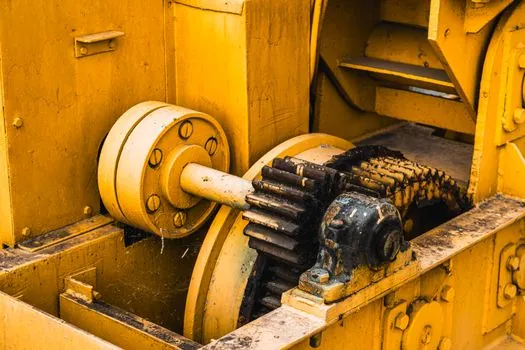
Used equipment is where the 60-70% discount story lives. A 100 ton unit can be had for USD 80,000 new-equivalent in the used market, while a 400-600 ton Frech, Buhler, or Italpresse machine changes hands in the USD 150,000-400,000 range depending on hours, retrofits, and whether the control cabinet has been migrated from relay logic to a modern PLC [S1].
Buying used shifts risk from capex to opex. A 15-20 year old gravity machine with worn tie bars, scored platen faces, and obsolete hydraulics will eat 20-30% of its purchase price in rebuild cost over the first two years, and spare parts for European OEMs outside their authorized channel can run 1.5-2x the price of equivalent Asian-market components. NADCA's FAQ frames die casting machine selection around process fit and alloy, not purchase price, which is the right lens: a USD 80,000 used 100 ton unit is the wrong tool for a 5 kg structural casting, no matter how attractive the invoice [S10].
Total cost of ownership: what the price tag does not show
Maintenance and energy together add 20-30% to the machine's life-cycle cost on top of purchase price, per industry estimates [S2]. For a mid-tonnage gravity machine, that breaks down into: hydraulic oil and filter changes on 2000-4000 hour intervals, die-lubricant consumption proportional to cycle count, and electrical draw dominated by the melting and holding furnace rather than the machine itself, because gravity die casting does not need a high-pressure intensifier. A 600-800 ton gravity cell with a 500 kg aluminium holding furnace will draw 80-150 kW continuous, and a servo-retrofit on the die-close and tilt axes can cut that by 10-20%.
Installation is the line item most buyers under-budget. A mid-tonnage gravity machine needs a 20-30 ton overhead crane for die changes, a foundation rated for the static plus dynamic load (roughly 1.5x machine weight for a 600 ton unit, so 30-45 tons of foundation work), and three-phase power at 400-480 V with a dedicated transformer if the host facility does not already have a foundry bus. Realistic 2026 installed cost for a 600 ton gravity cell, machine plus auxiliaries plus installation, runs 1.8-2.2x the bare-machine price.
Selection criteria: who mid-tonnage is for, and who should look elsewhere
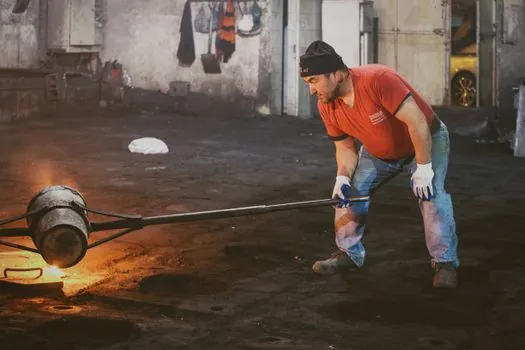
Mid-tonnage gravity machines fit job shops casting 2-15 kg aluminium or copper-alloy parts, EV component suppliers running structural housings, and brass/bronze foundries producing valves and fittings in the 0.5-5 kg range [S9]. They are not the right tool for high-volume zinc hardware (a zinc die casting machine in the 20-200 ton hot-chamber class is cheaper per shot) and they are the wrong tool for thin-wall structural automotive castings (use high-pressure die casting in the 800-3500 ton class) [S2][S5].
Inside the mid-tonnage window, three vendor tiers are visible. Tier 1, European OEMs (ItalPresseGauss, Buhler, Frech), commands USD 250,000-500,000 for a 400-800 ton unit and competes on process control, NADCA-compliant cells, and global service. Tier 2, Japanese majors (Shibaura Machine, Toshiba), competes in the 1350-35000 kN tonnage range with servo-hydraulic injection and strong EV-sector references, though their gravity line-up is narrower than their HPDC line [S5]. Tier 3, regional builders in India and China, lists 660-1100 ton gravity units at INR 25-30 lakh (USD 30,000-36,000), a price that reflects a 5-8x discount against the European equivalent and a different service-network assumption [S7].
Standards, sourcing, and the next data point to track
Process conformance for gravity die casting follows NADCA's published guidance on alloy selection, gating, and die life, and machine builders in the EU typically certify their equipment to ISO 9001 quality management as a baseline [S4][S10]. For vacuum die casting or magnesium die casting variants in the same tonnage class, additional coverage applies around melt handling and gas-purge systems, but a standard gravity machine on aluminium or copper alloys does not trigger those clauses.
For a deeper look at the full tonnage-vs-price map across 100-3500 ton, see the 2026 cost-band and selection breakdown; for what a full entry-level line, not just the machine, costs in 2026, the gravity die casting line cost piece is the matching reference.