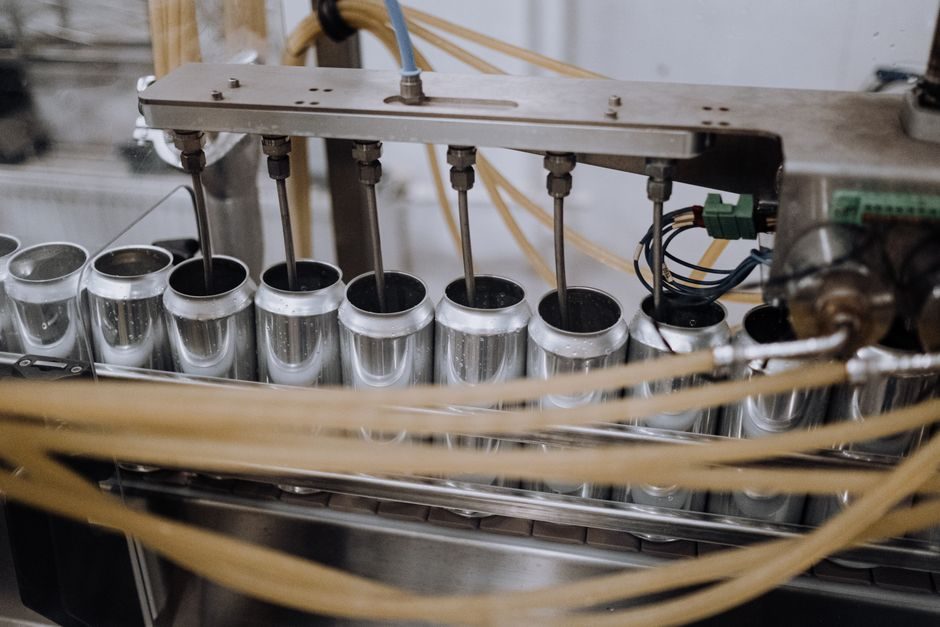
An overhead conveyor is a rail- or chain-based handling system suspended from a building structure, typically used in paint shops, garment lines, e-coat, plating, and final assembly, where floor-mounted equipment would obstruct work or traffic.
Because the track lives above the operator, the system trades floor congestion and forklift traffic for structural tie-in, ceiling clearance, and a service pattern that is fundamentally different from a belt conveyor or chain conveyor on the floor.
Where Overhead Conveyors Win on Spec Sheet
Floor liberation is the headline gain: an overhead line running at roughly 3.5–7 m hook height reclaims 100% of the floor footprint that a belt conveyor of comparable throughput would occupy, which is why paint shops with trench-free floors and tight pit constraints are the canonical application [S1]. Process flow also benefits — the conveyor naturally dictates a fixed, single-direction route, eliminating fork-truck cross-traffic and giving line-side operators an unobstructed work envelope on both sides of the carrier.
Energy and ergonomics are secondary wins. Carriers swing rather than ride on belting, so the moving mass is lower per unit load than a powered roller line, and the operator lift height is fixed by the hook position, which simplifies ergonomics audits. Vertical drops and lifts along the loop are also handled with simple inclines rather than elevators, which simplifies the controls architecture. For paint-line duty specifically, the natural inversion of parts through dip and rinse stages is the single most cited reason engineers specify overhead rather than floor conveyor.
Where Overhead Conveyors Cost You on Spec Sheet
Structural reinforcement is the silent line item. A loaded overhead carrier at 250–500 kg point load, multiplied by carrier spacing of roughly 1.2–1.8 m, imposes a distributed load on the building steel that often requires a dedicated truss or I-beam run at 6–9 m centres — a cost item that floor-mounted systems simply do not carry. Where building steel is insufficient, the procurement budget for the conveyor line can grow 20–40% once steel, brackets and anchorage are added to the supplier's scope. [S1]
Maintenance access is the other structural disadvantage. The drive unit, take-up, conveyor chain joints, and load-bearing trolleys are all overhead, which means any service event — chain break, trolley bearing replacement, dog or hook repair — requires a scissor lift, mobile platform, or a permanent maintenance catwalk. Compare that to a chain conveyor on the floor, where a mechanic with a wrench can reach the entire run. For plants running 2- or 3-shift operations, this single factor usually decides whether overhead remains in the running or is dropped in favour of a pneumatic conveyor or floor line.
Side-by-Side: Overhead vs Belt vs Chain vs Pneumatic
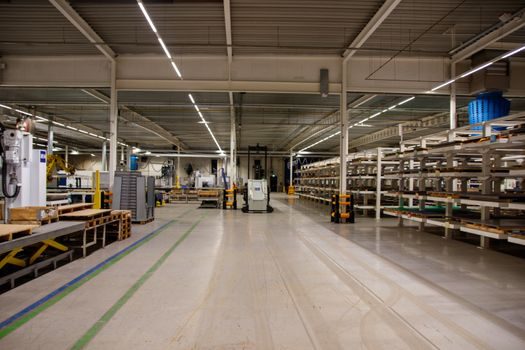
Four conveyor families cover most discrete-load handling. Overhead conveyor: high, fixed-route throughput with 100% floor liberation; cost is structural steel, ceiling clearance, and overhead maintenance access. Belt conveyor: lowest unit cost for accumulation and inclined transport of packaged goods; limited to moderate inclines (typically 18–20° for cleated belts) and consumes floor width. Chain conveyor: high point loads, harsh washdown, pallet handling; tolerates oil and debris better than belt, but floor-mounted and obstructs traffic. Pneumatic conveyor: enclosed dilute- or dense-phase transport for bulk powders and granules; ideal where cross-contamination or dust is a concern, not for discrete unit loads. [S2]
On four decision criteria, the matrix reads: floor liberation (overhead 5/5, belt 1/5, chain 1/5, pneumatic 5/5); discrete unit load capability (overhead 5/5, belt 3/5, chain 5/5, pneumatic 1/5); structural / civil cost (overhead 4/5 — high, belt 1/5, chain 1/5, pneumatic 2/5); maintenance accessibility (overhead 2/5, belt 5/5, chain 4/5, pneumatic 3/5). Engineers running a brownfield paint or plating line almost always score overhead highest; engineers running a brownfield packaging line almost never do.
Operating Limits and Failure Modes Buyers Should Verify
Carrier pitch, payload per carrier, chain pitch, and drive kW must be cross-checked against the slowest process station, not the average. A 100-carrier line running at 4 m/min with 200 kg per carrier is roughly 1,333 kg of moving load plus chain mass — a 4 kW drive is typical, but if the line includes a 30° incline section the same line will spec closer to 5.5–7.5 kW once the lift component is included. [S3]
Three failure modes drive most service calls on overhead conveyors. First, trolley wheel and pin wear after 12–24 months in dirty or greasy environments — verify the trolley wheel material (hardened steel vs polymer) and the supplier's recommended re-grease interval. Second, overhead bridge crane-style chain elongation at the drive sprocket: the standard acceptance is 3% over 100 pitches; beyond that, dog engagement and trolley tracking degrade quickly. Third, dog or hook straightening after overload events — most plant operators keep a 10% spare dog inventory for this reason.
Comparison to Adjacent Equipment Choices
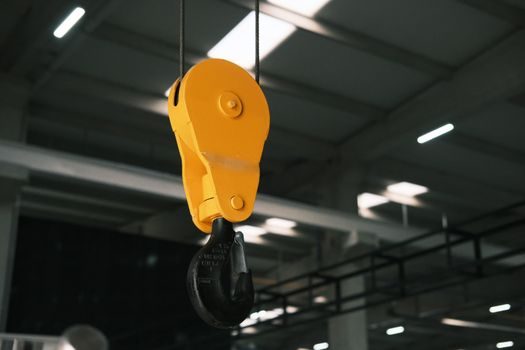
For unit-load handling through a multi-stage process, the engineer typically compares overhead conveyor against power-and-free conveyor, skid conveyor, and roller conveyor. Power-and-free adds a secondary free rail that decouples load motion from the drive chain, which solves accumulation problems on long paint lines but adds complexity and another maintenance plane. Roller conveyor is cheaper and easier to service but cannot invert parts, so it is rarely specified for paint or plating duty. Skid conveyor is a hybrid used in body shops, where the skid itself becomes the carrier — a separate architecture, not a substitute. [S4]
For powder or bulk handling in the same plant, pneumatic conveyor and belt conveyor are the competing systems, but neither replaces the overhead line for the discrete-load finishing process that drives the line's value. For related selection logic on adjacent handling equipment, see Chain Conveyor Spec Trade-Offs: Load, Incline, Wear and Noise and Excavator advantages and disadvantages: a spec-by-spec engineer's cut, which follow the same criteria-first review pattern for a different equipment class.
Who Should and Should Not Specify Overhead
Overhead conveyor is the right answer for: greenfield paint, e-coat, plating, or finishing lines where the building is being designed around the process; garment and laundry operations with continuous small-part flow; and any line where floor liberation, parts inversion, and fixed-route throughput outweigh access and structural cost. It is the wrong answer for: brownfield retrofits into existing buildings with marginal roof steel; operations expecting frequent layout changes (overhead routes are expensive to modify once the building steel is in); and cleanrooms or food lines where overhead chain lubrication and fallout are unacceptable. [S5]
The single most-cited reason overhead gets cut from a project is the structural package: a building designed for 50 kg/m² roof live load cannot accept a 250 kg/carrier overhead line without dedicated beam runs. Run a structural check before the conveyor supplier is even on site, and a third of all overhead-versus-floor debates end on that first number.
For more cross-equipment comparison work, see Bag Filter vs Industrial Filter: Spec Boundaries and Misapplication Risks, which applies the same spec-first review to filtration selection.
Two trackable signals to verify on any new overhead conveyor quotation: the supplier's stated trolley wheel L10 life (typically 8,000–20,000 hours) and the chain pitch and ultimate tensile strength matched to the calculated peak tension at the drive sprocket during a worst-case start with a full loaded line.