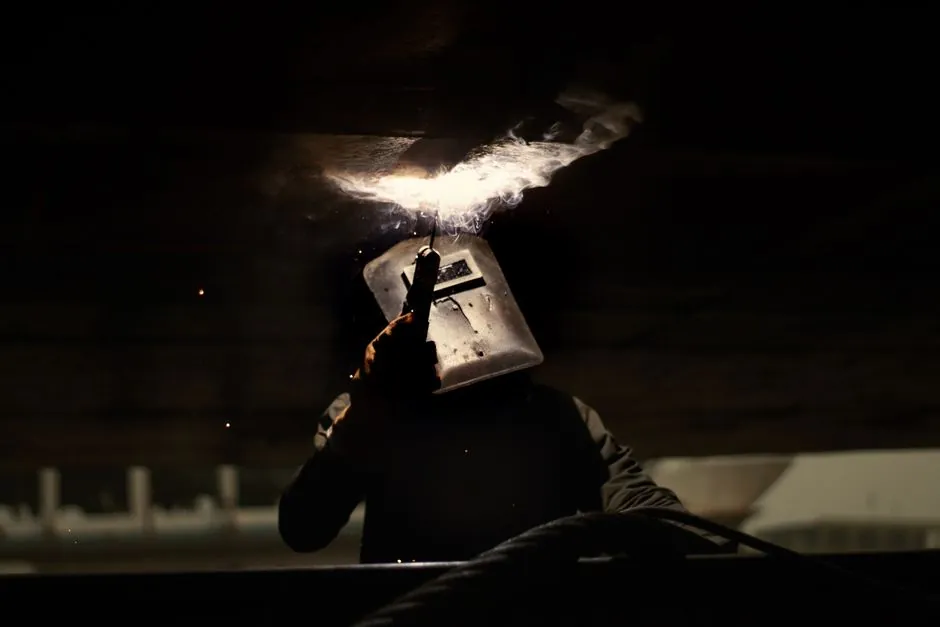
An oxy-fuel rig that matches the bridge plate-thickness map, the torch seat type, and the fuel-gas curve cuts cleaner, runs safer, and reduces tip change-outs on girder, diaphragm, and gusset work [S1][S4].
Bridge steelwork routinely covers 6 mm diaphragm plate to 50 mm+ main girder flange, and oxy-fuel remains the most widely used field cutting process worldwide because it needs no electricity, starts within minutes, and a complete torch-and-cylinder kit sits in the $250-$350 entry band [S1].
Plate-Thickness Map and Tip Sizing
Cutting mild steel from 3 mm (1/8 in) up to 300 mm (12 in) is the published operating envelope of oxy-fuel equipment, and the center orifice plus preheat orifice are both sized for a specific thickness range, which is why a single tip cannot cover a bridge job [S1][S2]. Bridge-site rule of thumb: 1.2 mm orifice acetylene tips are rated 10-20 mm plate at 30-35 PSIG cutting oxygen and 3-5 PSIG fuel, with 0.7 PSIG preheat oxygen [S5]. Thicker main girder and splice plates need progressively larger tips, and the manufacturer's cutting tip chart is the binding reference for the actual pressure set, not field guesswork [S4].
Selecting on thickness alone is the most common field error: a tip too small starves a 25 mm flange of cutting oxygen, while a tip too large for a 6 mm diaphragm warps the edge and leaves heavy slag [S4]. For bridge work where mixed thicknesses appear in the same shift, fabricators carry 3-4 tip sizes on the manifold, and a separate machine torch is reserved for automated cuts on cambered girder web [S1].
Seat Type and Torch Brand Compatibility
The seat type is fixed by torch brand and model, and mixing seats is the single fastest way to damage equipment or leak flammable gas at the torch head [S1]. Victor-style 3-101 (Size 1) acetylene cutting tips, with a 1.2 mm cutting orifice and 10-20 mm plate rating, are a common one-piece OEM seat consumable used on Victor oxy-fuel torches in structural fabrication yards [S5]. For a bridge contractor standardizing on one torch model across multiple crews, locking the seat type simplifies spare-parts inventory and prevents the cross-brand tip substitution that causes seat galling and oxygen leaks under the cutting lever [S1].
Two-piece hybrid tips, with a brass inner piece and a copper outer piece, are the usual choice for high-volume machine-torch cutting on automated oxy-fuel track machines, where the inner preheat seat wears faster than the outer cutting-oxygen seat [S1]. One-piece solid copper tips dominate hand-torch work because they are cheaper, easier to swap in the field, and tolerate the minor seat contamination that comes from outdoor bridge work.
Fuel Gas: Acetylene vs Propylene vs Propane
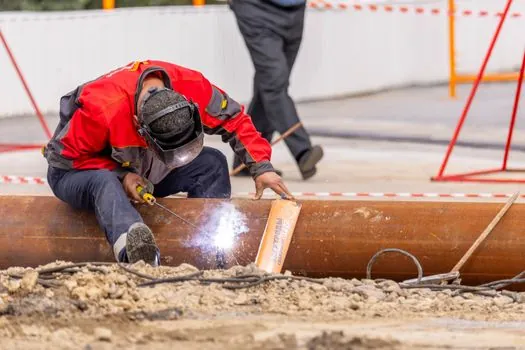
Acetylene delivers a preheat flame temperature of 5,600-5,800 °F, the hottest and most versatile fuel, and it gives the shortest preheat time for cutting and gouging, but it is the most expensive fuel per unit work and is not the most efficient for heating large areas [S1]. Propylene (including generic LPG-style mixes) burns hotter than propane, cuts, gouges, and heats reasonably efficiently, but preheat times run longer, so the correct tip designation matters more [S1]. On most bridge sites, acetylene is held for the small-diameter, fast-preheat cuts on gusset and diaphragm plate, while propylene covers heavier heating and longer-duration cuts where the lower gas cost offsets the slower preheat.
Oxy-fuel is restricted to ferrous materials, and mild steel in particular, because the process relies on the metal reaching its ignition temperature (about 1,600-1,800 °F for mild steel) before the cutting oxygen stream oxidizes and ejects the kerf [S4]. Stainless, aluminum, and other non-ferrous bridge materials do not oxidize the same way and must be cut by plasma, abrasive waterjet, or saw, not by oxy-fuel [S4].
Cutting Tip Options Compared for Bridge Work
The table below lines up the three tip categories that a bridge contractor actually specs, against four decision criteria drawn from the selection rules in [S1] and [S4].
One-piece solid copper acetylene tip (e.g. Victor 3-101 Size 1, 1.2 mm orifice, 10-20 mm plate rating, 30-35 PSIG cutting oxygen, 3-5 PSIG fuel, 0.7 PSIG preheat): best for hand-torch work on diaphragm and gusset plate, low cost per tip, fastest preheat, but shortest service life on production runs [S5]. Two-piece hybrid tip (brass inner, copper outer, larger orifice): best for machine-torch and track-machine cutting on girder web and splice plate, separately replaceable seats reduce total consumable cost, but requires a matching torch head and a more controlled shop environment [S1]. Long-reach or extended tips (up to 24 in from the torch, with special alloy wear rings): best for cutting the base of an I-beam and removing rivet heads during bridge rehabilitation, the only practical option for awkward clearances, but they are specialty items with longer lead times and higher unit cost [S1].
Field Limits, Failure Modes, and Bridge-Specific Pitfalls
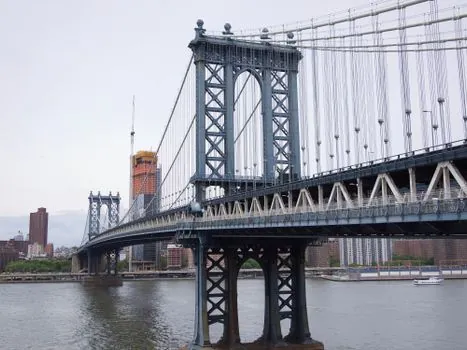
Ignition temperature has to be reached before the cutting oxygen is opened, and on rusty or oxidized bridge plate the rust layer acts as a barrier that delays or prevents ignition, so preheat time must be extended until the scale burns off and the cut starts on clean metal [S4]. Insufficient preheat leaves the cut cold, the kerf irregular, and slag fused to the bottom edge, which then has to be ground off before welding the splice. Excessive preheat on thin diaphragm plate warps the edge and burns through before the cutting oxygen stream is fully engaged [S4].
On a bridge deck or pier cap, wind and weather are the secondary failure modes: a 10-15 mph crosswind deflects the preheat flame off the start point and prevents ignition, and cold plate below about 40 °F extends preheat time and increases acetylene consumption per cut. Bridge contractors working at elevation typically shield the start point with a wind break and pre-warm plate ends with a rosebud tip before switching to the cutting tip, which keeps the cut geometry within the camber tolerance the girder was fabricated to.
Equipment Cost, Productivity, and Crew Sizing
A complete high-end oxygen-acetylene torch and regulator kit lands at $250-$350, and the cylinder can be rented rather than purchased, which keeps the per-job capital outlay low for short-duration bridge repair contracts [S1]. Electricity is not required, so the rig operates in remote pier locations, on scaffolding over live traffic, and on barges under bridges where generator power is impractical or unsafe [S1]. Productivity scales with tip size: a 25-50 mm plate tip at the rated oxygen pressure cuts roughly twice as fast per pass as a 10-20 mm tip, but it also consumes 2-3x the oxygen and fuel per minute, so the gas budget per shift is set by the largest tip on the manifold, not the average plate thickness [S1][S4].
For a typical steel-girder bridge span, a two-person cutting crew with a manifold feeding two hand torches plus one machine torch on a track handles girder web trimming, stiffener cropping, and splice plate coping at a rate that keeps ahead of the erection crane. The full scope of cutting tools and consumables that support this work falls under the broader category covered in the construction tools reference, and the bridge-side handling of plate and girder stock is set up with the lifting gear detailed in the overhead bridge crane reference.
Standards, Safety, and Sourcing
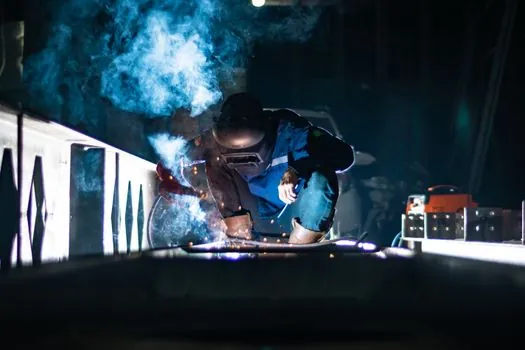
Cutting-tip selection is governed by the manufacturer's tip chart for the specific torch model, and the pressures and flow rates on that chart are the binding operating limits, not the dealer's general guidance [S1][S4]. For bridge work in the US, the relevant cutting practice is AWS C4.1, which covers oxy-fuel gouging and cutting criteria (3 mm to 300 mm mild steel range), and hot-work permitting on active bridges is controlled by NFPA 51B hot-work provisions, which require a fire watch, a designated hot-work area, and a torch shut-off within reach of the operator. Oxy-fuel tips are not a regulated pressure-bearing component, so there is no third-party certification stamp on the consumable itself, but the torch handle and regulator set must comply with the relevant compressed-gas association standards for the jurisdiction.
When the bridge job overlaps with stainless or weathering steel architectural trim, or with rebar and embed plate on the substructure, the cutting process shifts: rebar cutting and the smaller-diameter consumables used in that work are covered in the riser cutting machine and cutting machine encyclopedia entries, while the wider fleet context for bridge plant and equipment is mapped in the construction machinery and equipment reference. The complete oxy-fuel torch assembly itself, with its cylinders, regulators, and tip family, is profiled in the oxy-fuel cutter entry.
Trackable signals over the next quarter: (1) any new ASTM or AWS revision to hot-work distance rules for live bridge decks, and (2) lead time on Victor 3-101 family tips and the larger 4-101/5-101 sizes used for 25-50 mm plate, since OEM acetylene-tip stocking has tightened in past supply shocks [S1][S5]. Field guidance that closely matches this bridge framing, but applied to thinner-gauge landscaping plate, is mapped in the Landscaping Oxy-Fuel Torch Selection spec map.