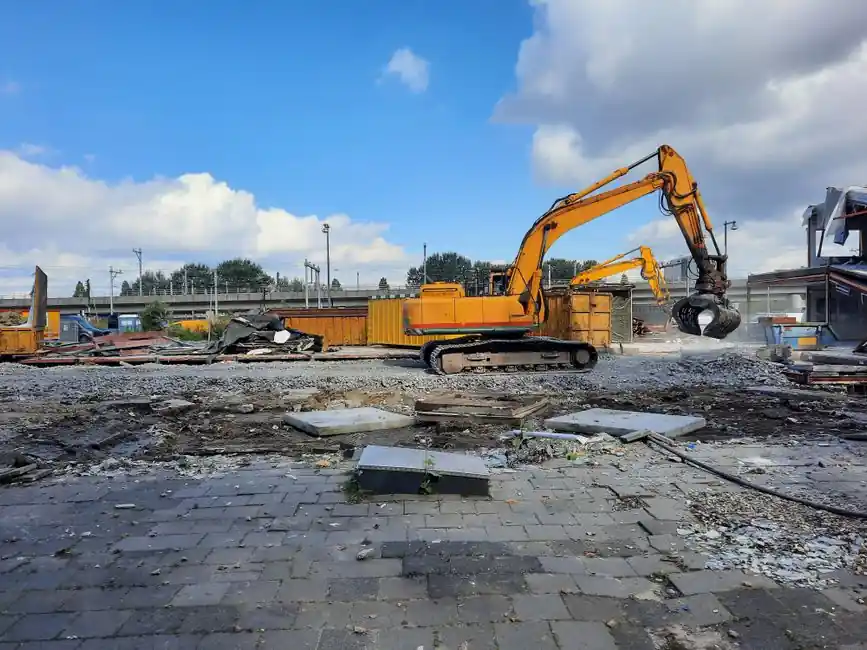
Oxy-fuel cutting torches remain the default thermal tool for separating carbon-steel members during demolition, with preheat flames around 5500 °F and a high-pressure oxygen jet capable of severing plate up to 12 in. thick [S2]. Selection on a demolition site is driven by four variables: material thickness, required cut quality, mobility, and the surrounding environment, including ignition-source restrictions [S1].
Acetylene is the fast-preheat choice for clean piercing and thin plate; propane is the rugged field option where cylinder logistics, availability, and impact tolerance matter more than peak flame temperature [S1]. For structural teardown, the cutting torch is rarely a stand-alone tool; it sits inside a sequence that starts with a concrete pulverizer exposing reinforcement, followed by thermal separation of the steel [S1]. Where open flame is restricted, planners pre-stage a switch to hydraulic shears or a tank cutter to keep the schedule intact [S1].
Tip Size, Plate Thickness, and the Nozzle Match Rule
Tip selection is governed by steel thickness, and a mismatch is the single largest cause of slag adhesion and wandering cuts. Torch models are tiered by plate thickness class, and the published cutting capacity of a given torch model is the first gate to confirm against the thickest section on site [S3]. A clean cut requires a nozzle size and seating matched to thickness so the oxygen jet stays stable across the kerf [S1].
For a working comparison, three plate ranges dominate demolition work and map to common tip series: 0.25–0.5 in. plate uses a fine tip with low oxygen consumption and the cleanest striation; 0.5–2 in. plate is the workhorse band for beams, channels, and tank shells, where the Victor Medalist Classic outfit is rated for cutting up to 5 in. and is widely used in fabrication and light teardown [S5]. Material above 2 in. but below 6 in. shifts to heavy tips and higher oxygen pressure; 6–12 in. plate is the upper limit of conventional hand-guided oxy-fuel and demands disciplined travel speed, preheat soak, and stand-off [S2]. Above 12 in., oxy-fuel is no longer the right primary tool, and the sequence moves to a concrete pulverizer plus torch, or to hydraulic shears, depending on access [S1][S2].
Fuel Gas Choice: Acetylene vs. Propane on the Demolition Site
Acetylene delivers a flame up to about 6000 °F and the fastest preheat, which shortens pierce times on plate and reduces slag build-up when tips are clean [S5]. It is, however, sensitive to cylinder orientation, acetone carry-over at high draw rates, and pressure limits, and it must never be laid flat during storage or transport [S5]. Propane trades peak flame temperature for robust cylinder handling, easier field logistics, and tolerance for less-than-perfect tip seating, which is why many demolition contractors default to propane for long days on rough sites [S1].
For demolition work specifically, the practical rule is: specify acetylene when pierce count is high, plate is under 1 in., and cut quality is being inspected; specify propane when the job is heavy structural steel, cylinders are moved frequently, and the schedule is measured in tons per shift rather than inches of kerf. A gas-cleanliness check, dry and oil-free oxygen with stable regulator pressure, stabilizes the reaction front and improves cut-face quality regardless of fuel choice [S1].
Reach, Body Length, and Operator Stand-Off on Real Structures
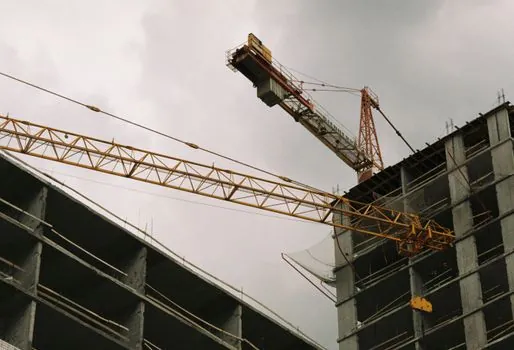
Demolition rarely gives the operator a clean two-sided grip on the workpiece. Torch body length is therefore a primary spec, not an accessory. A 36 in. straight heavy-duty torch, such as the Victor 36 in. straight model, is designed for heavy scraping, demolition, and any job where the operator must keep a safe distance from heat and slag [S4]. Shorter torch bodies around 12–21 in. suit bench work and tight tank-shell patches; longer bodies in the 36 in. class are the right call for separating beams where the cut line is set back from the operator's hands.
Reach also interacts with stand-off discipline. A 36 in. body holds the operator far enough back to keep gloves and sleeves out of the slag stream, but it amplifies the effect of a wandering cut, because small tip deflections at the kerf translate to larger swings at the handle. Constant stand-off distance, a steady torch angle, and a matched travel speed keep striations fine and parallel; deviations show up immediately as drag lines, top-edge rounding, or excessive dross [S1]. For elevated or overhead cuts, an oxy-fuel cutter on a longer body is paired with a stable footing plan and a second operator on fire watch, not as marketing add-ons but as core safety controls.
Sequencing With Hydraulic Tools: Where the Torch Earns Its Place
The fastest demolition sequences use the cutting torch only after the concrete is off the steel. A concrete pulverizer opens the cross-section and exposes reinforcement; a stone and concrete splitter generates defined crack patterns in massive sections, reducing vibration and noise; only then does the cutting torch separate the freed steel member, or alternatively, hydraulic steel shears take over for cold cuts [S1]. This sequencing reduces collateral damage, targets heat input to the steel, and produces cleaner scrap for downstream logistics, three metrics that matter more on a live industrial site than raw cut speed.
For tanks, vessels, and pipelines, open-flame work inside confined or hydrocarbon-contaminated shells is replaced by a tank cutter or a hydraulic cutting tool [S1]. The decision point is ignition-source control: if the line or vessel has carried flammables, or if adjacent work is creating sparks, the torch is parked and the cold tool takes the cut. For the steel-reinforced concrete members that bridge the two trades, an oxy-fuel torch on concrete only makes sense after a pulverizer has stripped the cover, because the torch cuts steel, not aggregate.
Cold-Cut Substitution Triggers and Field Reality
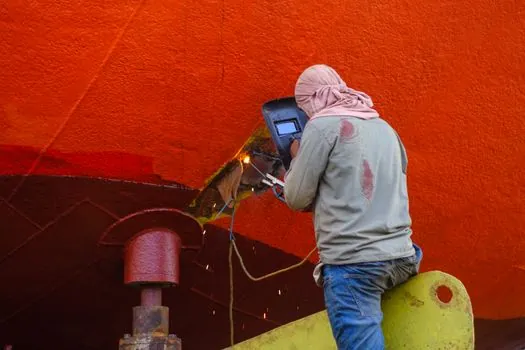
Cold-cutting substitution is not a preference; it is triggered by specific site conditions. Open flame is excluded where the atmosphere has been tested flammable, where adjacent hot work permits are not in place, or where the structural member is coated with unknown paint that may release toxics on heating. In those cases, the preplanned switch is to a hydraulic shear or a tank cutter, and the oxy-fuel rig is held in reserve for the steel that can safely be flame-cut [S1]. The same logic applies to thin-wall stainless and aluminum components, which do not oxidize predictably under a cutting oxygen jet, where plasma or mechanical methods outperform oxy-fuel regardless of tip selection [S5].
For interior finishing and finishing-trade teardown, where cuts are shallow, frequent, and quality-sensitive, the working envelope is closer to a oxy-fuel torch for interior finishing than a demolition torch, with a shorter body, finer tip, and acetylene preheat. Demolition operators should keep that distinction sharp, because pulling a demolition torch into a finished interior is as mismatched as pulling a finishing torch onto a 6 in. beam. Two tool classes, two tip series, two fuel defaults; that is the actual spec map.
Selection Criteria, Compared on One Page
Lining the main options up against four decision criteria makes the choice auditable. A standard 21 in. oxy-acetylene torch with acetylene and a fine tip scores high on cut quality and pierce speed, moderate on reach, and low on field robustness, so it fits tank-shell patches and thin structural plate under 1 in. A 36 in. heavy-duty straight torch with propane and a heavy tip scores moderate on cut quality, high on reach and operator stand-off, and high on field robustness, which is the demolition default for beams, columns, and scrap separation. A short-body acetylene rig with a fine tip scores highest on cut quality, lowest on reach, and is the right pick for interior strip-out and finishing teardown. A hydraulic steel shear paired with a concrete pulverizer scores high on cold-cut safety and on combined cycle time, but requires a hydraulic power pack and electric supply, and does not match oxy-fuel on portability where no power is available [S1][S4][S5].
Field Quality Levers and Verifiable Next Signals
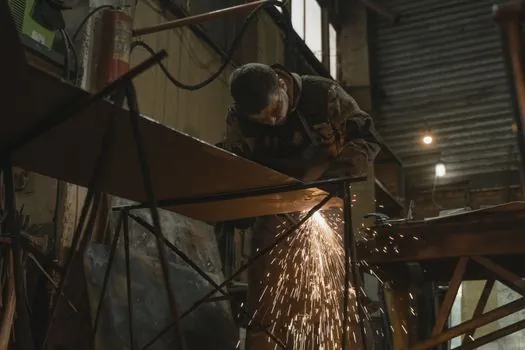
Four levers drive cut quality and are checkable on site without instruments: preheat soak at pierce, nozzle size and seating, oxygen cleanliness and pressure stability, and travel discipline at constant stand-off [S1]. Operators who control all four see fine parallel striations, low dross, and a narrow heat-affected zone; operators who skip any of them get slag, top-edge rounding, and rework. A final spec gate worth tracking: the cutting capacity of the chosen torch model, published by the manufacturer, must equal or exceed the thickest steel member scheduled for separation that week, otherwise the sequence is a hydraulic-plus-torch job, not a torch job [S3]. For related context on demolition-adjacent work where gas handling and cylinder logistics dominate, the industrial gas selection logic for construction sites walks through the cylinder handling side of the same oxy-fuel chain.
Spec-level background on the components involved: demolition hammer, and aerial work platform.