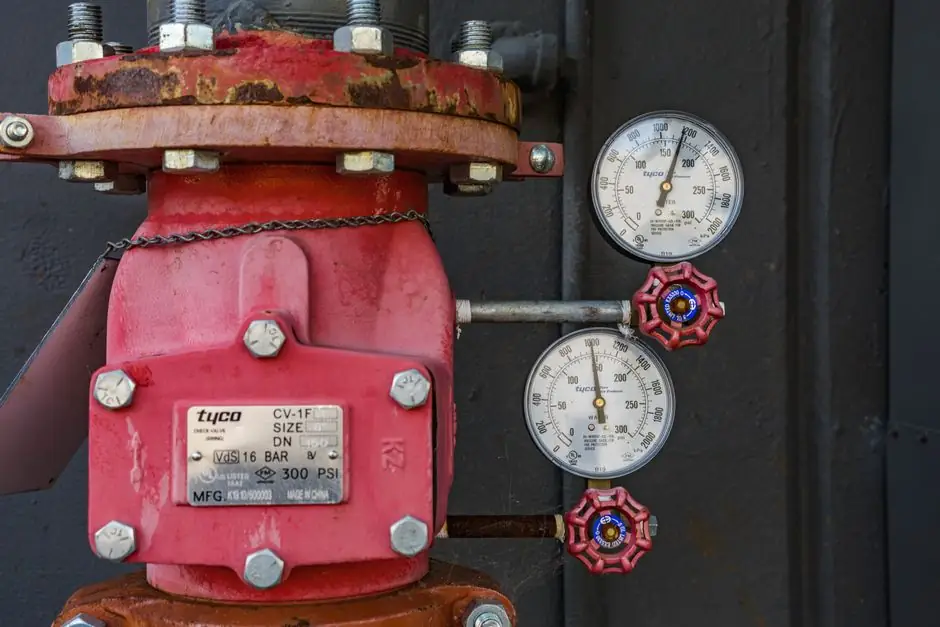
Sanitary check valves protect pharmaceutical process lines from backflow, contamination, and water hammer, with practical designs including horizontal self-draining valves and vertical units with gasket body seals and quick-release clamps [S1].
The selection scope covers product, utility, cleaning, and high-purity fluid duties, where fluid chemistry, operating temperature, pressure, flow capacity, installation orientation, and clean-in-place requirements determine the appropriate valve construction [S1][S2][S3].
Define the service and failure consequence
A check valve must permit forward flow while preventing reverse flow that could contaminate product, damage a pump, interrupt a utility header, or allow process liquid to escape into a drain or vent [S1][S6]. For pharmaceutical systems, the consequence of leakage matters as much as pressure drop: a utility backflow can become a product-contamination pathway, while uncontrolled reverse flow can compromise equipment protection and process control.
Separate the duty into forward-flow design flow, minimum operating flow, reverse-pressure condition, allowable pressure loss, fluid composition, temperature, pressure, and required cleanability. The minimum flow rate or pressure drop needed to keep the valve open must be known during selection, because a valve that remains partly open can chatter, leak, or suffer seat damage [S7].
For sterile or high-purity service, record whether the valve must support CIP in place, whether disassembly is acceptable for cleaning, and whether the installation must drain fully. Sanitary check valves generally use crevice-free, polished contact surfaces, corrosion-resistant materials, and cleanable configurations; vertical sanitary designs often include a gasket body seal and quick-release clamp for maintenance access [S1][S5].
Compare the principal check-valve options
Ball, poppet, piston, dual-disc, and sanitary disc or shutter designs differ in sealing mechanism, contamination tolerance, closing behavior, and installation constraints. A ball check valve uses a rotating spherical closure with a wiping action against the seat, but gravity-operated versions normally require vertical installation with upward flow. A spring-assisted design removes that orientation restriction [S4].
Poppet designs can accommodate viscous fluids and moderate particulate matter, while piston designs are suited to high-pressure service requiring positive sealing [S2]. A piston check valve uses a cylindrical or conical closure element and can provide a positive, spring-assisted seat engagement. A dual-plate check valve uses two hinged plates that close rapidly with spring assistance, making it useful where compact wafer construction and quick closure are priorities [S4].
Set cracking pressure and flow performance

Cracking pressure is the minimum upstream differential pressure required to open the valve, and it must be low enough to operate at the expected flow but high enough to prevent reverse leakage. General selection ranges place low-pressure ball valves at 0.5–2 psi, medium-pressure poppet valves at 2–5 psi, and spring-loaded designs at 5–15 psi or more [S2]. These are screening ranges, not pharmaceutical design limits; the final value must be verified against minimum process flow, line pressure, and allowable reverse pressure.
When selecting a high-purity PTFE check valve, consider the valve size, materials, and cracking pressure, with PTFE identified as the most commonly used material for high-purity applications [S3]. High-purity PTFE check valves are offered in a wide range of sizes and options [S3].
Use the valve flow coefficient, commonly expressed as Cv, to compare flow capacity at a stated pressure drop. A higher Cv generally corresponds to lower pressure loss at the required flow [S2]. Do not select from nominal pipe size alone. Check the manufacturer’s flow curve at the minimum operating flow and at the maximum design flow, including the installed orientation, because a valve that cannot open fully will not achieve its rated capacity.
Match materials to product and cleaning exposure
Wetted materials must be compatible with the product, cleaning chemicals, sanitizing agents, and service temperature. Common candidates include 316 or 316L stainless steel, PTFE, polypropylene, and other specialty polymers; the choice must be based on the actual fluid composition rather than a generic food-contact designation [S2][S3][S5].
For high-purity chemical service, PTFE is widely used for its corrosion resistance, inert behavior, and temperature resilience. Spring materials also require chemical review because the spring is exposed to the same process environment as the valve closure [S3]. For sanitary construction, electropolished surfaces and full material traceability improve cleaning and documentation, while stainless steel offers corrosion resistance in many pharmaceutical and food-grade systems [S2][S5].
Seal selection must cover both chemistry and temperature. Fluid-system designers should evaluate chemical compatibility, temperature range, and contamination levels when selecting check valves [S2]. These figures are material screening values, not blanket valve ratings. Confirm the selected valve's stated pressure-temperature rating and CIP or sterilization exposure for its specific wetted-material configuration.
Apply sanitary construction and installation rules

Sanitary check valves should address crevice-free construction, polished product-contact surfaces, corrosion-resistant wetted parts, cleanability without unnecessary disassembly, and positive shutoff. Pharmaceutical manufacturers also identify 3-A Sanitary Standard 58-02 as a design consideration for sanitary check valves [S1]. Where applicable, verify the exact certification scope, model, size, and material construction rather than treating a valve-family statement as product approval.
Horizontal sanitary valves are designed to be self-draining: forward pressure opens the disc from the seat, and reverse pressure returns it to the closed position. Vertical valves suit vertical pipes and horizontal pipes that do not require self-draining capability [S1]. For gravity-operated ball valves, specify vertical upward flow; otherwise use a spring-assisted closure or select a design intended for the planned orientation [S3][S4].
Connection type is part of the hygienic decision. Hose-barb connections are used for flexible tubing and low-pressure installations, while hygienic clamp, ferrule, or threaded arrangements require their own sealing, cleaning, and pressure verification [S5]. Confirm drainability, tubing geometry, support spacing, and the isolation arrangement around the valve before release.
Select the appropriate failure mode and closing speed
Spring-assisted sanitary valves close positively and are specified when reverse flow must be stopped rather than merely reduced. Non-slam spring-assisted closing is used to prevent flow reversal and water hammer, while a lapped seat and disc provide tight shutoff to lower backflow risk [S1]. For pharmaceutical lines, this is usually more defensible than a gravity- or flow-dependent closure when contamination isolation is the priority.
Closing speed must match the system. Slow-closing swing valves can reduce pressure spikes in sensitive systems, but they depend on flow reversal and may allow leakage before the disc seats. Fast-closing piston, spring-loaded poppet, and dual-plate designs interrupt reverse flow sooner and suit duties where reverse flow causes equipment damage [S2][S4]. A swing check valve is generally less appropriate when zero backflow and immediate closure are mandatory.
Do not select a swing check valve as the default pharmaceutical isolation device. It is more suitable to low-pressure liquid service where low pressure drop is valued, limited reverse leakage is acceptable, and rapid closure is not required [S4]. For sterile-product protection, weigh that limitation against sanitary spring-assisted, piston, or dual-disc alternatives, using the reverse-flow test requirement as the decision threshold.
Verify qualification, testing, and procurement evidence

The procurement package should identify the valve type, model, size, port or orifice, end connection, orientation, flow direction, body and seal materials, spring material, cracking pressure, minimum operating flow, pressure-temperature rating, and required sanitary certifications. For PTFE high-purity valves, request the documented size range, spring configuration, and material options rather than accepting a generic polymer designation [S3].
Include compliance with applicable regulations and industry standards only where they govern the exact product claim. FDA 21 CFR 177.1520 covers olefin polymers such as polyethylene and polypropylene used in food-contact applications, while 3-A addresses sanitary equipment design; neither should be cited as blanket proof of suitability for every pharmaceutical fluid or pressure condition [S5].
Verify seat leakage or backflow performance, opening behavior at minimum flow, pressure drop at design flow, corrosion compatibility, cleanability, and operation after repeated cycling. For applications where reduced contamination and controlled reverse flow are central, this broader comparison is covered in Check Valve Selection for Chemical Processing.
Final selection logic
Choose a horizontal sanitary spring-assisted design for self-draining process piping, a vertical sanitary design for vertical lines or horizontal lines without a drainage requirement, and a PTFE configuration for high-purity chemical exposure. Use ball, poppet, piston, or dual-plate closures only when their orientation, contamination tolerance, pressure class, cracking pressure, and closing speed match the specific service [S1][S2][S3][S4].
The shortlist is defensible when the valve opens at minimum process flow, closes before hazardous reverse flow develops, passes the documented pressure-temperature and leakage requirements, uses compatible wetted materials, and can be cleaned or sterilized under the defined pharmaceutical regime. Any mismatch in those five areas is a reason to revise the design rather than accept the valve on size and end connection alone.