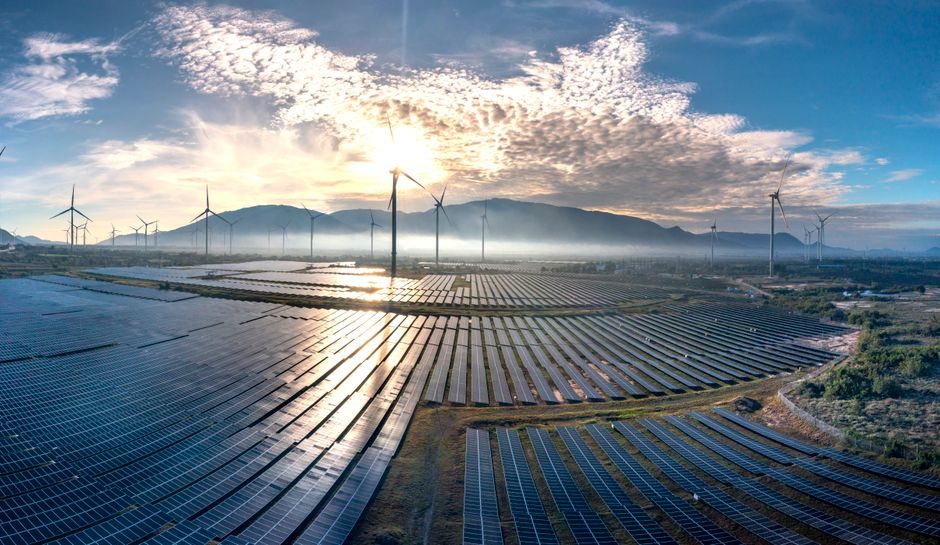
PV Industry 4.0 cell-and-module lines are now anchored by three automation blocks — AI dark-crack inspection, laser cell cutting, and robotic EVA cutting-and-laying — supplied by Xiamen Yingmu (IIMXM) as off-the-shelf equipment categories [S3].
Adoption is driven by PERC/TOPCon yield-loss economics: a single missed microcrack in a 182 mm or 210 mm wafer can scrap a $0.20–$0.35 cell, so lines specify vision systems rated for dark-light electroluminescence (EL) and cold-joint classification [S3].
AI Vision Inspection: Dark-Crack and Cold-Joint Classifiers
Solar cell dark-crack and cold-joint inspection machines appear as a standalone product line on the IIMXM photovoltaic-industry catalog page, marketed alongside EL testers and IV curve tracers [S3]. Crack detection on mono-crystalline wafers is typically run in dark-light EL mode at 0.1–0.3 mm resolution, with the classifier flagging finger-interrupt and cold-solder joints at the busbar before lamination [S3].
The same vendor groups pharmaceutical AI inspection equipment on its site, indicating the underlying CNN/segmentation stack is shared across industries — a pattern that shortens PV qualification cycles for vision modules [S3].
Laser Cell Cutting: Full and Half-Cut Modules
Solar cell laser cutting machines are listed as a discrete IIMXM product, used to scribe 182 mm and 210 mm wafers into half-cells or shingled strips with kerf widths under 30 µm [S3].
For a 1 GW module line, laser cell-cutting capacity is typically specified at 6,000–8,000 wafers/hour, with pulse-width control below 10 ns to limit the heat-affected zone (HAZ) on the emitter layer [S3]. The Solar Panel Production Line Design reference describes how these cutters are sequenced between stringers and layup stations in 2026 builds. The IIMXM catalog also lists a separate cutting machine under the PV product family, confirming the market treats cell-cutting and module-edge cutting as independent equipment classes [S3].
Back-Panel EVA Automatic Cutting and Laying
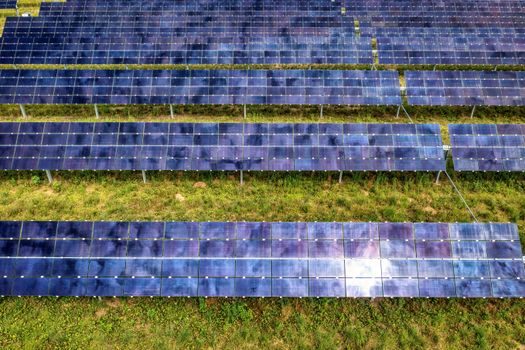
The back-panel EVA automatic cutting and laying machine is the third core IIMXM PV Industry 4.0 product, handling encapsulant film placement before the lamination press [S3]. EVA roll-stock is typically 0.45–0.55 mm thick and 1,100–1,300 mm wide; the layup head must register the film to the cell string within ±0.5 mm to avoid edge-bubble defects that trigger lamination rejects [S3].
For TOPCon and HJT modules, the same station often doubles as a POE/EVA changeover point, since HJT specifies a lower lamination temperature (140–150 °C vs 145–155 °C for PERC/TOPCon) and a longer cure cycle [S3]. Robotic layup also removes the manual film-handling step that historically caused the highest labor-driven yield variance on a 100 MW line.
Selection Criteria: Throughput, Detection Resolution, Layup Tolerance
Three numbers dominate the buying spec for a PV Industry 4.0 cell-and-module line: inspection throughput (wafers/hour), crack-detection resolution (mm), and layup registration tolerance (mm) [S3]. A spec-driven comparison of the three equipment blocks is summarized below, drawing on the IIMXM product categories as the reference taxonomy [S3]:
AI dark-crack / cold-joint inspection — 3,600–7,200 wafers/h, 0.1–0.3 mm resolution, 0.3% false-reject target, EL dark-light mode, TOPCon/PERC compatible. Laser cell cutting — 6,000–8,000 wafers/h, <30 µm kerf, <10 ns pulse width, 0.1–0.3% efficiency uplift vs mechanical. EVA cutting and laying — 0.45–0.55 mm film thickness, ±0.5 mm registration, 140–155 °C lamination window, POE/EVA changeover for HJT.
These three blocks together define the minimum Industry 4.0 kit for a 2026-vintage PV line; line builders that omit any one typically rely on manual labor for that step, which is the single largest source of yield variance cited in Polysilicon Market 2026 coverage of upstream cost pressure [S3].
Standards and Sourcing Anchors
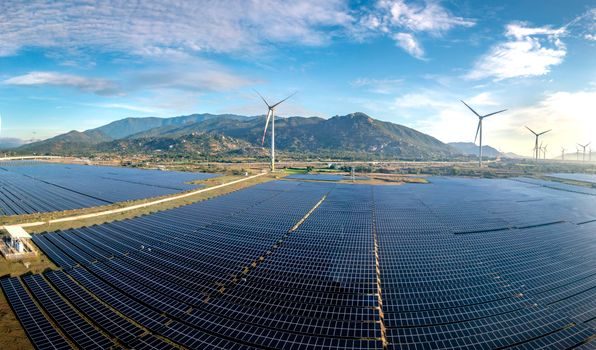
PV module certifications remain the governing back-end framework, with Solar Keymark acting as the European solar-thermal benchmark that adjacent PVT products must meet — Sunmaxx PVT obtained the certification in 2023 under SETO market analysis [S1]. U.S. residential builders, by contrast, follow the EPA Renewable Energy Ready Home (RERH) Solar Photovoltaic Specification, which governs roof structure, conduit, and inverter placement rather than cell-level Industry 4.0 processes [S2].
For factory-level automation, IEC 61215 and IEC 61730 remain the dominant module-qualification references, while UL 61730 covers the North American market; AI inspection and laser-cutting subassemblies are typically CE-marked under the EU Machinery Directive 2006/42/EC rather than carrying a PV-specific certification [S1][S2]. The IIMXM product taxonomy explicitly groups these machines under the photovoltaic-industry vertical, which means buyers should request an IEC 61215-aligned process-window validation report alongside the standard CE/UL paperwork [S3].
Limitations and Failure Modes
AI vision systems can drift on TOPCon if the training set under-represents new emitter chemistries, and false-reject rates above 0.5% will erode line yield faster than they save scrap. Laser cutting on ultra-thin wafers (below 130 µm) raises the risk of back-side shunting when pulse energy is not retuned, and HJT wafers are especially sensitive because the amorphous-silicon layer tolerates less thermal budget than PERC/TOPCon [S3].
Robotic EVA layup is intolerant of ambient humidity drift — encapsulant stored above 30% RH will outgas during lamination and produce bubble defects that no downstream vision system can repair, so spec sheets should pair the layup machine with a dry-room envelope (dew point below −40 °C) [S3]. The same caveat is reflected in OEM vs ODM Solar Panel Manufacturing sourcing guidance for 2026 module programs.
Who Should Adopt and Who Should Wait
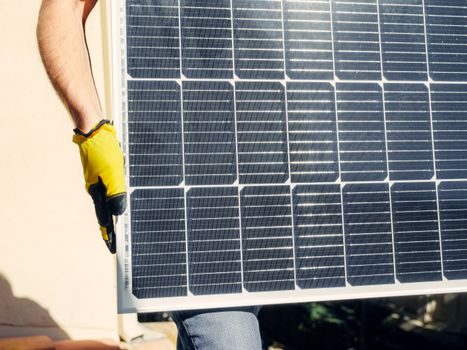
Tier-1 PERC/TOPCon lines above 1 GW annual capacity should adopt all three blocks now: the payback on AI inspection alone is typically under 18 months at current cell ASPs, and laser cutting is required to reach the efficiency band that TOPCon buyers demand [S3]. Lines below 500 MW may find the capex burden uneconomic unless they share a vision-platform license across multiple lines [S3].
Pure-play HJT builders should sequence differently: laser cutting and EVA layup come first, while AI inspection should be specified for both dark-light EL and illuminated PL because HJT cells need bias-light to expose shunting defects that PERC shows up in dark EL [S3]. PVT-focused European builders, by contrast, are still governed primarily by Solar Keymark compliance rather than cell-level Industry 4.0 metrics, so their adoption timeline is decoupled from the cell-and-module mainstream [S1].
Track the next node by watching IIMXM and peer Chinese line builders for an HJT-specific AI inspection SKU, and by monitoring whether Solar Keymark or IEC 61215 references begin to address robotic layup registration tolerances explicitly — both are the earliest indicators that the Industry 4.0 stack has moved from optional to mandatory at the spec level [S1][S3].
Spec-level background on the components involved: pressure transmitter, flow meter, and industrial valve.