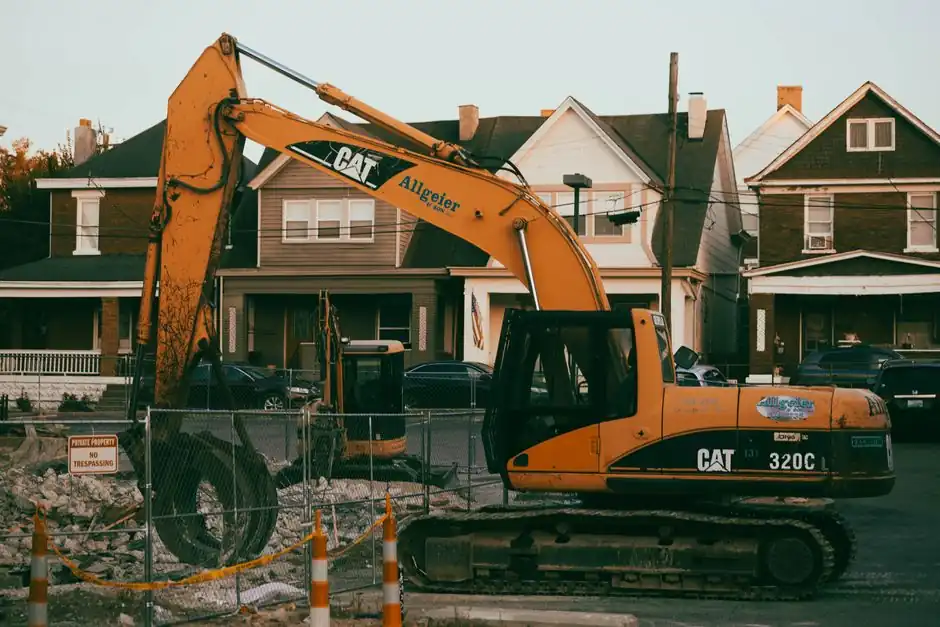
Demolition-phase pile driving is dominated by hydraulic impact and vibratory hammers sized to the carrier, with 200-300 piles/day being the typical productivity target on solar and guardrail sites [S4]. Selection starts with three variables: pile type (sheet, H-beam, pipe, timber), soil class, and the host machine's hydraulic flow in GPM at a stated PSI [S4].
Modern hydraulic vibratory pile drivers install sheet, H-beam, steel pipe, and timber piles, with interchangeable clamp heads and 360° rotation for excavator- or crane-mounted carriers [S1]. Choosing between impact, vibratory, and diesel hammer classes is the single most consequential decision on a demolition package, because each class trades speed, noise, and soil suitability differently [S3].
Three Hammer Classes, Three Operating Windows
Hydraulic impact hammers transfer force through a controlled ram stroke and are the quietest of the three hammer classes, which makes them the default for city demolition where noise limits apply [S3]. Diesel impact hammers use a two-stroke diesel engine to lift and drop a heavy ram, delivering the highest energy per blow and the deepest penetration, which is why they dominate marine and heavy infrastructure driving near water [S3]. Vibratory drivers use high-frequency vibration instead of impact, with reduced noise, faster cycle times, and lower operating cost, and they are most effective in loose, granular soils and for sheet pile extraction [S1][S3].
The energy class matters: mid-range hydraulic hammer power, expressed in Joules, is calibrated to drive 3-6m concrete and precast piles for small installations and self-built structures, while larger diesel rigs extend that envelope to bridge piers and cofferdams [S4][S5]. Air or steam double-acting hammers sit in a fourth niche, using compressed air or steam for faster, shorter strokes in cohesive soils, but are now rare on demolition rosters outside specialty marine contractors [S3].
Hydraulic Specs That Actually Drive Productivity
Two numbers on the attachment data sheet decide whether a pile driver will perform on your host machine: GPM (gallons per minute) and PSI (operating pressure). GPM controls the cycling speed of the hammer; higher flow increases stroke rate and directly raises piles-per-shift output, which is the productivity variable that ties back to the 200-300 piles/day benchmark on high-volume solar and guardrail work [S4]. PSI controls penetration force into dense or rocky ground; without sufficient pressure the hammer will not reach full impact energy and the pile will refuse before reaching design depth [S4].
Couplers and accessories multiply the value of the base unit: a single hydraulic power pack can swap between a pile-driving hammer, a DTH (down-the-hole) hammer for rock sockets, and an extraction clamp, provided the carrier delivers both the flow and the pressure the attachment needs [S4]. When a DTH attachment is added for rock, an auxiliary air compressor supplies the percussive air, so air delivery becomes a third hydraulic spec to confirm before mobilization [S4].
Matching the Hammer to Soil and Pile
Soil class is the second hard constraint after carrier hydraulics. Loose granular soils and recent fill respond well to vibratory drivers, with sheet pile extraction often faster than installation on the same rig [S3]. Cohesive clays and dense glacial till demand impact energy: a hydraulic impact hammer for urban noise limits, a diesel hammer where the higher per-blow energy offsets slower cycle time and the site tolerates the noise [S3]. Rocky ground and boulder fills typically require a DTH pre-drill through the obstruction before the production pile is driven, and the carrier must be sized for both the rotary drill and the hammer [S4].
Pile material is the third filter. Steel H-beams and pipe piles tolerate high-impact driving and are the standard for demolition shoring and temporary foundations. Steel sheet piles drive and extract cleanly with vibratory rigs, which is why they dominate cut-off walls and basement retention. Concrete and precast concrete piles need a pile cushion, usually a wood or composite buffer, between the helmet and the pile head to absorb impact and prevent spalling [S3]. Timber piles remain cost-effective for small jobs and marine fenders but are limited in length and capacity [S3][S5].
Decision Matrix: Which Hammer Goes on Which Demolition Job
For demolition shoring on a tight urban site, where a 30-50 dB reduction versus diesel driving matters, the hydraulic impact hammer on a 20-30 ton excavator is the standard fit, typically demanding 60-120 GPM at 3,000-4,500 PSI from the carrier [S3][S4]. For marine demolition, bridge pier removal, and large cofferdam work, a diesel impact hammer on a crawler crane delivers the per-blow energy that dense overwater soils demand, at the cost of higher noise and the need to manage exhaust in enclosed work [S3][S5]. For sheet pile retention systems, basement cutoff walls, and solar farm pile fields where 200-300 piles/day is the target, a hydraulic vibratory driver with 360° rotation and interchangeable clamps is the productivity leader, and it doubles as the extraction tool at the end of the project [S1][S4].
For temporary works where the pile will be pulled in weeks, vibratory extraction reverses the install cycle with minimal vibration damage to nearby structures, which is why rental fleets favor vibratory side-grip units for phased demolition programs [S1]. For confined interior demolition, where headroom rules out a tall leader and a crane cannot access, a compact excavator-mounted hydraulic hammer in the 3-6m pile range is the realistic ceiling, matching the small- to mid-scale spec band published for self-built and small-installation work [S4].
Failure Modes and Mis-Selection Costs
Under-spec'ing PSI on a hydraulic impact hammer shows up as premature pile refusal: the hammer cycles but the pile stops gaining depth, and the operator chases the problem by adding more blows, which fatigues the pile and the carrier hydraulic system [S4]. Over-spec'ing hammer energy for the pile section cracks concrete piles at the head and bursts thin-wall pipe pile welds, so the helmet and pile cushion must match the hammer's rated energy, not just the pile diameter [S3].
Using a vibratory driver in dense clay or glacial till is a slow, unproductive operation that often ends with the operator swapping to an impact hammer mid-shift, doubling mobilization cost. Running a diesel hammer inside an enclosed basement or near occupied structures routinely fails the local noise ordinance and stops the job; if the work cannot be done with a hydraulic impact or vibratory unit, the schedule has to account for permit-limited drive windows [S3]. Pairing a pile driver with a carrier that delivers neither the GPM nor the PSI the hammer nameplate demands is the most common mobilization error and is solved before purchase by matching the hammer's required flow and pressure curves to the excavator's auxiliary hydraulic circuit [S4].
Carrier, Clamp, and Accessory Match
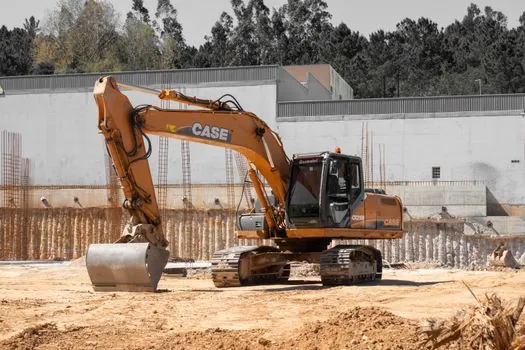
Excavator-mounted side-grip drivers with 360° rotation and tilting are the dominant configuration for demolition contractors because the same machine already on site for digging can swap to a pile head without a separate crane mobilization [S1]. Crane-suspended leaders are still required for very long piles, for verticality-critical work such as cofferdam walls, and for marine work where the crane barge sets the pile template [S5]. Solar pile drivers and guardrail post drivers are a sub-class built around a smaller carrier, typically 5-15 ton, and are configured for high repetition rather than heavy energy [S4].
Clamp selection is the under-discussed variable: the same power unit can drive sheet pile, H-beam, pipe, and timber, but only if the clamp jaws match the section. Side-grip units change jaws in the field, which is why they are the rental fleet default [S1]. For demolition work that also requires pile breaking on the extraction side, the same supplier typically stocks a pile breaker attachment that mounts to the carrier and splits the pile head for removal and recycling [S1].
Safety, Standards, and Sourcing Notes
Pile driving on demolition sites falls under general construction safety regulations for lifting appliances and for noise exposure; the operator-side hazards are dropped loads from the hammer, hydraulic injection from burst hoses at 3,000-4,500 PSI, and hand injuries during clamp changes, all of which are addressed by standard lockout, pre-use hydraulic inspection, and exclusion-zone procedures around the leader [S3][S4]. Ground-borne vibration from vibratory drivers is a separate concern near existing structures and is typically managed by pre-survey and vibration monitoring rather than by equipment choice alone [S3].
Buyers should confirm three documents before signing: the hammer's rated energy curve in Joules against the heaviest pile to be driven, the GPM/PSI requirement plotted against the carrier's auxiliary hydraulic curve, and the clamp-jaw compatibility list for the specific pile sections on the project [S4]. For demolition contractors running mixed fleets, cross-referencing the pile driver spec sheet against adjacent machine specs, such as a skid steer loader selection for material handling or a motor grader selection for site access, keeps the package consistent and reduces mobilization friction [S1][S4].
Trackable signals for the next planning window: hydraulic attachment suppliers expanding side-grip clamp inventories for H-beam and pipe sections, and rental fleets adding mid-range diesel hammers in the 5-7 ton ram class to cover the gap between small hydraulic units and large crawler-crane diesel rigs [S1][S4].
Spec-level background on the components involved: demolition hammer, and pressure transmitter.