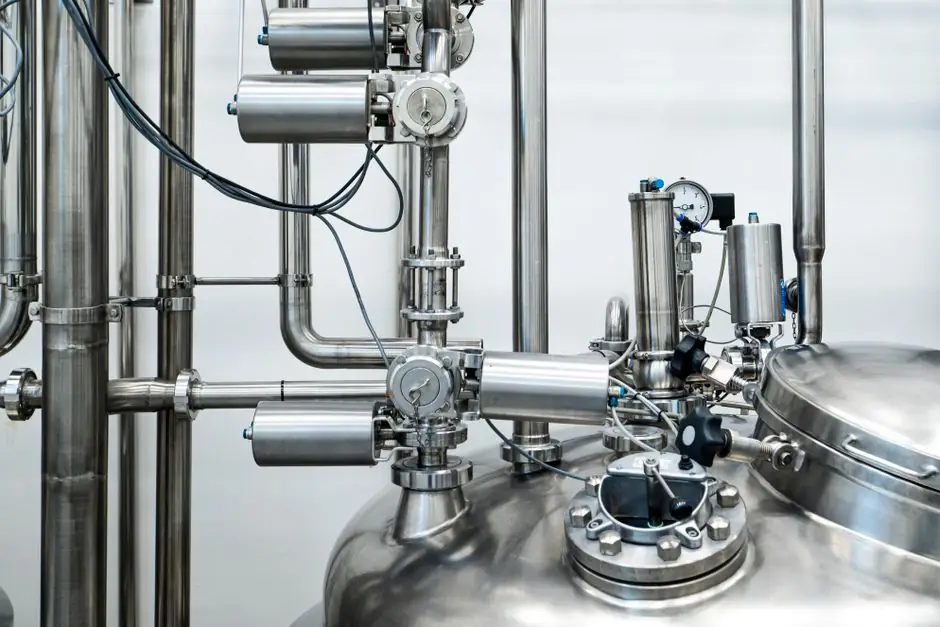
A pinch valve controls flow by externally compressing a reinforced elastomer sleeve, creating bubble-tight shut-off even in abrasive or solids-laden processes, with no metal wetted parts [S2]. For chemical service the operating mechanism sits outside the flow path, so the process medium only contacts the elastomer sleeve, which is the wear part engineers plan to replace [S3].
Composit rates its pinch valves for pressures up to 16 Bar across the standard range, with elastomer sleeves available in natural or synthetic rubber compounds reinforced with a fabric carcass [S3]. The selection question in chemical service is not whether a pinch valve works, but where it is the right tool versus a ball valve, lined valve, or diaphragm alternative, and which sleeve compound matches the specific chemical and temperature window.
What a Pinch Valve Is, and Why That Matters in Chemical Service
A pinch valve is a 2/2-way valve designed to shut off or control the flow of corrosive, abrasive, or granular media, using an elastomer sleeve pinched from the outside by a mechanical, pneumatic, or electric actuator [S7]. The valve body, often cast iron or steel depending on climate and installation, never touches the process fluid; only the sleeve does [S3].
Two consequences flow from that architecture. First, the wetted surface is one homogeneous elastomer part, so there are no crevices, seats, or stem packing cavities where chemical attack or solids can accumulate, which is why pinch valves handle slurries, powders, and granular chemicals without the clogging that plagues rigid-seat designs [S3]. Second, the only wear part is the sleeve, and replacing a sleeve is significantly less expensive than rebuilding a lined metal valve, which shifts maintenance philosophy from overhaul to planned sleeve swap [S3][S5].
AKO Armaturen supplies chemically rated air-operated pinch valves with flange, internal thread, weld-on, tri-clamp, and threaded hose nozzle connections, with dedicated sleeve grades for the chemical industry and a documented REACH/RoHS compliance path [S4]. Connection flexibility matters in retrofits, where flanged ANSI or DIN bodies bolt into existing chemical skids without pipe rework [S2].
Selection Criteria: Pressure, Temperature, Media, and Sleeve Compound
Pinch valve selection in chemical service is driven by four coupled parameters: operating pressure, temperature envelope, chemical compatibility of the sleeve, and abrasion load. Composit sizes its standard line to 16 Bar, which covers most low-to-mid pressure chemical duties but rules out high-pressure steam and supercritical services [S3]. The temperature ceiling is set by the elastomer, not the body, and natural rubber, EPDM, NBR, FKM, and other compounds each carry a different upper limit, which the manufacturer publishes per grade [S4].
For aggressive chemicals, the trade-off is explicit. Fluorine-lined valves (PFA, PTFE, FEP) are structured with fluoropolymers, not traditional rubber, making them ideal for hot strong acids and preventing the chemicals from damaging the internal areas of valves, while the pinch valve temperature limit is generally lower than lined valves [S5]. In practice, the sleeve compound chart is the binding document, and engineers should request it before finalizing the datasheet.
Connection style, body material, and actuator type are secondary but still critical. Pneumatic actuators are the most commonly used due to their fast response time and ease of automation, and Composit also offers manual, gear, and electric actuators for sites without instrument air [S3]. For hazardous-area chemical plants, the ATEX/IECEx variant of the same valve (electrically conductive sleeve, certified actuator) is the standard path rather than a special build [S4].
Pinch Valve vs Fluorine-Lined Valve vs Ball Valve: A Criteria Map
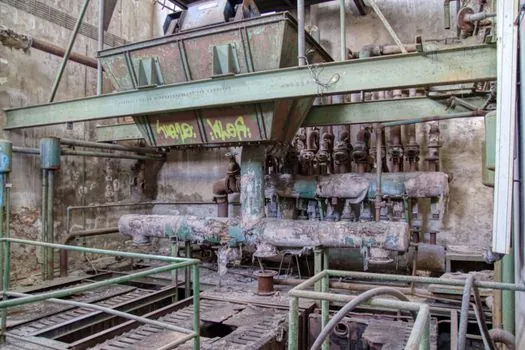
The three dominant choices for chemical isolation are pinch valves, fluorine-lined valves, and ball valve constructions, and each has a defensible niche. The table below condenses the published comparison [S5] into the four decision variables that drive most specifications.
Fluorine-lined valves score on corrosion resistance against hot strong acids, alkalis, and organic solvents, and on long lining life in clean chemical service, with the trade-off being higher upfront cost and the risk of lining crack over time if the valve is mishandled or cycled outside its thermal envelope [S5]. Pinch valves score on slurry and abrasive media, full-bore unobstructed flow, and sleeve-only maintenance, with the trade-off being limited chemical compatibility at elevated temperature versus a fluoropolymer liner [S5].
Ball valves, including metal-seated and soft-seated variants, sit between the two for clean, lower-abrasion chemical service and offer tighter bidirectional shut-off at higher differential pressures than a standard pinch valve, but they lose to pinch valves the moment solids, fibres, or crystallising media enter the line, because the ball cavity traps particles and scores the seat. The honest spec is: pinch for slurries and abrasives, lined for hot corrosives, ball for clean isolation at higher dP.
Real Chemical-Service Use Cases and Where Pinch Valves Win
Pinch valves are specified across the chemical industry for dosing, transfer, and isolation of abrasive or solids-bearing media, with documented applications in pigments, lime slurries, calcium carbonate, polymer latex, and chemical waste [S4]. The full-bore, pocket-free internal geometry is the reason: the design contains no pockets, cavities, or complex internal mechanisms where material can accumulate, which is decisive for pigment and polymer latex service where build-up on a ball or gate seat would shift the seat profile within weeks [S3].
For the chemicals and reagents industry, including acids, alkalis, and aggressive media, the wear-resistant rubber sleeve makes pinch valves a credible option for lower-temperature service, with the explicit caveat that hot strong acids above the sleeve's thermal limit belong on a lined valve [S3][S5]. A practical split used by operators is this: route abrasive and solids-bearing chemical streams through pinch valves, and route clean, hot, strongly acidic streams through fluorine-lined valves, with a ball valve kept in reserve for clean block-valve duty at higher differential pressure.
On wastewater and effluent within the chemical plant, the flexible sleeve of a pinch valve is also well suited to primary wastewater processing, where the flowing medium includes sewage, activated sludge, and low-pressure aeration gas, and where the cost of unplanned downtime from a clogged seat is far higher than the cost of a scheduled sleeve change [S5]. When the duty shifts to abrasive chemical slurries in pigment, mineral, or catalyst production, the same valve architecture applies, and the selection driver is sleeve compound and pressure class, not the valve type.
Failure Modes, Limits, and What to Watch in the Datasheet
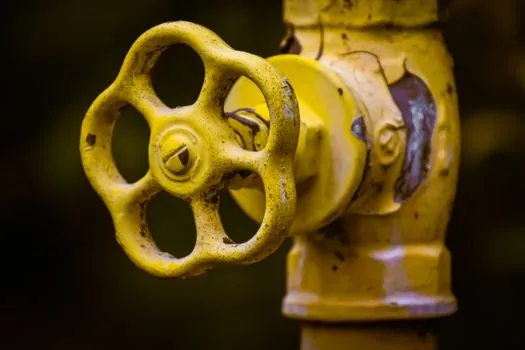
Every pinch valve has three documented failure modes: sleeve wear, sleeve chemical attack, and over-pressure deformation. Sleeve wear is the designed-in maintenance event, and the cost of replacing a sleeve is significantly less expensive than repairing other types of industrial valves, so operators plan for it on a cycle basis rather than treating it as failure [S3]. Sleeve chemical attack is a selection error: if the elastomer compound is wrong for the medium, the sleeve softens, swells, or cracks well before its wear life, and the fix is to re-spec the compound, not the valve [S5].
Over-pressure deformation is the hard limit. Above the rated pressure, the sleeve can extrude into the pinch gap or rupture; Composit publishes a 16 Bar ceiling for its standard line and that figure should be respected with margin [S3]. Temperature is the other ceiling: the pinch valve temperature limit is generally lower than lined valves, so a process running above the sleeve's published upper limit must move to a fluoropolymer-lined alternative or a metal valve with a high-temperature packing arrangement [S5].
For hazardous-area chemical service, confirm the sleeve is electrically conductive and the actuator carries the correct ATEX or IECEx marking, rather than assuming a standard pneumatic build is acceptable in Zone 1 or Zone 2 [S4]. The certification, not the body colour, is the legal compliance point.
Sourcing, Standards, and Spec Checklist
A defensible chemical-service pinch-valve datasheet includes: pressure class, temperature range, sleeve compound and its chemical compatibility statement, full-bore diameter, end connection (flanged ANSI/DIN, threaded NPT/BSPP, weld-on, tri-clamp, or threaded hose nozzle), actuator type, hazardous-area certification, and a published sleeve-replacement interval [S2][S3][S4]. Composit publishes a 16 Bar pressure ceiling and identifies natural and synthetic rubber compounds with a fabric carcass as the standard sleeve construction [S3]. AKO publishes a chemical-industry product line with flange, internal thread, weld-on, tri-clamp, threaded spigot, and semi-silo trailer connections, plus an Ex-area variant with electrically conductive sleeves for hazardous zones [S4].
Operators should cross-check the sleeve compound against the specific reagent list, not against a generic chemical class, because temperature and concentration shift compatibility, and a compound that handles 10% caustic at 25 °C may fail in 30% caustic at 60 °C. The standard for elastomer chemical resistance is typically referenced via the manufacturer's compatibility tables, and the valve body standards for flanged ends align with ANSI B16.5 / DIN PN patterns, which the AKO catalogue maps directly to its VMC and VF flange series [S4]. For the broader polymer and elastomer selection logic that ties into sleeve choice, the Industrial Lubricant Selection for General Fabrication: A Spec-Anchored Map and the PEEK selection for marine engineering reference cover the same compound-by-pressure-by-temperature discipline applied to different wetted polymers.
The next two signals to track into Q4 2026 are published sleeve compound updates from the major chemical-rated pinch-valve lines (AKO, Composit, and equivalents) and any new ATEX/IECEx dual-certified actuator offerings that let plants standardise on one valve SKU across Zone 1 and Zone 2. A third trackable node is the release of a 25 Bar-class elastomer sleeve, which would extend pinch valves into mid-pressure chemical service currently reserved for ball valve and lined butterfly designs.
The underlying component specifications are covered under chemical anchor.