
Plastic tubing is specified by resin family — HDPE, LLDPE, PP, PVC, nylon, polyurethane, TPV, EVA, ABS, polycarbonate and PVDF — with selection driven by working temperature, chemical exposure, pressure rating and food/water certifications [S2][S3].
US-based extruders such as Hudson Extrusions operate under ISO 9001:2015 with certificate 95:160, supplying metric and fractional nylon 6/11/12, NSF 51 HDPE/LLDPE, ester and ether PU, and TPV 64/73 grades [S2]. H.D. Plastics (12 years in custom extrusion) covers PVC, ABS, PC, PMMA, HDPE and PVDF tubing with in-house die design and 100% OEM customization [S3].
Resin Family Comparison: Temperature, Chemical and Pressure Bands
HDPE tubing delivers good chemical and abrasion resistance with the flexibility to handle general-purpose fluid handling, while LLDPE adds superior stress-crack resistance for bending and vibration duty [S2]. PP tubing is the choice where clarity and chemical resistance both matter, especially in NSF 51 food-contact lines [S2].
Nylon 6, 6/6, 11 and 12 grades are the high-pressure workhorses with high working pressure ratings and good abrasion resistance; clear nylon 6 and metric nylon 6 extend the line into visual and European-spec markets [S2]. Flexible PVC keeps low-pressure duties simple with flexibility and clarity, while EVA replaces vinyl where oil and grease resistance is required [S2].
Readers comparing elastomer and resin behaviour across pneumatic, hydraulic and process lines can cross-check baseline properties in the pneumatic tubing encyclopedia entry and the broader engineering plastic reference.
Specialty and High-Performance Grades
TPV 64 and TPV 73 tubing withstand elevated operating temperatures where standard TPE or PVC would soften, with food-grade TPV 73 available for direct-contact service [S2]. Spira-Tube polyethylene — a spirally cut sleeving — bundles multiple lines into one manageable run while protecting against chafe [S2].
For chemically aggressive or high-purity service, PVDF tubing (hard, white and milk-white variants) and polycarbonate tubing (clear and matte LED-diffusion grades) are stocked as part of the Asian custom-extrusion catalogue [S3]. ABS extruded tubing and square pipe, plus PMMA acrylic rod and tubing, round out the rigid side of the offering [S3]. Engineers working on parallel fluid-handling decisions — pumps, valves and couplings — will recognise the same resin-comparison logic in this fluid coupling selection map.
Certifications and Compliance Markers
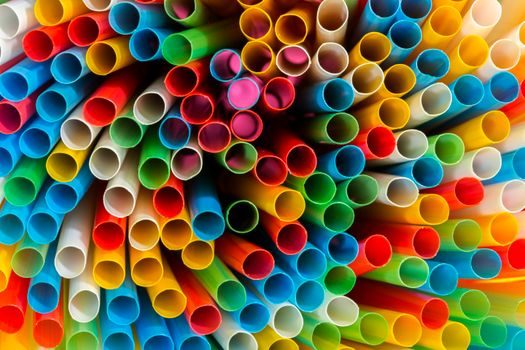
NSF 51 covers plastic materials for food-equipment components, while NSF 61 governs drinking-water system components — both are explicitly offered on Hudson's HDPE and LLDPE tubing lines [S2]. Hudson's manufacturing runs under ISO 9001:2015 with certificate 95:160, a baseline that procurement teams verify during supplier qualification [S2].
For beverage, dairy and potable-water builds, NSF 51/61 grades are the first filter; for pharmaceutical or semiconductor wet benches, fabricators typically step up to PP, PVDF or post-processed fluoropolymers — though the source material here covers only the commercial extrusion catalogue, not the high-purity literature [S2][S3]. Buyers evaluating tubing alongside structural plastic components such as pallets, racks and pipe supports should also review the plastic pallet encyclopedia entry for load-class context.
Custom Extrusion and OEM Capability
H.D. Plastics runs an in-house mold shop, providing free mold design and lifetime tooling support for OEM customers, with coextrusion capability for multi-material profiles [S3]. The Chinese supplier lists PVC, ABS, PC, PP, HDPE, ASA and PMMA as standard materials, with 100% customizable cross-sections from customer CAD [S3].
For complex profiles — anti-UV PVC shells, fire-retardant battery cases, matte PC LED covers — coextrusion allows a soft seal alongside a rigid body in a single run, cutting downstream assembly [S3]. Hudson's complementary service covers custom plastic profiles plus stock thermoplastic profiles for short lead-time builds [S2]. Procurement teams comparing profile extrusion to other custom processes can benchmark against the foam fabrication supplier spec map.
Selection Criteria and Sourcing Workflow
Specify resin first, then certification, then dimensional and pressure class: a typical workflow starts with the fluid chemistry, the working temperature band, the pressure rating and any regulatory marker (NSF 51/61, FDA, USP Class VI) before quoting OD/ID and coil length [S2][S3].
Pressure-rated pneumatic and instrumentation lines default to nylon 6 or 12, ether-based PU, or LLDPE; chemical or food lines default to PP, HDPE NSF 51/61, or PVDF; hot-fluid and under-hood lines default to TPV 73 or high-grade nylon [S2]. When the application extends to fluid power, the same selection logic flows into electric ball valve body and duty selection for downstream shut-off. Sourcing channel: Thomasnet-listed US and international tubing manufacturers for stock and metric sizes [S1], OEM extruders such as Hudson for ISO 9001:2015 production and NSF 51/61 grades [S2], and Asian custom shops such as H.D. Plastics for PVC, ABS, PC, PMMA and PVDF profiles and tubing with in-house die design [S3].
Limitations and Failure Modes
Flexible PVC softens at elevated temperature and is not specified for hot-oil or high-pressure pneumatic service; EVA is the typical substitute where oil/grease resistance is required but temperature remains moderate [S2]. Nylon tubing absorbs moisture and changes dimension and pressure rating with humidity, which is why nylon 11 and 12 are preferred over nylon 6 for marine and outdoor use [S2].
LLDPE and LDPE tubing carry lower pressure ratings than nylon or reinforced PU and will creep under sustained load; PP tubing becomes brittle below 0 °C and is not suited to sub-zero outdoor pneumatic lines without derating [S2]. For structural companion components — pipe supports, composite pipe, conduit — refer to the plastic pipe encyclopedia entry and the steel-plastic composite pipe reference.
Track these signals next: new NSF 51/61 listings from US extruders, expanded PVDF and PP-RCT inventories from Asian custom shops, and any ISO 9001:2015 surveillance audit results that move suppliers between approved-vendor tiers. For complementary materials and magnet-and-sensor subsystem design, the industrial magnet specifier map covers adjacent sourcing logic.