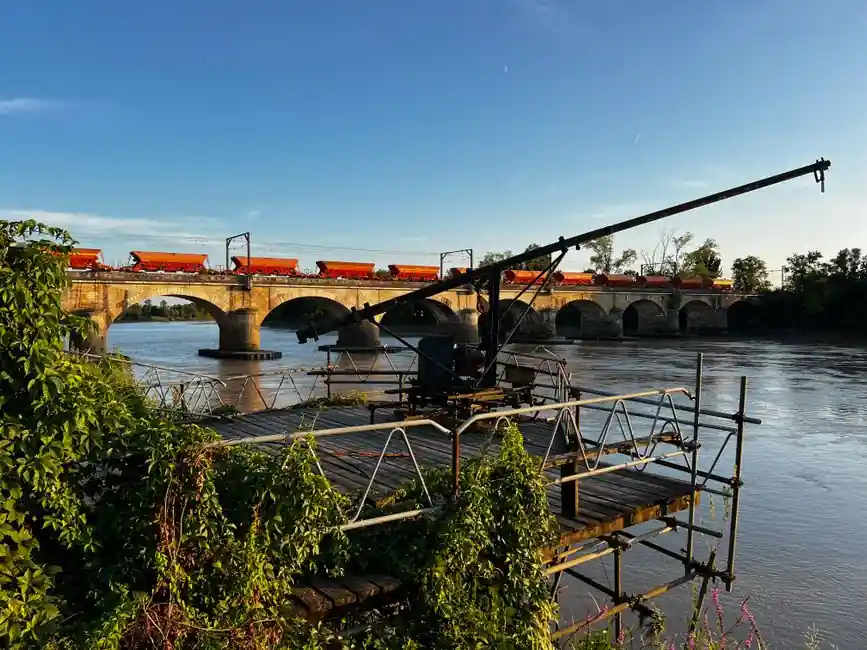
Bridge construction mixes three distinct material streams: cementitious grout for post-tensioning ducts, structural concrete for piers and decks, and ultra-high-performance concrete (UHPC) for field-cast connections. Each stream demands a different power mixer class, and a single drum mixer cannot cover all three without throughput penalties.
Portable drum mixers span 3 to 8 cu. ft. capacity, with electric models starting at 850 W motor input paired with 200 L drums [S2]. Standard batch output sits at roughly 400 lb per cycle, accepting a maximum of two 80 lb bags per batch [S2]. For higher-volume structural work, planetary, horizontal-shaft, and twin-shaft mixers dominate the UHPC and high-performance concrete segment [S7].
Mixer Types and Their Bridge-Site Fit
Drum-style mixers with rotating barrels and fixed paddles are the workhorses for general-purpose bridge work, available in capacities suited to small-batch grout and mortar production [S1]. Electric drum mixers stay quiet and low-maintenance, suiting enclosed pier-cap work or night-shift pours near residential zones [S1]. Towable drum mixers on trailer frames with gasoline or diesel engines serve remote abutments where grid power is absent [S1].
Pan (vertical-shaft) mixers use rotating paddles inside a stationary tub, delivering faster and more uniform blending for stiff or dry mixes such as dry-pack mortar and repair grout [S1]. Planetary, horizontal-shaft, and twin-shaft mixers are the three configurations most commonly specified for UHPC and high-performance concrete batching, with planetary units producing a characteristic shearing action valued in proprietary UHPC recipes [S7]. Handheld mortar mixers with interchangeable paddles handle bucket-quantity thinset, grout, and patching compound for tile or cosmetic concrete work [S5].
Selection Criteria: Capacity, Motor, Power Source
For electric cement and mortar mixers, motor power is the primary sizing variable, with 1/2 to 3/4 horsepower regarded as the minimum for smooth, efficient mixing of dense materials [S3]. Drum capacity for small to medium work typically falls in the 2 to 5 cu. ft. range, with larger drums reserved for projects that justify the added weight and footprint [S3]. Industrial-scale mobile and central-mix plants can reach 72,000 lb fully loaded weight for large bridge-deck pours [S2].
Power source selection follows site logistics: electric mixers fit sites with stable grid supply, are quieter, and eliminate fuel and oil change duties [S1][S3]. Gasoline and diesel towable units run where electricity is unavailable, with mid-sized models such as the IMER Workman II 250 and 350 fitted with Honda engines for field mobility [S5]. Mobility extras matter: heavy-duty wheels, trailer hitches, and towing tongues are standard on towable units sized for substantial sites [S5].
Decision Matrix: Matching Mixer to Bridge Task
Use a criteria-based comparison when specifying. For grout injection in post-tensioning ducts, a pan mixer or small electric drum (2-5 cu. ft., 1/2-3/4 hp) gives the wettest, most uniform blend in low-volume batches [S1][S3]. For pier, abutment, and deck concrete, portable drum units at 3-8 cu. ft. cover most pours, with twin-shaft and planetary mixers reserved for UHPC and high-performance concrete recipes [S2][S7].
For field-cast UHPC connections, planetary, horizontal-shaft, and twin-shaft configurations dominate, with planetary units producing a shearing action valued in dense steel-fiber blends [S7]. For handheld precision work (anchor bolt pockets, cosmetic patches, tile on architectural concrete), a handheld mortar mixer with interchangeable paddles outperforms drum units on control and waste [S5]. This matrix lines the four core options against capacity, mix quality, mobility, and power-source constraints so the right tool can be picked on the first pass.
Limitations, Failure Modes, and Sourcing
Manual mixing with shovels or hoes cannot match the speed or consistency demanded on bridge sites, with poor bonding and wasted material the typical failure outcomes when crews fall back on hand mixing [S1]. Electric units reduce maintenance but still require scheduled motor inspection, electrical-connection checks, drum cleaning, and lubrication of moving parts to avoid mid-pour downtime [S3]. Mortar is time-sensitive: once mixed, the working window for placement is limited, so drum residence time and cleanout discipline directly affect bond quality [S1].
Specifiers should confirm mixer ratings against project batch size, material viscosity, and ambient temperature, since stiff UHPC and cold-weather pours punish under-powered motors faster than standard concrete. Pairing the power mixer selection with the broader construction tools inventory on site, including hoists, overhead bridge cranes, and concrete mixer trucks, keeps the batch-to-placement chain unbroken. Related sand mixer configurations deserve a parallel look when high-volume fine-aggregate blending is in scope.
Cross-Reference: Adjacent Tooling for Bridge Sites
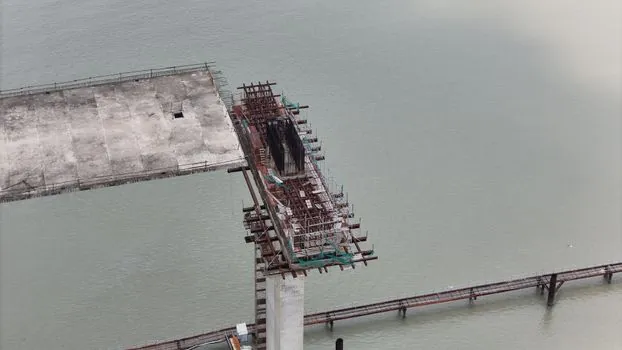
Drilling and demolition tooling around a power mixer selection is covered in the impact drill spec map for bridge construction, and concrete removal adjacent to mixer placement is detailed in the rotary hammer vs demolition hammer selection guide. For above-deck finishing work, the marble cutter selection for steel construction page tracks blade and power-class trade-offs that pair with the same mobility constraints as towable mixers. [S5]
The S4 ScienceDirect paper on truck-mixer drum selection (FDEA-based scenario modeling) is paywalled, so its full methodology is not in scope here; the broad lesson is that drum geometry and mixing energy are decision variables warranting structured scoring rather than brand habit. Verify each candidate mixer's published drum volume, motor curve, and cycle time against the project's hourly placement target before purchase or rental.