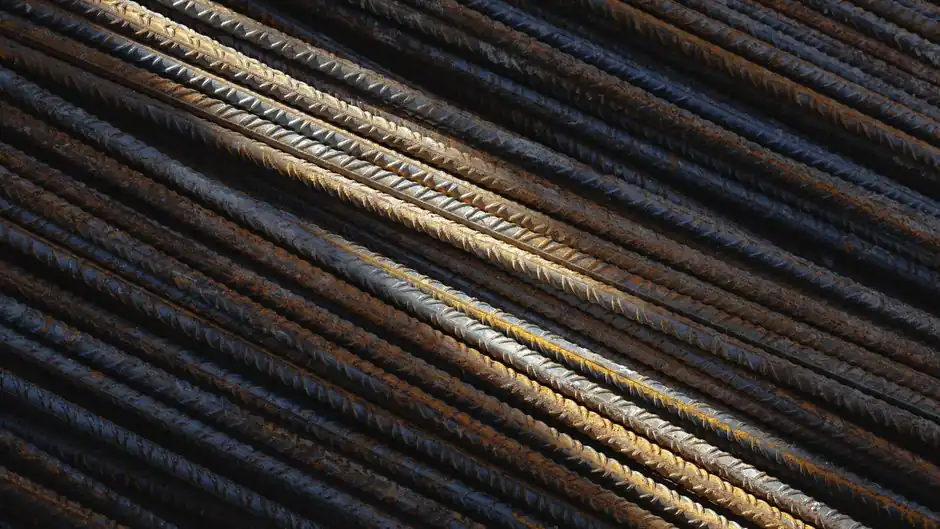
Specifying a rebar bender starts with the maximum bar diameter on the drawing and the daily bend count, not the price. Three classes dominate procurement in 2026: manual hand benders for D10-D16, electric portable bench units for D10-D25 at 2.0-2.2 kW, and hydraulic or CNC integrated machines for D28-D40+ [S1][S2][S4].
For typical steel-construction sites, the working envelope is 180 degree bends on Grade 60 (420 MPa) rebar at a cycle time near 5 seconds per bend, with motor ratings between 2.0 kW and 3.0 kW for the portable electric class [S4]. Anything above 32 mm diameter, or any project mixing stirrup, hoop, and large-radius bent-up bar schedules, should be screened against hydraulic and CNC options before purchase [S1][S2].
Manual rebar benders: scope, capacity, and where they fit
Manual benders for rebar cover diameters D10-D16 (roughly 0.375-0.625 inch) and are sized for intermittent use, typically under 200 bends per shift on small residential or utility work [S3]. They require no power, weigh 15-30 kg depending on capacity, and depend on the operator's leverage rather than a calibrated angle stop.
On Amazon's 2026 Best Sellers list, the most-purchased manual benders sit in the USD 20-25 band and target HVAC sheet-metal and small tube work, not structural rebar, a useful reminder that "bender" listings blur product categories [S3]. For procurement, treat this class as a fallback, not a primary tool on a steel frame.
Portable electric rebar benders: the 2.0-2.2 kW workhorse class
The portable electric bender market standard for D10-D25 mm rebar is a 2.0-2.2 kW single-phase motor with a 180 degree bend angle in roughly 5 seconds, per OEM product sheets on Made-in-China [S4]. Bending capacity is typically stated as 10-25 mm (0.375-1.00 inch), with angle accuracy driven by mechanical pin stops rather than digital encoders [S4].
These units weigh 80-150 kg and are moved around the slab by two workers or a small trolley. They are the default class for beam-column joint cages, slab mats, and typical foundation rebar where the largest bar is D25. The steel rebar being processed is usually Grade 60 (420 MPa yield) per ASTM A615, which all units in this class are designed to handle without preheating [S4].
Hydraulic and mini-hydraulic bender-cutters for D28-D32
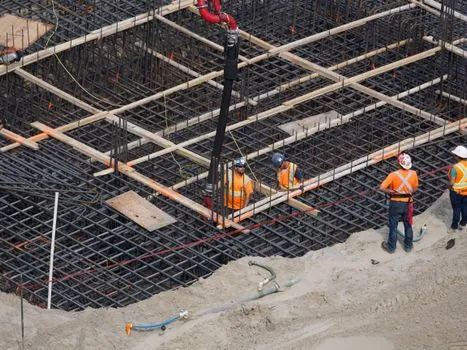
For bar diameters from 28 mm to 32 mm, the spec window shifts to hydraulic or mini-hydraulic bender-cutters. The Wqj-28 mini-hydraulic unit listed on Alibaba in July 2026 is a portable manual machine rated to 28 mm bar, combining bend and cut functions in one head [S1]. This class typically uses a hand-pumped or small electric hydraulic cylinder generating 30-50 MPa working pressure, with cycle times of 8-15 seconds per bend [S1].
Selection criteria here are straightforward: confirm the rated bar diameter matches the largest bar on the schedule (not the average), and verify that the bending pin and collar set match the bar's nominal size, since undersized collars mark the bend and oversized collars allow ovaling on rebar. For sites processing both D28 and D32 in the same shift, dual-rated heads are available but cost 30-50% more than single-size units [S1][S2].
CNC integrated bender-cutters: D40+ and high-volume yards
CNC steel-bar bending and cutting integrated machines cover D40 and above, and are the class of choice for prefabrication yards processing 5-20 tonnes of bent bar per shift. PROSPER (Hangzhou) Technology lists CNC Steel Bar Bending & Cutting Integrated Machines alongside portable rebar benders and desktop rebar benders as separate product lines, confirming the segmentation by capacity and automation level [S2].
Key specs in this class include servo-driven angle control (typically ±1 degree), automatic feed and straightener integration, and bend-cycle times of 3-6 seconds for D16-D32 with proportional scaling for larger bars. They pair naturally with a rebar straightener upstream and a rebar cutter downstream, since uncoiled coil stock needs straightening before precision bending [S2]. For shops feeding rebar couplers into column splices, see the rebar coupler compatibility notes for thread pitch and bar-end prep requirements.
Selection criteria: diameter, cycle time, power, and bend accuracy
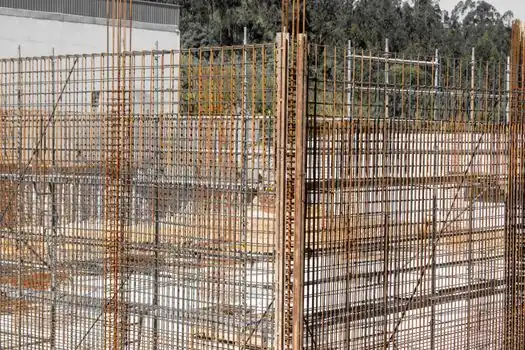
Four criteria drive the spec. (1) Maximum bar diameter on the schedule, plus 20% headroom, since undersized machines mark or fracture the bar at the bend. (2) Cycle time per bend, which sets daily throughput: 5 seconds for portable electric rebar bender units, 8-15 seconds for hydraulic, 3-6 seconds for CNC [S1][S2][S4]. (3) Motor power: 2.0-2.2 kW single-phase is the portable standard, 3.0 kW and above signals CNC territory [S4]. (4) Angle accuracy: mechanical pin stops deliver roughly ±3 degrees, while CNC servo systems reach ±1 degree [S2][S4].
Comparison of the three classes on the dominant decision criteria: | Class | Bar range | Power | Cycle / bend | Angle accuracy | Daily volume | |---|---|---|---|---|---| | Manual | D10-D16 | 0 (hand) | operator-dependent | ±5-10 degrees | under 200 bends | | Portable electric | D10-D25 | 2.0-2.2 kW | ~5 s | ±3 degrees | 1,000-3,000 bends | | Hydraulic / mini-hydraulic | D28-D32 | 1.5-3.0 kW + hand pump | 8-15 s | ±3 degrees | 500-1,500 bends | | CNC integrated | D10-D40+ | 7-15 kW | 3-6 s | ±1 degree | 5,000+ bends | [S1][S2][S4]
Use cases by project type
For low-rise residential and small foundations, a portable electric D25 unit paired with a rebar cutter is the cost-effective baseline and matches the bar schedule on most drawings in that segment [S4]. For mid-rise commercial and infrastructure (bridges, metro, water treatment), the bar schedule usually includes D28 and D32 in pile caps and transfer beams, which pushes the spec toward hydraulic or mini-hydraulic bender-cutters [S1][S2].
For high-rise cores and prefabricated rebar cages, the right answer is a CNC integrated line fed by a coil straightener, since hand-bent bars cannot hold the tolerance needed for slip-form and climbing-form construction. PROSPER's main-product line explicitly groups CNC integrated machines with vehicle scrapping and demolition tools under one roof, indicating the cross-industry demand for high-tonnage rebar processing in 2026 [S2].
Limitations, failure modes, and supplier signals
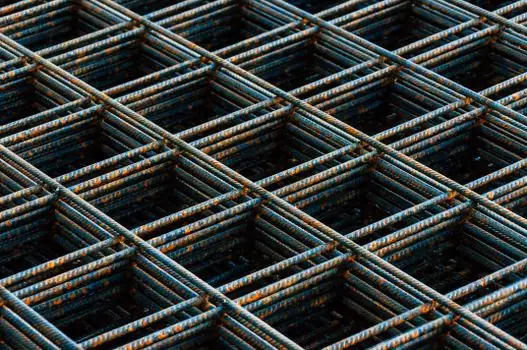
The most common procurement mistake is underspecifying the largest bar on the schedule rather than the average, which forces operators to preheat or multi-pass the bend, both of which damage the steel rebar microstructure at the bend zone. Cycle-time claims also need verification: the OEM-rated 5 seconds is the pure bend time, not the load-position-bend-unload cycle, which on a manual-feed portable unit is closer to 12-15 seconds [S4].
Supplier lead time is a trackable signal: PROSPER's off-season lead time is stated as within 15 workdays, with peak-season stretching to 1-3 months, an order-of-magnitude swing that should be priced into project schedules [S2]. For related process-engineering context on coil stock and rod selection feeding these lines, see the Wire Rod Selection for Warehouses: Grade, Size, and Duty Map reference, and for shops co-locating melting and bending capacity, the Induction Furnace Selection for Hardware Manufacturing guide covers the upstream feed. PROSPER's 5.0/5 average response time at or under 2.45 hours and Gold Member status since 2024 are public trust signals worth capturing before RFQ [S2].
