For LV electrical-installation work, hydraulic rebar cutters rated to 32 mm bar diameter (such as the HBC-232 hydraulic class) cover roughly 80-90% of on-site concrete-encased conduit, ground-rod anchor, and manhole reinforcement cuts [S1].
Selection centres on bar grade (HRB400/HRB500), bar diameter (8-32 mm), cut volume per day (50-300 cuts), and whether the unit runs from mains power, a 3 kW portable generator, or a 12 V/24 V DC battery pack, with the HBC-232 hydraulic and RC-series electric portable models representing the two dominant platform choices at US$450-500 ex-works [S1][S2].
Bar Diameter and Hydraulic Force Envelope
Rebar for electrical-installation reinforcement typically runs 8-25 mm for cable-tray supports, 12-32 mm for manhole and substation base slabs, and 16-25 mm for grounding-rod anchor cages. A hydraulic cutter rated to 32 mm at approximately 30 t cutting force handles the full envelope of HRB400 rebar in this scope without forcing a second machine onto the truck [S1].
Below 16 mm, a portable electric RC-series cutter at 1.5-2.0 kW typically delivers 15-20 t of shear, which is sufficient for thin slabs and tray-mount embedment plates but bogs down on continuous 25 mm+ cuts where heat build-up in the blade becomes the limiting factor [S2]. For purely LV electrical distribution work inside buildings, the 16-25 mm range is the design sweet spot, and a single 2.2 kW portable covers most call-outs.
Power Source and Site Logistics
Mains-fed hydraulic units (380-415 V three-phase) are common on new-build substations but require a stabilised supply or 5-10 kVA generator on remote pad-mount transformer sites, and the HBC-232 platform is documented in the 380 V class with a price tier of US$500/set at 1-9 sets dropping to US$450/set at 10+ sets [S1].
Single-phase 220 V portable electric units (RC-series) draw 1.5-2.5 kW and run on a standard 3 kVA site transformer or small inverter generator, which is why they dominate indoor switchgear-room and riser retrofit work where three-phase is unavailable [S2]. Battery 18 V/36 V cordless models now exist for rebar up to 16 mm, but cycle time per cut stretches to 8-12 s versus 2-3 s on corded hydraulic, so they are restricted to under 30 cuts/day. For a fuller comparison of platform types, see the rebar cutter reference page, which lines up hydraulic, electric, and cordless against bar grade, cut volume, and site power.
Cutting Speed, Duty Cycle, and Blade Wear
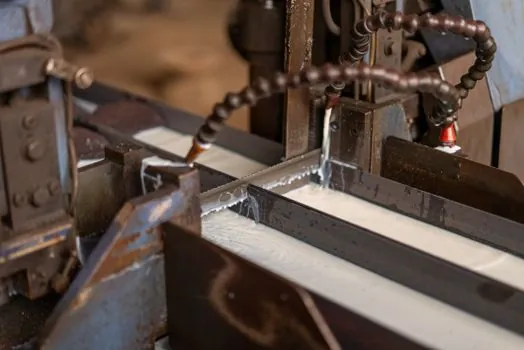
Hydraulic cutters at 30 t force typically complete a 25 mm HRB400 cut in 2-3 s, with a documented production capacity of roughly 2,000 cuts/month for the RC-series platform when blade sharpening is scheduled every 8,000-10,000 cuts [S2].
Electric portable models slow to 4-6 s per cut at 20 mm and require blade inspection every 3,000-5,000 cuts because the lower force ramps up blade-tip stress, particularly on HRB500 rebar where yield strength climbs to 500 MPa versus 400 MPa for HRB400. A practical acceptance criterion is a clean, square cut face with no secondary shear lip: any fish-hook burr longer than 2 mm indicates the blade has worn past its useful life and must be reground or replaced. Skip the cut if you see material deformation rather than clean separation, the bar is almost certainly above the cutter's rated capacity.
Selection Criteria Matrix: Hydraulic vs Electric Portable vs Cordless
Three platforms cover the electrical-installation scope: hydraulic (HBC-232 class), electric portable (RC-series), and cordless 18-36 V. The table below lines them up against the four decision criteria that drive the buy on a typical substation or cable-tray job [S1][S2].
Hydraulic units win on bar diameter (up to 32 mm) and continuous-cut rate (2,000/month), but lose on portability (typically 80-150 kg) and need three-phase power. Electric portable reverses that, lighter at 20-35 kg, single-phase 220 V, but capped at 20-25 mm and ~600 cuts/month before blade service. Cordless is the lightest at 8-15 kg but limited to 16 mm and under 30 cuts/day, and only fits low-volume retrofit work.
Integration with Rebar Bending and Tying on Site
Most electrical-installation rebar work follows a cut-bend-tie sequence, and pairing the cutter with a matching rebar bender from the same OEM simplifies spares, hydraulics, and operator training: the HBC-232 platform is sold alongside compatible benders, while the RC-series supplier lists rebar cutter, bender, tier, and tying machine as a single product family [S1][S2].
For grounding-rod anchor cages that need 90-degree hooks, the cut length tolerance should hold within +/- 5 mm, which a hydraulic cutter delivers consistently while a worn electric blade can drift to +/- 10-15 mm. For trench and manhole work where rebar is tied before pour, a rebar tier on the same platform keeps the operator from switching grip between a cutter, a bender, and a manual tying tool across an 8-hour shift.
Safety, Standards, and Common Failure Modes
The two recurring failure modes on electrical sites are blade shatter (caused by cutting oversized or work-hardened rebar) and hydraulic hose burst (caused by kinking the supply line across a cable tray). Both are mitigated by staying inside the rated bar diameter and routing hoses clear of pedestrian and vehicle paths. [S1]
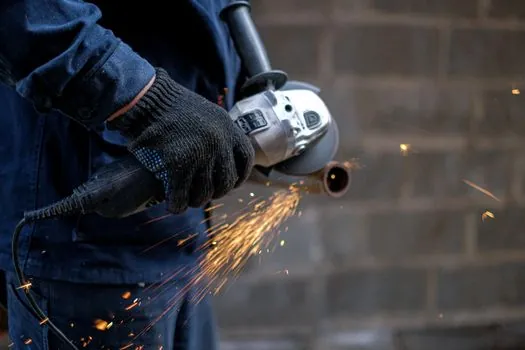
Standard PPE for rebar cutting on LV electrical sites includes ANSI Z89.1 Class E hard hat (for overhead cable-tray work), ANSI Z87.1 impact-rated eye protection (blade fragment ejection is the dominant injury vector), and cut-resistant gloves rated to ANSI A4 minimum. Hydraulic units add the requirement for a rigid whip-check on the hose connection. When the blade produces sparks or the cut face shows blue oxidation tint, the bar is harder than the blade's HRC rating and the cut should be stopped, not forced. For a deeper dive on the 2026 rebar cutter spec gates on general construction sites, see the companion article.
When Not to Spec a Standard Cutter

A standard HBC-232 or RC-series cutter is the wrong tool for stainless-steel rebar, galvanised ground rods above 25 mm, or pre-stressed tendon strands, all of which exceed the HRC envelope and will chip a standard blade within 10-20 cuts. [S1]
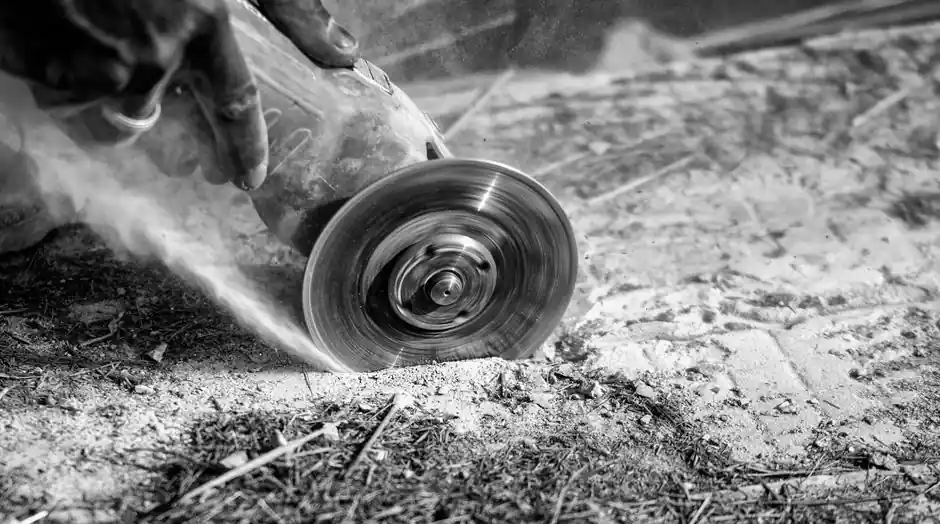
For pre-stressed work or demolition recovery where the rebar is in an unknown state, escalate to a dedicated demolition-duty rebar cutter with a heavy-blade option, or specify a diamond-disc abrasive saw instead. Standard hydraulic cutters are also the wrong pick for live switchgear rooms where hydraulic oil mist could contaminate insulators: use a manual ratchet cutter or battery cordless to avoid aerosolised oil, a constraint documented in the electrical measurement environment reference.
Track the next two signals before placing a bulk order: (1) whether your supplier confirms blade HRC rating in writing for HRB500 rebar at 25-32 mm, and (2) whether 36 V cordless platforms cross the 20 mm bar threshold before 2027, which would shift the spec for indoor retrofit work.