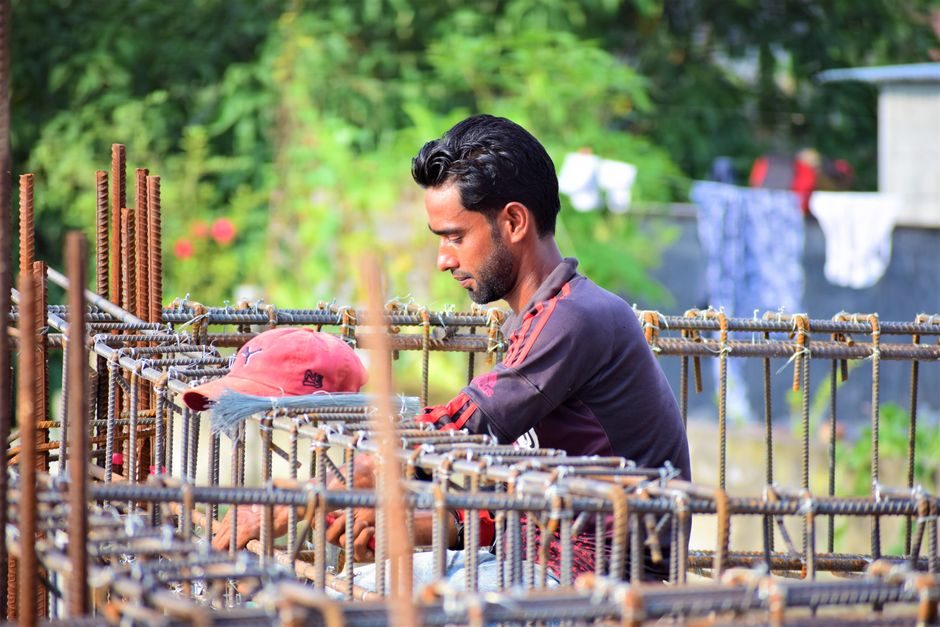
Specifying a rebar threading machine for a 2026 project comes down to five engineering gates: bar diameter range, thread profile compatibility, drive power, duty cycle and coupler-system interoperability. The GM350 rebar threading machine, listed for anchorage threading work, covers 16-40 mm rebar with a monthly supply capability of 20 units from its Tianjin export channel [S3].
Rebar threading machines are used to roll parallel or tapered threads onto the ends of rebar so that a rebar coupler can mechanically splice two bars together. They sit in the same rebar-processing line as a rebar cutter, a rebar bender and a rebar straightener, and the machine choice is governed almost entirely by the rebar grade, diameter and the coupler manufacturer's thread geometry [S1][S4].
Gate 1 — Rebar Diameter Range and Thread Profile Match
Threading capacity is the first hard gate. Entry-level machines typically cover 16-32 mm, mid-range 16-40 mm and heavy units 25-50 mm. The GM350 listed for anchorage work covers 16-40 mm, which is the most common range for civil and high-speed rail projects [S3]. The matching rebar threading machine must roll the same thread profile (pitch, angle, length) that the rebar coupler supplier has qualified, otherwise the splice will not pass tensile slip tests [S4].
Indian exporters also list automatic hydraulic pipe-threading variants in the 1/2"-4" range, but those are for line pipe, not for rebar splice threading — do not cross-specify [S2]. The thread-rolling die set, not the machine frame, is what locks the diameter and profile together. For a project mixing 20 mm and 32 mm rebar, confirm the die-change time and whether a single die head accepts both, or whether two die heads must be kept on site [S1].
Gate 2 — Drive Power, Spindle Speed and Coolant
Power and spindle speed scale with bar diameter and thread length. Mid-range rebar threading machines in the 16-40 mm class typically use 3-4 kW three-phase motors at 1400-2880 rpm with a reduction gearbox to the rolling spindle. Hydraulic threading machines, used for tapered pipe threads in petrochemical applications, run at lower spindle speed and higher torque — those are not interchangeable with rebar parallel-thread rolling [S2].
Coolant is mandatory, not optional, on any rebar threading machine that rolls parallel threads above 25 mm — dry rolling work-hardens the rib surface and shortens die life by a measurable margin. Specifying a through-spindle flood coolant and a 30-50 litre tank is standard on Chinese OEM machines of the GM350 class [S1][S3]. For high-altitude or cold-climate sites, a low-temperature cutting-oil grade should be added to the bill of materials, otherwise the rolling chips will re-weld to the thread crest [S4].
Gate 3 — Duty Cycle, Output and Crew Size
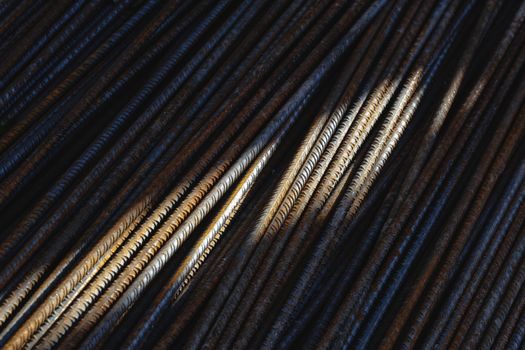
Threading is the bottleneck of a rebar-processing line. A single spindle in the 16-40 mm class typically produces 60-120 threaded ends per shift, with the rate dropping as bar diameter rises. The GM350 is rated for anchorage threading at a supply capability of 20 units per month, which implies single-shift, single-machine production and not a continuous three-shift mill [S3].
For a high-speed rail or metro project that needs several thousand splice-threaded ends per week, a single 16-40 mm machine will not keep up. Plan two or three machines in parallel, or step up to a 25-50 mm heavy unit, and budget the crew accordingly — each rebar threading machine needs one operator and one material handler, with a QC person checking thread depth and pitch on a calibrated ring gauge after every die change [S1][S4].
Gate 4 — Coupler System Interoperability and Material
The threading machine is only half of the splice system. The rebar coupler body, the threading die geometry, and the bar grade must all be from one qualified system, otherwise the splice will not meet the slip and fatigue requirements of the project specification. Standard Chinese OEM coupler bodies are machined from 40Cr or 45# carbon steel, with the threading die geometry matched to those internal threads [S4].
Before purchase, the contractor must confirm whether the project requires parallel-thread couplers, tapered-thread couplers, positional couplers, or transition couplers (e.g. 32 mm to 25 mm rebar of a different grade). Each variant uses a different die head. Mixing die heads from two coupler suppliers on the same job is a common cause of field rejection and should be locked out in the procurement specification [S4]. For related cutting-side decisions, see Rebar Cutter Selection: 5 Gates That Lock the Right Machine Before RFQ.
Gate 5 — Vendor Profile, Spare Parts and After-Sales
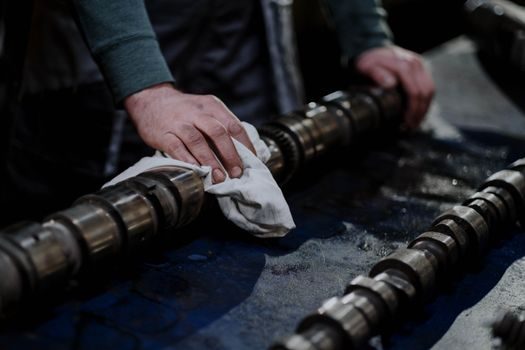
Vendor vetting is the final gate. Chinese OEM factories such as Henan Jianmao and BARTECH publish full rebar-processing lines (bender, cutter, straightener, threading machine, upsetting machine and coupler pressing machine) from one site, which simplifies spare-parts logistics on a multi-machine project [S1][S4]. Indian exporters on the same product index tend to focus on pipe-threading and scaffolding machinery, with rebar threading machines as a smaller share of the catalogue [S2].
Lock the procurement spec on three vendor items: (1) a die-head inventory list with each die size and pitch, (2) a recommended spares kit covering the rolling wheels, the chaser inserts and the reduction-gearbox bearings, and (3) a service response time of 48 hours or better, because a dead threading machine on a rebar-processing line stops the whole crew [S1][S4]. For the upstream cut-to-length side of the line, see Rebar Cutter 2026 Buying Guide: Diameter, Drive, Speed, Blade, Cost. For a direct line-versus-threading comparison, see Rebar Straightener vs Threading Machine: Spec Cut, Duty Cycle and Sourcing Frame for.
Selection Frame: Which Machine Fits Which Job
For a 16-32 mm residential and small-commercial scope, an entry-level 3 kW single-spindle machine with one die head and manual bar feed is enough; budget roughly mid-range and keep one spare die head on site. For a 16-40 mm high-speed rail / metro / bridge scope with several thousand splices per week, specify a GM350-class machine with 3-4 kW motor, through-spindle flood coolant and a monthly supply rate in the 20-unit range — plan two or three units in parallel [S1][S3].
For a 25-50 mm heavy civil scope (large bridge piers, nuclear containments, port terminals), step up to a heavy-duty threading machine with a 5.5-7.5 kW motor, hardened rolling wheels and a heavier gearbox — single-machine output drops, so two units are still typical. Hydraulic pipe-threading machines in the Indian catalogues cover a different scope (line pipe, scaffolding cuplock welds) and should not be cross-specified for rebar splicing [S2].
The most common specification mistake in 2026 is still buying on nameplate power alone, then discovering on site that the die head does not match the coupler supplier's qualified geometry. Lock the coupler-die machine bar first, then size the machine around it.
Trackable next nodes: confirm the coupler supplier's qualified die-head list before issuing the threading-machine PO, and budget die-change time into the project schedule as an explicit line item, not as operator discretionary time.