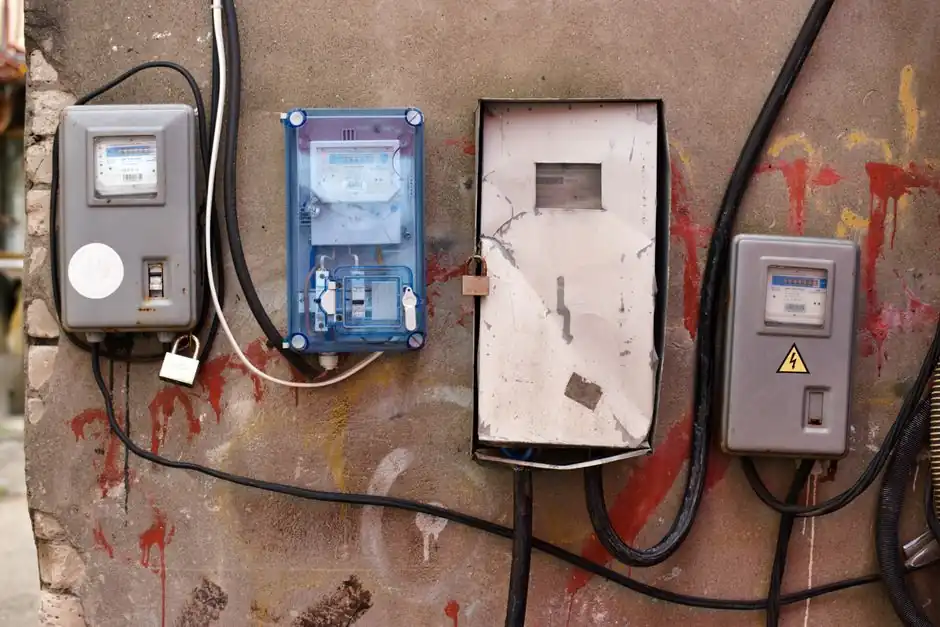
Specifying a rebar threading machine for electrical-installation work means matching 380 V / 3-6 kW drive power and a 100-1000 kg machine mass to the rebar grade and coupler material on the drawing, per the rebar threading machine class typically stocked by CE-certified Indian and Chinese OEMs [S1][S2].
Electrical sites usually call for grounding-rod cages, substation foundations, conduit-duct rebar, and equipment-base anchor cages, all of which run parallel-threaded rebar couplers in 40CR or 45# carbon steel, so the threading and upsetting equipment must be sized for the same bar diameters that the structural drawings call out [S2].
Core Specification: Voltage, Power, Mass, Certification
CE-certified automatic rebar threading machines in the Indian and Chinese OEM catalogues run on 380 V supply at 3-6 kW absorbed power with a total machine mass between 100 kg and 1000 kg, the same envelope that covers both portable bench units and floor-standing production machines [S1]. Chinese automatic rebar thread-rolling lines for steel rebar have been shipped in volume since 2003, with a typical 1-set MOQ at roughly US$1,800 FOB and a 500-set-per-month build rate published on the Made-in-China platform [S3]. That combination of 380 V three-phase input, 3-6 kW drive, and CE marking is the de-facto baseline most electrical-installation procurement documents will recognise.
On a real electrical site the 380 V / 3-6 kW envelope is the practical sweet spot: low enough to run from a standard site distribution board with an adequately sized breaker, high enough to roll or cut threads on 32-40 mm rebar without stalling. Anything below 3 kW struggles on 32 mm+ bar in 500 MPa grade; anything above 6 kW needs a dedicated feeder and rarely earns its keep on a grounding-rod or duct-cage job.
Threading Method: Rolling vs Cutting vs Upset-Forged
Three thread-making methods appear across the OEM line cards, and the choice on an electrical site is driven by rebar grade and whether the coupler spec is rolling-end or upsetting-end [S2]. Rolling-end couplers use 40CR or 45# carbon-steel parallel threads produced on a thread-rolling machine; upsetting-end couplers use a separate rebar upsetter to swell the bar end before threads are cut, which suits higher-grade rebar where thread roots would otherwise be undersized [S2].
For most electrical-installation cages and substation bases the rolling-end path is the default, because the bar is usually 400-500 MPa grade and the thread-rolling machine delivers 100-300 mm of usable thread length in one pass at higher speed than a cutter can match [S2]. Choose the upsetting path only when the drawing names high-grade rebar (typically 600 MPa and above) or specifies a "strong type upsetting parallel thread" coupler body; in that case you need both the upsetting machine and the threading machine on site, plus the higher-strength coupler stock.
Cold-forging (upsetting) and rolling both preserve the parent-bar grain flow at the thread root, which is why parallel-threaded mechanical splices are accepted for structural continuity in reinforced concrete; cut threads, by contrast, sever the grain and are only acceptable on lower-grade rebar or for non-structural anchorage, and many electrical-installation anchor cages fall into the latter category.
Coupler Material and Thread Length Compatibility
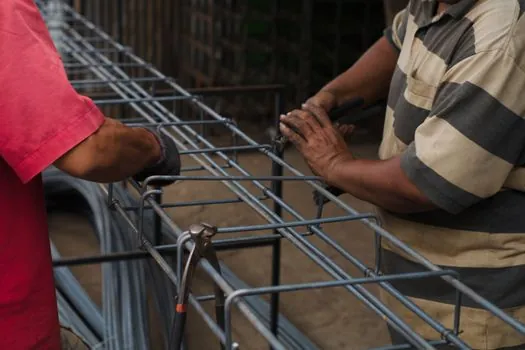
Coupler body material has to be specified alongside the threading machine, because the thread profile, pitch, and root-radius that the machine rolls or cuts must match the coupler it will be mated with on the electrical site [S2]. Standard full-size and positional couplers in 40CR or 45# carbon steel are the most common stock item and accept threads rolled to the typical 100-300 mm length range published by the same Chinese OEM [S2].
Transition couplers (different bar diameters coupled together) and pressing-sleeve couplers (cold-pressed onto the bar, no thread) are alternatives when thread-rolling access is restricted, for example inside a crowded substation foundation pit, and they relieve the threading-machine throughput requirement but add a separate manual or hydraulic pressing tool to the site inventory [S2]. For electrical-installation work, the pressing-sleeve route is worth considering for short transition pieces and for repair work where bar ends are already cut and cannot be re-upset on site.
Production Throughput and Site Logistics
Throughput on site is a function of bar diameter, thread length, and operator skill, but the published 500-set-per-month build rate for a single automatic thread-rolling line is a useful upper bound when sizing site equipment for a large substation build [S3]. Most electrical-installation projects are well below that, so a single bench-top automatic threading machine in the 3-6 kW / 100-1000 kg class is usually sufficient; the heavier 1000 kg units are reserved for bar diameter above 32 mm or for continuous-shift production yards.
Site logistics matter: 380 V three-phase supply must be available at the machine location with proper earthing, because a rebar threading machine driving a rolling head through 40CR or 45# coupler-grade steel at 3-6 kW will trip an undersized breaker and will produce unacceptable thread quality if the supply voltage sags under load [S1]. Plan for a dedicated 16-32 A circuit, depending on the specific machine's full-load current, and locate the machine close to the rebar storage area to minimise bar handling.
Selection Checklist for Electrical-Installation Procurement
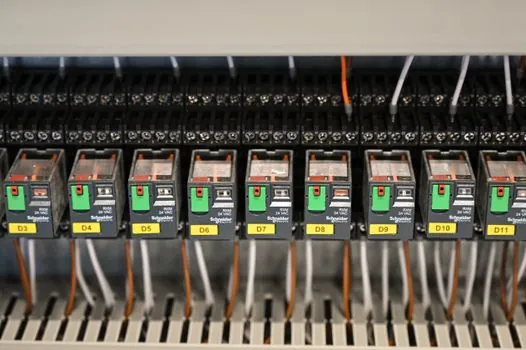
Before signing a PO, confirm the following: 380 V supply available and breaker sized to the machine's nameplate FLA; CE certification on the machine nameplate; 3-6 kW drive rating consistent with the largest bar diameter on the drawing (32 mm bar typically needs the upper end of that range); machine mass in the 100-1000 kg class consistent with site access (heavier machines need a level concrete base, lighter bench units can sit on a sturdy workbench); thread-length range of 100-300 mm covering the coupler stock; and coupler bodies supplied in 40CR or 45# carbon steel to match the rolled thread profile [S1][S2].
For typical electrical-installation work, the recommended specification is an automatic thread-rolling machine, 380 V / 3-6 kW, CE certified, with a 100-300 mm thread-length capacity, supplied with rolling-end couplers in 40CR carbon steel; add a separate upsetting machine only if the drawing calls for high-grade rebar above 500 MPa or specifies upsetting-end couplers; add a manual coupler-pressing machine for repair work and transition pieces where threading access is restricted [S2]. This configuration covers the majority of substation, grounding-rod, and conduit-duct reinforcement work without over-specifying equipment.
Common Failure Modes and Acceptance Criteria
The three failure modes that show up on a poorly specified electrical-installation threading job are undersized drive motor, wrong coupler material, and insufficient thread length. An undersized motor (below 3 kW on 32 mm+ bar) stalls mid-roll and produces a partial thread with a tapered runout, which the coupler cannot fully engage; the acceptance criterion is a full-depth thread over the published 100-300 mm engagement length, verified with a thread ring gauge before the coupler is fitted. Wrong coupler material (for example a 20# or 16Mn pressing-sleeve coupler used with a rolled thread) either will not start or will strip on first torque-up; acceptance is a hand-fit check with the production coupler sample before any production threads are cut. [S2]
Insufficient thread length, typically below 100 mm on a heavy bar, leaves the splice below the published strength of the coupler system; the acceptance test is a calibrated torque to the coupler-maker's published value with no thread slip. If any of these checks fail, do not attempt a field repair of the thread; cut the bar end back to clean parent material and re-roll or re-upset, because a partial thread on a structural splice in a substation or grounding cage is a known reliability risk and is cheaper to remake than to chase later.
Track the next procurement signal by watching for any update to the 380 V / 3-6 kW class OEM offerings from the Indian and Chinese suppliers cited above, and by checking whether site projects are starting to specify upsetting-end couplers over rolling-end as 500 MPa+ rebar becomes more common in substation and data-hall foundation work. Related coverage of the plumbing-install use case, where the same 3-6 kW / 380 V envelope applies but with a different coupler mix, is available in Rebar Threading Machine Picks for Plumbing-Install Sites: Power, Thread, Coupler Fit, and broader structural rebar decisions on commercial sites are mapped in Embedded Part Selection for Commercial Buildings: 2026 Spec Map.
Component reference pages worth checking: electrical automation, and electrical measurement.