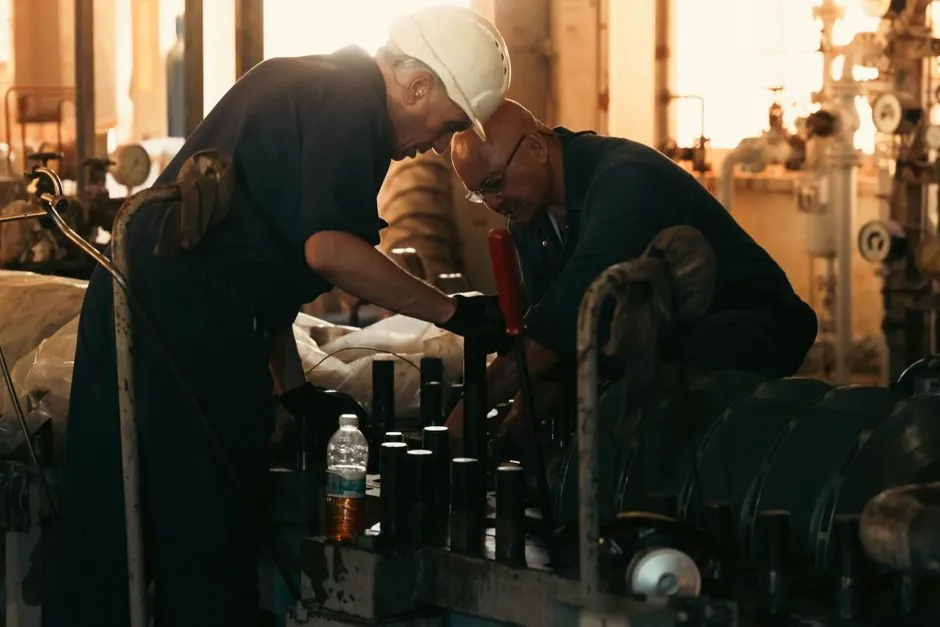
Sandblasting machine selection for energy equipment starts with substrate and weld-prep code, not brand. Power-station, wind-turbine, transformer, and substation fabricators predominantly spec stationary pressure-blast systems fed by 80-100 psi compressed air, with steel grit (G25-G40) or aluminum oxide (60-120 mesh) for carbon-steel and low-alloy components requiring SSPC-SP10 / NACE No. 2 near-white metal before coating [S1][S2].
The global sand blasting machine market reached USD 432.5 million in 2024 and is forecast to hit USD 738.8 million by 2034 at a 5.5% CAGR, with stationary units holding 64.4% product share, semi-automatic units 43.4% of the operation segment, and dry blasting 74.4% of blasting-type share [S5]. APAC led regional demand at 36.5% share (USD 157.8 million in 2024), driven by rapid industrialization in power-generation and grid buildout [S5].
Equipment Classes: Pressure, Suction, Wheel, and Wet
Pressure-blast pots deliver media at 80-100 psi and are the default for high-throughput energy-sector surface prep, with throughput roughly 3-4x a suction (induction) blaster at equal nozzle size [S1][S4]. Suction blasters run at lower 30-60 psi venturi-induced pressures and suit low-volume touch-up or field repairs where a compressor upgrade is not feasible [S1].
Wheel blasting (airless) throws steel shot or grit via an impeller and is specified for high-volume, repeatable shot-peening of turbine shafts, gearbox housings, and large weldments; it eliminates compressor load but requires a dedicated blast room or cabinet and mechanical media handling [S1]. Wet blasting and dustless systems inject water at the nozzle, suppressing visible dust by encapsulating abrasive and removed coating; they are increasingly used where on-site silica-dust controls would otherwise halt work [S3]. For an overview of the full machine family, see the sand blasting machine reference page.
Abrasive Media Selection by Substrate
Media hardness, shape, and recyclability must match the workpiece. Steel grit (G25-G40, hardness 40-65 HRC) and aluminum oxide (60-120 mesh, Mohs 9) are standard for carbon-steel, low-alloy, and stainless energy components requiring aggressive profile (75-125 micrometer anchor profile) before epoxy or zinc-rich primer [S1][S2][S4]. Glass bead (Mohs 5.5) and plastic media (polyester, urea, melamine, Mohs 3-4) are used where the substrate is stainless, aluminum, or coated and surface peening rather than profile cutting is required, typically at 30-60 psi to avoid warping thin-wall transformer tanks [S1][S2].
Garnet, crushed glass, and olivine are common on-site field alternatives for substation and wind-turbine tower work where spent-media recovery is impractical; garnet cuts fast, generates less dust than silica sand, and meets most environmental specifications for non-silica abrasive [S1][S3]. Silica sand is explicitly flagged in industry guidance as a health hazard due to respirable crystalline silica (RCS) exposure and is restricted or banned in many jurisdictions for open blasting [S3].
Capacity, Nozzle, and Compressor Sizing
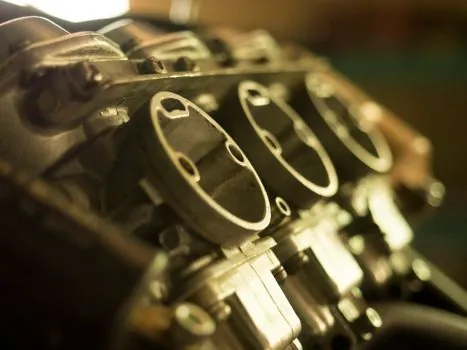
Nozzle orifice drives both air consumption and media flow. A 3/8" (9.5 mm) nozzle consumes roughly 150-180 cfm at 100 psi and removes material about 3x faster than a 1/4" (6.4 mm) nozzle, but requires an air compressor two to three times larger [S1][S8]. For a single-nozzle 100 psi pressure-blast station, 185-250 cfm at 100 psi is the typical compressor band, paired with a 120-240 gallon receiver for surge damping.
Machine capacity buckets for industrial buyers cluster at 1,000L-2,000L (48.5% of 2024 market share, per the market segmentation), suitable for medium-throughput energy-fab lines [S5]. Cabinet-class units below 500L suit small parts and prototype work, while 3,000L+ blast rooms serve wind-turbine nacelle frames, transformer tank shells, and pressure-vessel heads. For energy equipment production lines, a 1,500L-2,000L pressure-blast cabinet with a 1.0-1.5 m turntable is a common repeatable spec.
Surface-Prep Standards That Drive the Spec
Energy-sector coating specs are written to published standards, not internal preference. SSPC-SP10 / NACE No. 2 (near-white metal blast cleaning) and SSPC-SP6 / NACE No. 3 (commercial blast) are the two most-cited anchor profiles for above-ground piping, structural steel, and transformer tanks in fossil and renewable plants [S1][S2]. Wind-turbine tower internals and offshore substation decks often require SSPC-SP10 to 75-100 micrometer profile verified by replica tape (ISO 8503-5). For procurement teams comparing machine options, the shot blasting machine page documents wheel-blast configurations typically used in those same shop environments.
Operator safety drives the dust-collection and containment spec: OSHA-compliant containment, negative-pressure cabinets, and cartridge-style dust collectors sized at 1.5-2x the cabinet air volume are commonly required to keep respirable-dust exposure below applicable limits [S2][S7].
Selection Gate: Which Class for Which Energy Application
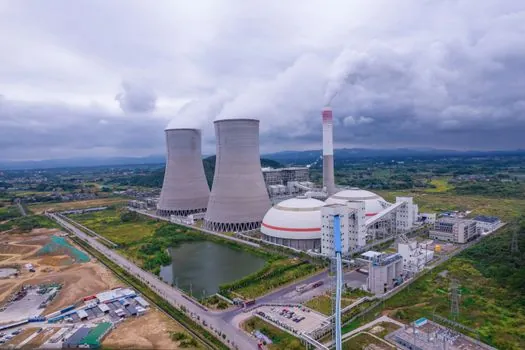
For utility-scale solar racking and small substation steel, a portable suction blaster (60-80 cfm, 1/4" nozzle, garnet media) is the lowest-capex fit and handles field repairs without dedicated infrastructure [S1][S3]. For transformer tank, bushing housing, and switchgear enclosure prep in a controlled fab shop, a 1,500L-2,000L pressure-blast cabinet with steel grit reclaim gives repeatable SSPC-SP6/SP10 at 1.5-3.0 m squared per minute per nozzle [S1][S2].
For wind-turbine tower sections, large hydro-penstock segments, and pressure-vessel heads, a walk-in blast room (4 m x 4 m x 8 m or larger) with a 250-400 cfm air supply and mechanical abrasive recovery is the only realistic answer; portable units cannot deliver the throughput or the contained dust control [S1][S7]. Field work near energized equipment (substations, live-bus maintenance) frequently defaults to wet/dustless blasting at 20-40 psi to suppress visible dust plume, accepting slower cut rate as a safety trade-off [S3]. A practical walk-through of NDT equipment and surface-finish verification on the same fabrication line is covered in the encyclopedia.
Common Failure Modes and Constraints
Undersized dust collectors are the single most-cited cause of operator-visibility loss, accelerated nozzle wear, and media contamination, with fine particles recirculating into the blast stream and dulling the cut profile [S2][S7].
Buyers should compare total connected kW, not just machine nameplate, when evaluating bids. Static-electricity build-up in dry blasting near coating operations is controlled with anti-static equipment such as grounded nozzle holders and conductive blast hose, a recurring requirement in flammable-coating booths.
Silica-dust regulation continues to tighten: many U.S. and EU sites have moved from sand to garnet, slags, or steel grit specifically to keep respirable crystalline silica below mandated exposure limits [S1][S3]. Plan media selection around that constraint before machine selection, not after.
Sourcing, Standards, and Verifiable Next Signals
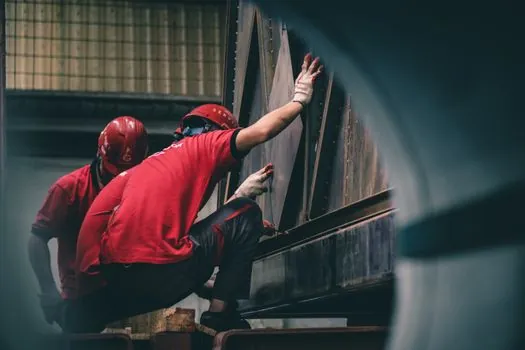
Specifying engineers should lock media type, mesh/grit size, and target profile (SSPC-SP6 or SP10) into the coating spec before opening the equipment RFQ, because the same machine can meet either standard with different media and pressure [S1][S2][S4]. Require published cfm at rated pressure, nozzle life in hours, and reclaim efficiency percentage in vendor submittals, and verify with a test panel at the supplier's site before shipment. Trackable signals to watch over the next two quarters: continued share shift from portable to stationary units in APAC fab shops, and broader adoption of low-dust wet/dustless units in substation retrofit work.
See also our earlier report, Metal Curtain Wall Panel Selection for Schools: Materials, Gauge, and Attachment Logic.