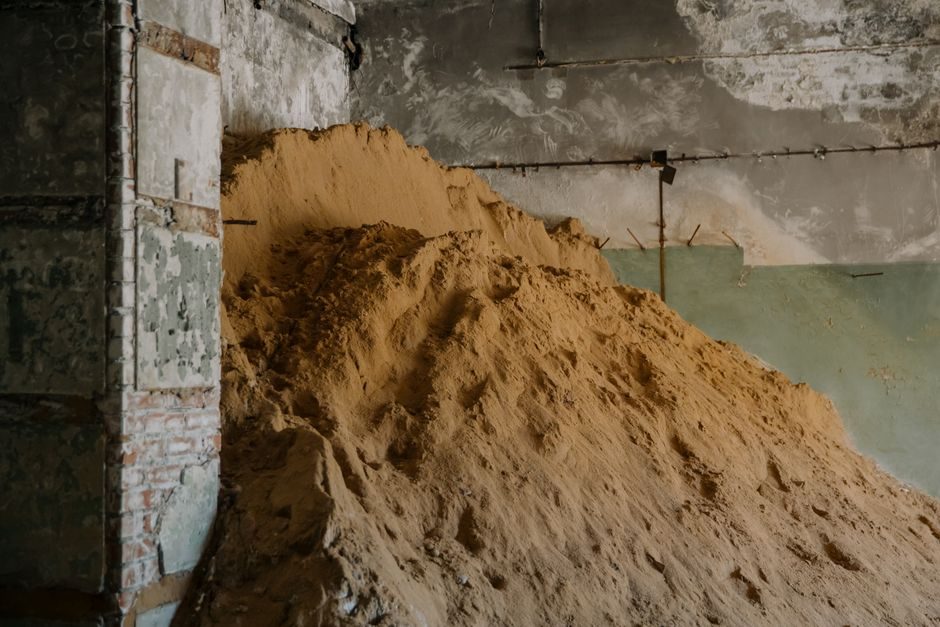
A sand mixer purchase in 2026 is governed by four spec levers — throughput (t/h), batch volume (L), binder system (bentonite/alkaline phenolic/furan/cold-box), and discharge tolerance — and the wrong match on any one of them voids the others [S1].
The Alibaba supplier index for foundry sand mixers lists many makers concentrated in mainland China, with individual suppliers commonly reporting US$5–10 million in total revenue and 81.1% response rates [S2]. Volumetric screw dispensers from European builders such as KLEIN sit alongside higher-capacity continuous muller lines for tier-one iron and steel foundries [S1].
Mixer Type by Foundry Process and Binder
Screw-conveyor (auger) mixers are the workhorse of greensand systems, where pre-mixed bentonite, water and silica return sand are continuously metered and discharged; KLEIN's volumetric screw foundry sand mixer-dispenser is a typical compact configuration aimed at dosing accuracy in moulding lines [S1].
Resin-bonded lines — alkaline phenolic (alphaset), furan (furfuryl alcohol), phenolic urethane (pep set) and silicate-Ester — use batched high-shear paddle or rotor mixers, because the binder must be activated in a controlled window (typically 30–120 s of mulling) before bench life expires. Chinese mid-range offerings in this segment span 100–2000 kg batches, with single-station shot-slinger feeds common in small-to-medium iron foundries [S2]. For a wider foundry process context the shot-sleeve steel and bore selection guide covers related high-pressure tooling upstream of the mixer.
Throughput, Batch Volume and Motor Sizing
Continuous greensand muller capacity is normally quoted in t/h and tracks a single figure — most mid-size units land between 20 and 80 t/h with main-drive motors in the 22–75 kW bracket, while batch resin mixers are sized in litres of useful bowl volume (50–3000 L) with 5–110 kW drive heads depending on rotor diameter and tip speed. [S1]
Continuous muller throughput is the metric the production planner uses, but bowl geometry and rotor tip speed (typically 8–18 m/s for high-shear sand mixers) determine how completely bentonite is sheared into the silica coat; under-rated tip speed shows up as low green-strength and torn mould edges. Batch resin mixers are sized to the largest single core or mould weight plus a 20–30% headroom, so a 500 kg iron mould line usually lands on a 1000–1500 L bowl [S2].
Selection Criteria That Actually Decide the Buy
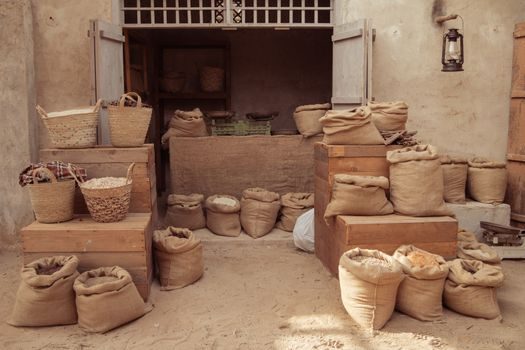
Spec the binder chemistry first, the throughput second, and the discharge/consistency spec third — invert that order and the project is rebuilt on site. The criteria that fail first on a bad buy are bentonite activation (mulling), bench-life (batch), and m3/h-to-kWh ratio (continuous). [S2]
Selection matrix by use-case:
— Greensand, ≤30 t/h, low-mould consistency tolerance: continuous auger/muller with weigh-belt feed, 22–37 kW main drive [S1][S2].
— Greensand, 30–100 t/h, large iron foundry: twin-shaft or cross-shaft muller, 45–90 kW, water injection via calibrated lance.
— Resin-bonded no-bake, 500–2000 kg batches: high-shear rotor mixer with phenolic/furan dosing pumps, tip speed 12–18 m/s, 15–45 kW [S2].
— Cold-box / pep-set core lines: fast-batch vertical or horizontal paddle mixer, 30–90 s cycle, 5–22 kW.
— Coatings / sealers: low-speed planetary or ribbon blender, 3–11 kW.
Foundries running magnesium-rich alloys should cross-check chemistry and temperature limits in the magnesium die casting machine buying guide before sharing resin lines with ferrous sand systems.
Who a Sand Mixer Is For — and Who It Is Not
A sand mixer is for foundries running greensand moulding, chemically bonded no-bake (alphaset/furan/pep-set), silicate-ester, or cold-box core production, and for the reclamation plant that re-blends return sand to spec moisture/bentonite levels. [S3]
Buyers specifying a sand mixer for ready-mix concrete batching should be redirected to a concrete mixer truck platform — drum geometry, drum RPM, and discharge chute differ fundamentally. For mould-side tooling decisions the sand casting mold vs mold base comparison is the adjacent reference.
Sourcing, Standards and Total Cost Bands
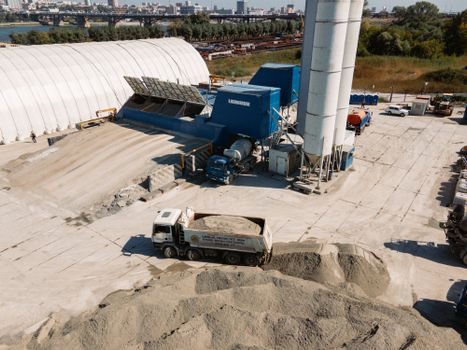
Suppliers in the Alibaba index for foundry sand mixers are based in mainland China; one listed supplier reports US$5–10 million in total revenue with a 62.0% domestic-market share, 10% Southeast Asia share, 7% Eastern Europe share, and an 81.1% response rate [S2].
European volumetric dispensers (KLEIN and similar) command a 2–4× price premium over equivalent Chinese units, justified by dosing accuracy, bellow-sealed dosing heads, and CE documentation [S1]. Standards to enforce on the PO: ISO 9001 for the OEM quality system, CE Machinery Directive (2006/42/EC) for European installs, ATEX 2014/34/EU for any zone-classified binder storage adjacent to the mixer, and IEC 60079-series for motor/control enclosures when vapours are present. Resin dosing lines that handle phenolic or isocyanate (pep-set component B) typically require zone 1 or zone 2 hazardous-area certification on pumps and panels.
Price bands observed in 2026 sourcing channels: small bench-top batch mixers (5–50 L) at US$1,500–6,000; mid-size 100–1000 L continuous muller or batch units at US$8,000–60,000; and large 100–200 t/h greensand muller lines at US$120,000–450,000 depending on automation and weigh-belt scope [S2]. Freight, foundations, and ducting typically add 8–15% on top of the equipment FOB price.
Common Failure Modes and Verification Steps
Three failure modes hit new sand-mixer buyers: bentonite smearing on a too-low tip speed, resin bench-life waste on a too-large bowl, and dust carryover from an undersized dust port. Each is caught by a documented FAT/SAT and a 30-day production trial before final payment is released. [S1]
For buyers expanding into adjacent casting cells, the low pressure die casting machine spec levers guide and the hot chamber die casting machine selection guide cover the next step downstream of mould production. Buyers comparing resin-bonded sand systems to mechanised mould handling should also weigh the crossed-roller guide and linear guide wear life on the slinger/conveyor that feeds the mixer, since guide failure is the leading unplanned-downtime cause on greensand return-sand conveyors.
Closing reference nodes: confirm the binder-side safety data sheet (SDS) before finalising hazardous-area zoning, lock the FAT to a tonnage-based acceptance test (not just a video review), and require a 12-month spares-and-wear-parts quote on the same PO.