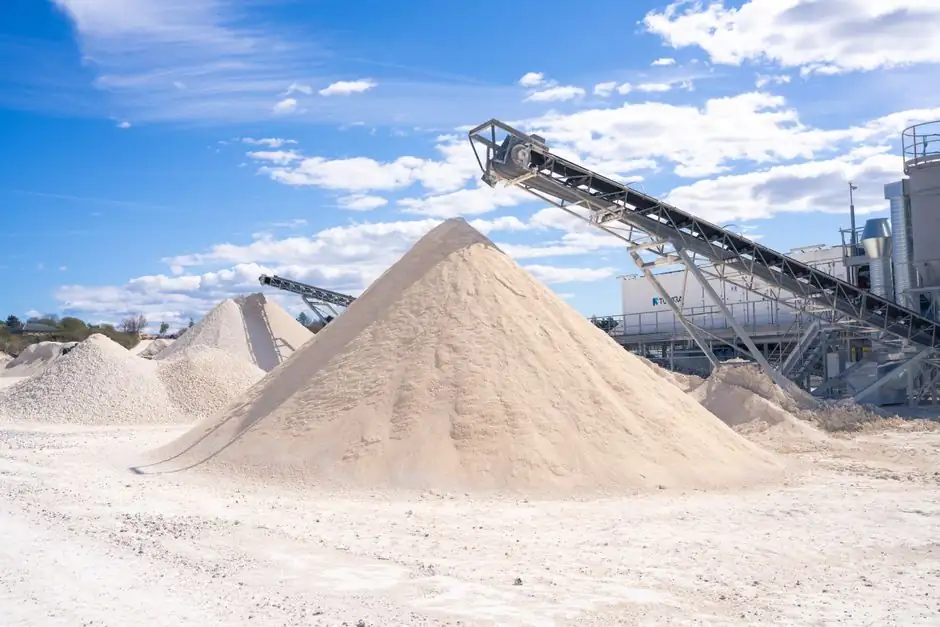
Mining sewage pumps should be selected from the actual water, solids and lift conditions, not by a generic wastewater flow rating.
The decision must cover solids concentration, maximum particle size, static lift, friction loss, operating hours, chemical compatibility, electrical availability and maintenance access.
Define the sewage duty before choosing a pump
A mining sewage system can handle groundwater containing sand and rock fines, drain water carrying sulfide or acid residues, or plant wastewater with process chemicals. The selection worksheet should record peak and average flow, suction and discharge elevation, run hours per day, start-stop frequency, solids percentage, maximum particle size, fluid temperature and pH [S6].
Do not apply a clean-water curve directly to a solids-bearing stream. Solids concentration, particle size, abrasiveness and discharge pressure all affect pump selection [S7]. A pump that meets the required flow while operating outside its efficient hydraulic range can consume more power, generate heat and wear faster than a correctly sized unit.
For comparison, published mining-slurry envelopes extend to 10–17,000 m³/h and 5–90 m total dynamic head, with slurry specific gravity from 1.05 to 2.50, solids from 20 to 70 wt% and particle d50 from 50 µm to 15 mm [S4]. Those limits are not a blanket sewage-pump specification; they define demanding reference duties against which the mine sewer must be characterized.
Match pump architecture to the installation
A horizontal end-suction centrifugal pump is suitable for surface sumps where suction conditions are flooded, the flow range is stable and floor space permits maintenance. Centrifugal pump selection for mining operations should account for abrasive wear from mineral slurries, high-head dewatering demands, energy consumption, and environmental discharge requirements [S1].
Mining engineers should evaluate factors such as water quality and volume, site size, and well depth when selecting a pumping system for site-specific dewatering needs [S5]. A dry-pit vertical pump provides easier motor access, but it requires a dry, flood-resistant chamber and a suction arrangement that remains flooded.
A submersible sewage pump is appropriate where the pump must sit in a wet well and no dry floor space is available. It should be specified against maximum submergence, minimum liquid level, solids passage, cable length, motor cooling conditions and the need for a guide rail or lifting arrangement. It is not the automatic answer for long-distance transport where added discharge head, numerous elbows or a long rising main dominate system friction.
Compare solids-handling options
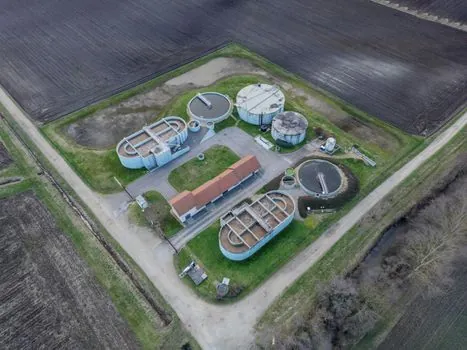
For a clean sanitary sewer, a standard wastewater impeller with a adequate solids passage may be adequate. For mine drainage with coarse sand, rock fragments or gravel, select an abrasive-duty heavy-duty unit with a larger passage, replaceable wear components and a discharge path that cannot jam. For true process slurry rather than sewage, the hydraulic and material basis should follow a mining slurry specification. [S4]
Apply that method only after the required flow has been established; it is not a substitute for a mine-specific duty calculation.
Set materials for abrasion and corrosion
Abrasive wear and chemical attack are separate design problems. The wet end should therefore combine a passage sized for the largest expected solids with a material qualified for the actual chemistry.
Published mining slurry options include 27% chromium high-chrome white iron to ISO 21988, natural rubber, polyurethane and Ni-hard [S4]. Mining pumps must withstand abrasive slurries containing rock particles and minerals, while pumps for chemical processing must resist corrosive substances and hazardous materials [S2]. Alloy selection must follow measured chemistry and concentration, not a generic claim of corrosion resistance.
Published slurry service data gives impeller lives of 2,000–8,000 hours depending on duty and wet-end rebuild intervals of 6–24 months [S4]. These figures are useful planning ranges, not warranties. Actual wear depends on particle hardness, concentration, velocity, duty cycle and material pairing.
Check suction, power and environmental constraints
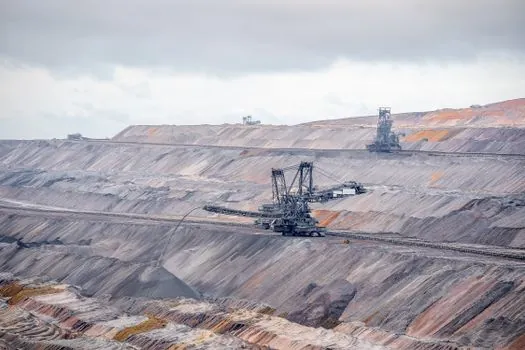
Calculate total dynamic head from static lift, pipe friction, fittings, valve losses and the required discharge pressure. Separately verify net positive suction head available against the pump requirement at the minimum sump level, maximum flow and highest water temperature. Low suction pressure or inadequate submergence can cause cavitation, vibration and premature seal failure. [S1]
Electrical drive selection must cover installed motor power, voltage, phase arrangement, starting method, cable length, enclosure requirement and hazardous-area classification. Diesel drive may suit a temporary site without grid power, while electric drive may reduce fuel handling and maintenance where power is available [S5]. Do not infer an explosion-proof rating from the presence of a mine without completing the site classification and equipment-certification review.
Environmental compliance begins with the discharge destination and water chemistry. Sewage may require solids removal, clarification, pH control or treatment before reuse or discharge [S5]. The pump’s duty must therefore reflect the required flow through every treatment stage, not only the peak inflow to the wet well.
Plan access, redundancy and maintenance
Specify how each pump will be primed, isolated, lifted and serviced. A self-priming arrangement may reduce wet-well constraints, but it is not automatically preferable because it consumes power and can create additional wear components. Underground installations need enough clearance to remove a motor or pump barrel without lifting equipment positioned over the sump. [S1]
Duty-cycle data should distinguish continuous dewatering from intermittent sump drainage. Pumps intended for 24/7 service need a continuous-duty motor, suitable bearing lubrication and a seal or gland arrangement appropriate to the liquid. Mining slurry experience suggests that service lives are measured in thousands of hours rather than the hundreds associated with a poorly selected water pump [S4].
For critical flooding protection, specify duty and standby arrangements from the mine water-balance risk. Include spare wear parts for abrasive duties, local electrical spares for submerged motors and a defined response plan for blocked discharge lines. The sewage pump package should also include adequate sump volume to prevent short cycling and provide a non-return valve arrangement that isolates reverse flow.
Place the final selection on verified duty
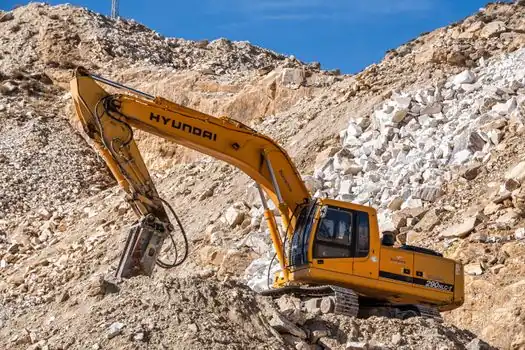
Use the manufacturer’s corrected slurry or solids curve when available, not the published water curve. The required minimum data are design flow, total dynamic head, static suction conditions, maximum solids size, solids concentration, fluid temperature, pH, abrasiveness, duty hours and drive details.
Use a vertical turbine or submersible arrangement for constrained, deep or flooded installations, and a horizontal centrifugal pump where surface space, flooded suction and accessible maintenance dominate. Confirm the result against the approved mine water balance, discharge permit and site electrical classification before releasing the order.