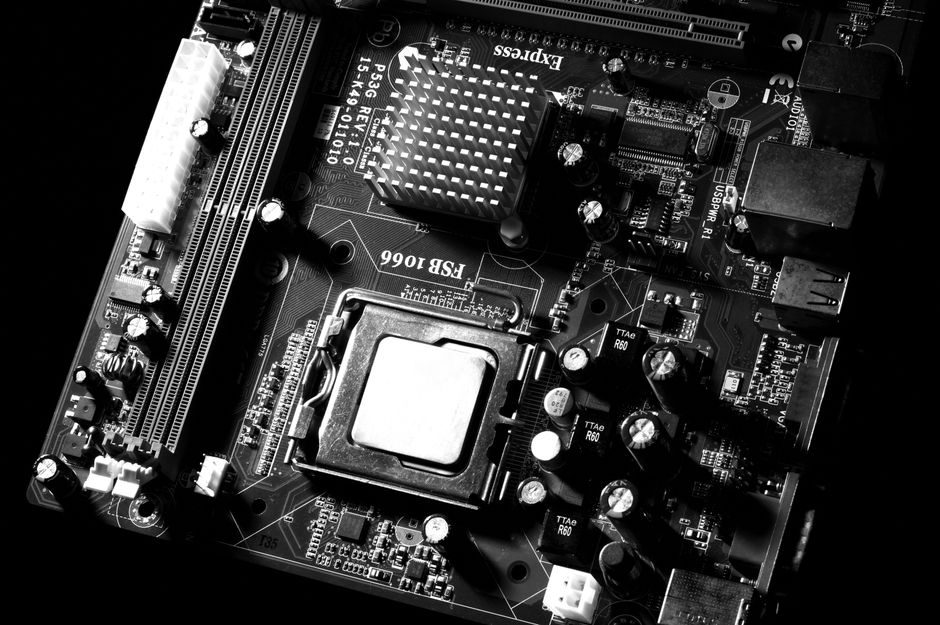
For semiconductor wet-etch and chemical-delivery skids, the practical coil tier sits at low-voltage DC (12 V/24 V) waterproof potted units in the 13×27 mm to 25×30 mm frame, with 0.5–50 kg holding force, as evidenced by the 2026-07-22 catalog band of waterproof electromagnets on global B2B marketplaces [S2].
Semiconductor fabs push three constraints at once — low particulate outgassing, high cycle life on isolation and dispense valves, and chemical resistance to acid line purge cycles. That mix rules out most generic HVAC and automotive coils, and pushes buyers toward Class H or Class F insulated, epoxy-potted, and vacuum-baked units, with custom winding shops like Caterina Engineering (US offices in Laguna Niguel and Indio, CA, with Hubei and Shenzhen manufacturing) and Santa Fe Coil (25+ years of electrical-coil restoration in the US) filling the long-tail demand [S1][S3].
Cleanroom and Outgassing Envelope for Fab Service
Semi-grade solenoid coils on wet-process tools must keep total hydrocarbon outgassing low enough not to contaminate the chemical bath; potting compound selection (epoxy vs. urethane vs. silicone) drives the result, and is a spec buyers typically set on the drawing, not a marketplace dropdown. [S2]
Standard HVAC-class coils, even with IP65 encapsulation, frequently use bondable varnishes that bleed under continuous duty at elevated ambient. For fab service the practical envelope is vacuum-bake + epoxy-potted bobbin, lead exits via sealed grommet, and a documentation trail that ties coil serial to winding machine log [S1].
Caterina's published US+China footprint — Laguna Niguel and Indio, CA engineering, Hubei and Shenzhen manufacturing — is the typical pattern for fab buyers who need US-based engineering review and low-cost Asia production runs of the same design [S1].
Voltage, Force, and Frame Size: What the 2026 Catalog Band Shows
The 2026-07-22 B2B catalog for solenoid coils lists a consistent mid-band: 13×27 mm waterproof units, 6 V/12 V/24 V DC compatibility, 0.5 kg lifting force at US $20.59–21.12, with 4.9 stars across 6,590 reviews and 2,059 daily orders [S2].
Heavier 50 kg lifting waterproof units in the same 6 V/12 V/24 V DC family run US $29.58–30.35 with a 4.9 rating on 6,590 reviews [S2]. A 24 V excavator valve coil cross-listed for Volvo EC140/EC160/EC210/EC240/EC290/EC330/EC360/EC460/EC210B (P/N 14527267) sells at US $41.58–42.65 and 4.9 stars on 5,031 reviews [S2] — included here only as a reference point for the same bobbin geometry found in chemical-skid isolation valves.
For fab duty, 12 V/24 V DC at 100% ED (continuous energization) and 0.5–3 kg holding force is the highest-volume cell; 50 kg units are usually misapplied and should be reserved for mechanical test fixtures and load-lock door latches, not for in-line chemical valves where lower force and lower thermal mass are preferred [S2].
Custom vs. Off-the-Shelf: When to Spec a Custom Winding Shop
Custom solenoid coil shops quote on three knobs the catalog cannot supply: lead-to-lead resistance trim for an existing driver PCB, exotic bobbin materials (PEEK, PCTFE) for halogen-acid exposure, and Class H (180 °C) insulation systems for hot-acid bath proximity [S1][S3].
Santa Fe Coil (Santa Ana, CA) publicly states 25+ years of coil restoration, a database covering switchgear and contactor coils back to the 1930s, and a rebuild service that includes converting a coil to a different operating current or voltage — directly useful when a fab has legacy tooling on obsolete valve manifolds [S3].
Caterina Engineering publicly lists custom plastic injection molding, sheet metal fabrication, die casting, metal machining, and custom solenoid coils since 2003, with application breadth in industrial equipment, healthcare devices, and military hardware, all of which are relevant preconditions for the documentation discipline fab QA expects [S1].
Decision Map: Picking the Right Coil Tier for a Fab Tool
For tool designers, the practical decision matrix is: chemistry exposure → insulation class → IP rating → voltage/force → lead time. Off-the-shelf waterproof 13×27 mm units at US $20–30 fit non-critical instrument-air and DI-water dispense valves [S2].
Custom Class H, vacuum-baked, epoxy-potted coils from a US/China hybrid shop fit acid-line isolation, slurry dispense, and any valve near a process chamber where particle adders are tracked [S1].
Restoration and rewind from a 25-year US shop fit brownfield fabs running 1990s–2000s switchgear and contactor coils on back-of-house utilities, where replacement-in-kind is cheaper than redesign [S3].
Standards, Ratings, and Documentation Buyers Should Demand
For fab service, the documentation bundle that survives a vendor audit includes: insulation class designation (Class F 155 °C or Class H 180 °C), IP65 or IP67 rating on the potted assembly, 100% ED duty cycle confirmation at the rated ambient, RoHS/REACH compliance statements, and a serial-traceable winding log [S1][S3].
Buyers should treat any catalog listing that omits insulation class, duty cycle, and IP rating as hobby-grade. The 2026-07-22 catalog entries reviewed here explicitly state waterproof design, 6 V/12 V/24 V DC operation, and either 0.5 kg or 50 kg lifting capacity, but stop short of naming insulation class — acceptable for non-process-side utility, not for in-tool solenoid valve service near a process chamber [S2].
For fab-side air solenoid valve manifolds driving pneumatic isolation, the same documentation discipline applies, with the additional requirement that coil power consumption stays within the driver PCB's 24 V DC budget (typical 4–8 W continuous).
Failure Modes and Constraints Buyers Underestimate
The three recurring fab-side failures are: (1) potting compound outgassing into the chemical line on first thermal cycle, (2) lead-wire cold-joint fracture at the grommet under high-cycle dispense valves, and (3) insulation breakdown at the bobbin shoulder where the winding density is highest — all addressable only by spec'ing the coil, not the valve [S1].
Reverse-engineering the coil separately from the valve is also a frequent mistake; coil force must be matched to valve spring return pressure, and a 50 kg coil on a low-pressure diaphragm valve gives no benefit while adding heat to the bath [S2].
For brownfield plants, the lowest-risk path is to ship a suspect coil to a restoration shop, where the original winding can be re-cut to the same resistance on a different insulation system, preserving the valve's hydraulic envelope while modernizing the electricals [S3].
Sourcing Channel Mix and Lead-Time Reality
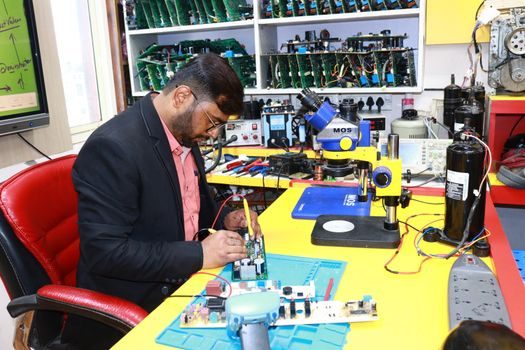
The 2026 sourcing mix for fab-grade coils splits into three lanes: (1) China-direct B2B marketplaces for waterproof sub-US $30 commodity units, (2) US-based custom shops for Class H/PEEK bobbins and small-batch production, and (3) US-based restoration shops for legacy switchgear and contactor coils, with the marketplace lane carrying the most listing volume and the restoration lane carrying the longest knowledge half-life [S1][S2][S3].
Buyers comparing like-for-like should price the total landed cost (coil + potting verification + insulation class certificate + serial trace), not just the unit FOB; the US $20–30 sticker on a 13×27 mm waterproof unit is the entry point, not the total cost of ownership for a Class 1 tool [S2].
Two trackable signals to watch through the rest of 2026: the spread of insulation-class disclosure on marketplace listings (currently absent from the listings reviewed), and the number of US custom shops publishing vacuum-bake and epoxy-potting process documentation as a standalone service line [S1][S2].
For related coverage, see Angle Grinder Selection Map for Bridge Construction Sites.