Shell core machines in 2026 are sold in two clear classes — vertical automatic shooting units for production foundries and benchtop or semi-automatic units for short-run job shops — and the buy decision starts with shot weight, cure method (electric, gas, or hot-box), and available floor space [S2].
The category sits inside a wider set of foundry core-making processes (shell, cold-box Isocure, and air-set no-bake) where U.S. suppliers explicitly offer all three from a single shop, which matters because a shell-core-only line may not cover a buyer's full job mix [S2].
What a shell core machine actually does and where it fits
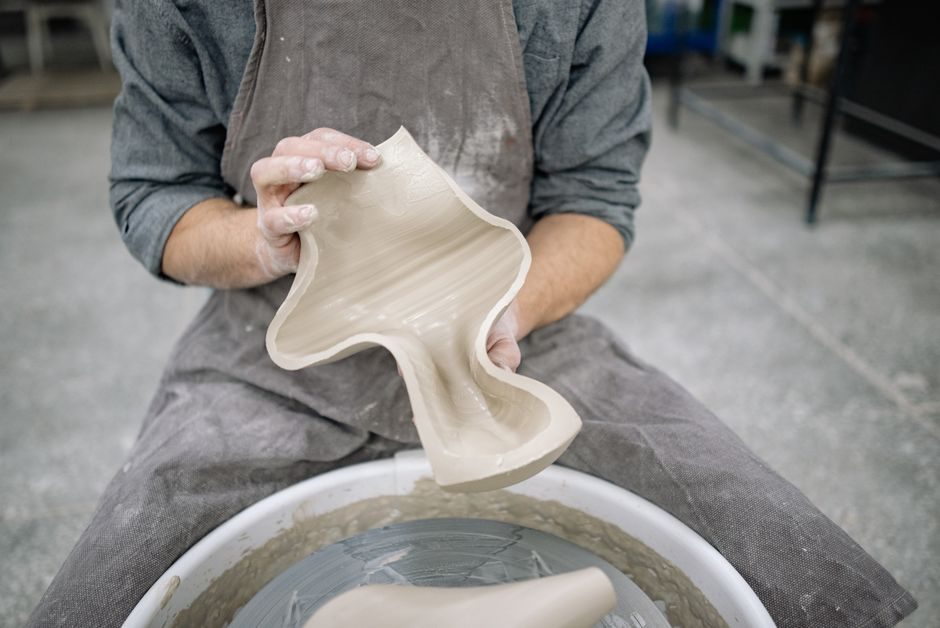
A shell core machine fills a heated core box with resin-coated sand, dwells to cure a thin shell against the tool face, then vents excess sand and ejects a hollow shell core for iron, steel, or non-ferrous castings [S2]. Vertical automatic shell core machines shoot resin-coated sand from a hopper above the tooling, cure with electric or gas platens, and cycle the cured core out of the box in a continuous loop — the configuration currently listed by Chinese industrial suppliers as "Vertical Automatic Shell Core Machine / Core Shooting Machine / Shell Molding Machine" [S2].
For a complete picture of how this fits next to a core machine line, the practical reading is that shell cores are hollow and thin-walled, so a buyer specifying them is choosing minimum weight, fast bench-to-bench handling, and minimal gas evolution during pouring — at the cost of lower strength than a solid cold-box core.
Selection criteria: shot weight, cure method, tooling, footprint
Shot weight is the first hard gate: small benchtop units cap out at roughly 5–15 kg of sand per shot, while vertical automatic production units commonly run 25–100 kg per shot, and the supplier data sheets group them by that number first [S2]. Buyers should match the largest expected core weight plus 15–20% margin rather than average weight, because an oversized core that cannot be produced on the machine forces a second process.
Cure method splits the field: electric platen heating gives clean, repeatable cures in a tight temperature band for ferrous foundries; gas-fired boxes still appear in older plants and in some export markets where electric load is constrained [S2]. The trade-off is operator attention — gas boxes need flame supervision and venting, electric boxes need element maintenance — so the right pick depends on what the plant's EHS team will sign off on.
Tooling (core box) cost is the hidden line item: a single hardened steel core box for a complex water-jacketed core can match the cost of a small benchtop machine, so a buy decision must count boxes, not just the machine. Footprint then decides layout — a 2-station vertical automatic unit listed on Chinese B2B channels typically requires 3 m × 3 m floor area plus sand hopper clearance, while a benchtop shell core machine can sit on a 1.5 m × 1.5 m pad next to a bench grinder [S2].
Who a shell core line is for — and who it is not

Shell core machines are a fit for foundries running ferrous castings under 50 kg that need high core output, fast core changeover, and cores that survive handling on a fast molding line. They are also a fit for non-ferrous job shops producing serial pump, valve, or motor housings where consistent shell thickness matters more than ultimate core strength [S2].
They are not a fit for very large monolithic cores (above roughly 100 kg shot weight), cores that demand the highest dimensional accuracy (cold-box Isocure is the common alternative), or shops with intermittent core demand where a manual core box and bench oven is cheaper per part. A buyer whose job mix is dominated by large, heavy-duty cores should be looking at cold-box core machine or hot-box core machine platforms instead, and should not size a shell line as the primary asset.
Comparing the main options: vertical auto vs benchtop vs shooting-and-molding
The decision matrix for a 2026 shell core buy reduces to four criteria — shot weight, cycle time, tooling cost, and footprint — and the three machine classes line up against them as follows. [S1]
Vertical automatic shell core machines: shot weight 25–100+ kg, cycle time 30–90 s per core depending on shell thickness, tooling cost high (steel core boxes), footprint 9–12 m² including hopper [S2]. Benchtop shell core machines: shot weight 5–15 kg, cycle time 60–180 s, tooling cost low–medium, footprint ~2 m². Combined shell core shooter / shell molding machine units add a molding station and raise footprint to 15–20 m² but let one operator produce both cores and finished shell molds in one cell [S2].
For a foundry running 200+ cores per shift, the vertical automatic class is the only economic pick; for a job shop running 20–50 cores per shift, the benchtop class pays back faster because tooling cost dominates the bill. Buyers who also need finished shell molds should evaluate the combined shooting-and-molding units against buying a separate shell molding machine line and accept the higher cell cost for the labor saving.
Vendor landscape and what is actually being advertised on 2026-06-22

As of 2026-06-22, Chinese industrial B2B listings are the most active public channel for vertical automatic shell core machines, with "Goldsupplier" entries showing 20 years of export history and category keywords spanning core shooting, shell molding, and vertical automation in a single product page [S2]. U.S. suppliers, by contrast, advertise the service side — "we can produce your shell cores, cold box Isocure cores, and air set no bake cores in any quantity" — rather than the machine line, which is a signal that domestic shell-core demand in North America is being met by a mix of captive and contract capacity rather than greenfield machine orders [S2].
For a buyer in 2026 this means the question "should I buy a new machine or run cores out of a job shop" has a real answer: at under roughly 200 cores per shift, the contract route is usually cheaper once tooling amortization is included [S2].
Limitations, failure modes, and what trips up a new installation
The three most common post-install problems are inconsistent shell thickness from drifting platen temperature, core box venting that allows gas pockets in deep draws, and sand buildup at the shoot nozzle when resin-coated sand is left in the hopper overnight. Each maps to a specific spec — platen temperature uniformity band, vent pattern documentation from the toolmaker, and hopper purge cycle — and a buyer should walk the spec sheet against these failure modes before signing a PO. [S2]
Resin-coated sand shelf life and humidity control are the second-tier issues: most resin-coated sand formulations carry a 3–6 month shelf life in sealed bags and a 60–80% relative humidity envelope in the hopper, so buyers in humid coastal sites should spec a dehumidified sand supply. For broader process context beyond the shell line itself, see a process-side buy guide like the Tensile Testing Machine Buying Guide 2026, where the same "spec the failure mode first" rule of thumb applies.
Standards, sourcing, and what to put on the RFQ
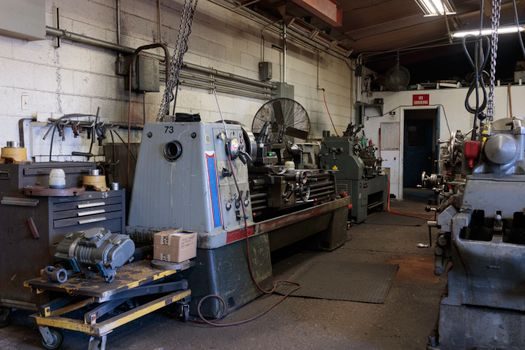
Shell core machine builds in 2026 are typically specified against general machine safety (ISO 12100 for risk assessment, IEC 60204-1 for electrical panels) rather than a dedicated foundry-machine standard, and the supplier data sheets in the public B2B channels do not list a foundry-specific conformity mark — buyers should ask for the panel CE/UL file, the platen temperature controller make and model, and the resin-coated sand compatibility statement on the RFQ [S2].
A defensible 2026 RFQ to a vertical automatic shell core machine vendor should carry: max shot weight, core box envelope (L × W × H), cure method and target platen temperature band, cycle time target, compressed air requirement, and a tooling interface drawing. A benchtop unit RFQ adds manual vs semi-automatic ejection and bench weight as gates, since the buy is often decided on whether the existing bench can carry the machine [S2].
For a wider view of how a 2026 capital buy frames its four gates, the Thickness gauge 2026 buying guide covers the same four-gate pattern in a metrology context and is a useful cross-read for any foundry QA team standardizing their internal buy checklists. The next trackable signal for this category is the autumn 2026 refresh of the major Chinese B2B shell core machine listings, which historically lead North American distributor updates by a quarter [S2].