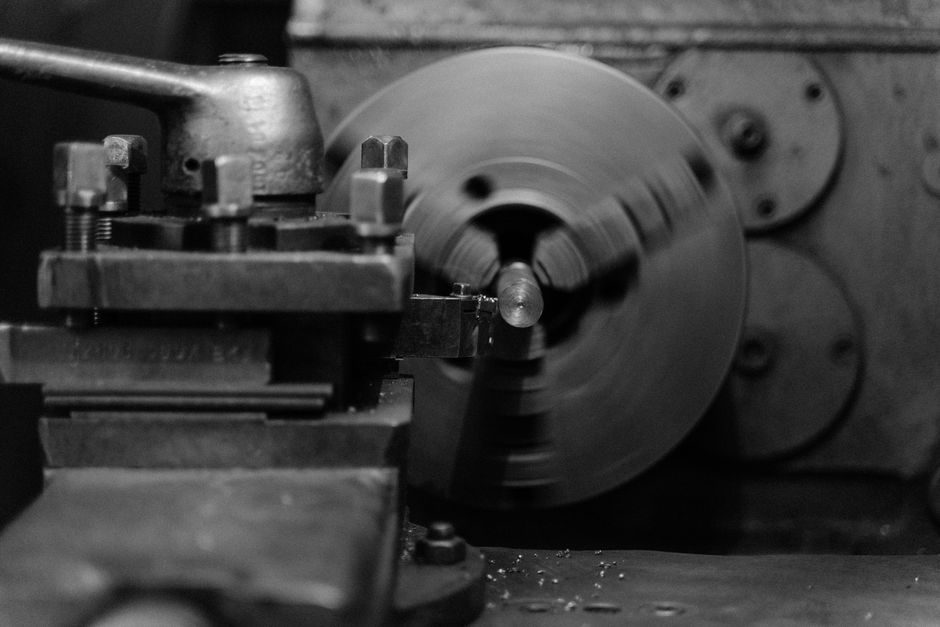
A vertical automatic shell core machine sized for the 8-25 kg single-shot class covers roughly 70-90% of general foundry duty, with horizontal units reserved for cores above 25-30 kg or with deep draw depths beyond 200-250 mm [S5].
The selection cut in 2026 comes down to four hard numbers: platen size (L x W), single-shot resin-sand weight, cycle time and shooting pressure, with heating power and tooling change-over time as the secondary gates [S5].
Platen Size and Maximum Core Box Footprint
Platen size is the first gate, and it scales almost linearly with shot weight: entry-level vertical units run 550x400 mm to 700x500 mm and deliver 5-8 kg per shot, mid-range machines span 800x600 mm to 900x700 mm at 12-20 kg per shot, and the heavy-duty 1000x800 mm to 1100x900 mm class supports 25-40 kg single-shot weights [S5]. For a deeper look at the core box and tool-mounting geometry itself, the shell core shooter reference page on the encyclopedia breaks down the standard bolster and clamp envelope used across Chinese and European builds.
Beyond footprint, the 200-250 mm draw depth line is a hard practical ceiling for most vertical toggle clamps; horizontal clamp frames open up draw depths of 300-500 mm but cost 1.5-2x the vertical equivalent at the same platen class [S5]. Foundry cells that routinely run cylinder-head, manifold and large valve cores fall into this horizontal category, and these cores also tend to be the ones routed through a shell molding machine line for the outer mold half.
Shot Weight, Sand Reservoir and Heater Power
Single-shot resin-sand weight is the most often misread number on a Chinese-OEM datasheet: the "maximum" figure typically assumes a low-density phenolic resin mix at 1.45-1.55 g/cm³ and a 70-75% fill ratio, so a 25 kg-rated machine usually delivers 18-20 kg on a real furan or phenolic no-bake shell core [S5]. The core machine glossary entry on the encyclopedia flags the same point: rated shot weight is a binder-density-dependent number, not a fixed sand-mass number.
Heating power tracks shot weight and platen class: small 5-8 kg machines run 12-18 kW electric platens heated to 220-260 °C, mid-range 12-20 kg units need 24-36 kW with gas-boosted platens common above 30 kW, and the 25-40 kg heavy class typically specifies 48-72 kW of electric heating with optional 60-90 kW gas burner backup for cold-start recovery under 15 min [S5]. A practical rule: plan 1.2-1.5 kW of platen power per kilogram of single-shot weight when sizing electrical infrastructure for a new foundry cell.
Cycle Time, Shooting Pressure and Curing Window
Cycle time is the throughput lever, and on a 2026 vertical automatic the realistic range is 25-45 s per core at 0.4-0.7 MPa shooting pressure, with the higher end of pressure reserved for thin-wall or deep-draw cores where sand compaction has to fight bridging [S5]. For foundries running the phenolic hot-box chemistry on a similar envelope, the hot-box core machine page is the right cross-reference because the curing energy profile (200-280 °C platen, 15-40 s dwell) overlaps directly with shell-core heating numbers.
Three numbers drive the cycle: 0.4-0.7 MPa shooting pressure, 220-280 °C platen temperature, and 15-30 s cure dwell. Drop below 0.35 MPa and you start seeing soft spots and under-cured inner surfaces above 20-25 mm wall; push above 0.8 MPa and tooling wear on the sand magazine and blow plate accelerates 2-3x [S5]. Sand-magazine capacity, often 80-200 kg on a vertical automatic, sets the maximum run-length between refills and is the lever that ties cycle time to the upstream sand-mixing cell.
Resin Chemistry, Sand-to-Binder Ratio and Sand Control
Shell cores are governed by a phenolic resin (or furan-modified phenolic) binder dosed at 2.5-4.0% of sand weight, with a hexamethylenetetramine (HMTA) hardener at 10-15% of resin weight and a lubricating release agent at 0.1-0.3% to ease part ejection [S5]. Sand AFS grain fineness is normally 50-70 (i.e. 0.20-0.30 mm mean diameter) for general iron castings, dropping to 70-90 for thin-wall and ductile iron cores where surface finish matters.
Foundries that also run cold-box amine-cured systems on the same platen class should check tooling compatibility: a cold-box core machine uses amine gas curing at ambient platen temperature, so the heated platen on a shell machine is a process-blocker, not a reconfiguration option. Mixing the two on shared tooling wastes a sand magazine and a full purge cycle on each changeover.
Comparison: Vertical Automatic vs Horizontal vs Manual Shell Core Shooter
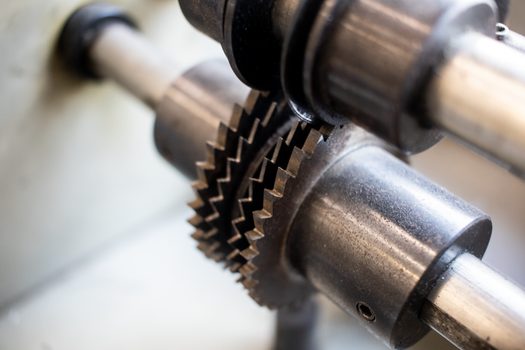
Three machine archetypes sit on most 2026 foundry-floor RFQs, and the decision falls on four criteria: shot-weight capacity, draw depth, throughput and floor-space cost per kg/hr [S5].
Vertical automatic (550x400 to 1100x900 mm platen, 5-40 kg shot, 0.4-0.7 MPa, 25-45 s cycle) fits 70-90% of iron and steel foundry cores with footprints under 200-250 mm draw depth. Horizontal automatic (1200x800 to 1500x1000 mm platen, 30-80 kg shot, 0.5-0.8 MPa, 40-70 s cycle) handles cylinder heads, large valve bodies and brake-housing cores above 300 mm draw depth. Manual / semi-automatic shell core shooters (400x300 to 600x400 mm platen, 2-8 kg shot, 0.3-0.5 MPa, 60-120 s cycle) sit in job-shop foundries and rapid-prototype cells where flexibility outweighs throughput.
Selection Cut: Who It Is For and Who It Is Not
A vertical automatic in the 800x600 mm platen / 12-20 kg class is the right pick for batch production of 50-500 cores per shift in iron, ductile iron and small steel castings up to about 50 kg finished weight [S5]. The same class is wrong for short prototype runs under 50 cores, where a manual or semi-automatic shell core shooter pays back faster despite the higher per-core labor cost.
Foundries above 500 cores per shift per cell should spec the 1000x800 mm / 25-40 kg heavy class with dual sand magazines and a quick-change bolster — cycle-time compression below 25 s rarely justifies the capex outside very high-mix automotive or sanitary-ware lines. The same sizing logic and resin-handling discipline also shows up in adjacent process cells, including the procurement cuts covered in the synthetic resin 2026 buying guide, where phenolic and furan binder grades map directly to shell-core chemistry.
Limitations, Failure Modes and Sourcing Risks
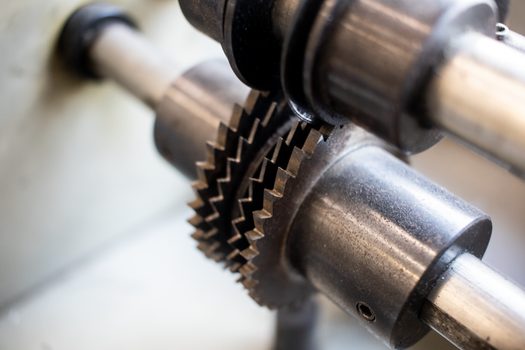
Three failure modes dominate shell-core machine field reports: soft-cure interiors above 20-25 mm wall thickness at platen temperatures below 200 °C, blow-tube erosion at shooting pressures above 0.8 MPa with AFS 70+ fine sand, and platen-element burnout on gas-boosted machines when the burner ratio drifts rich during cold starts [S5]. All three are visible in scrap rates within the first 200 cycles of a new tool and should be tracked on a 7-day burn-in log.
On the sourcing side, 2026 Chinese OEM offerings cluster in the 8-25 kg vertical class with 0.4-0.7 MPa shooting pressure and 24-48 kW platen power, with most Goldsupplier listings exposing platen size, shot weight, total power and machine footprint but rarely cycle-time-under-load or heater-element MTBF [S5]. Buyers should treat any 25 kg / 30 s cycle claim as best-case, plan electrical feeds at 1.5x nameplate kW, and budget 15-20% of machine price for installation, gas plumbing (where applicable) and PLC integration.
One trackable signal: the resin chemistry window is tightening in 2026 as Chinese foundries shift from free-phenol phenolic toward lower-emission furan-modified grades, which in turn pushes HMTA dosing toward 12-15% of resin weight and lengthens cure dwell by 3-5 s at the same 220-260 °C platen class. A second signal: more 2026 RFQs now specify quick-change bolsters under 10 min, which means a 25-40 kg vertical automatic with manual clamp is no longer competitive against twin-station horizontal builds on runs above 500 cores per shift.