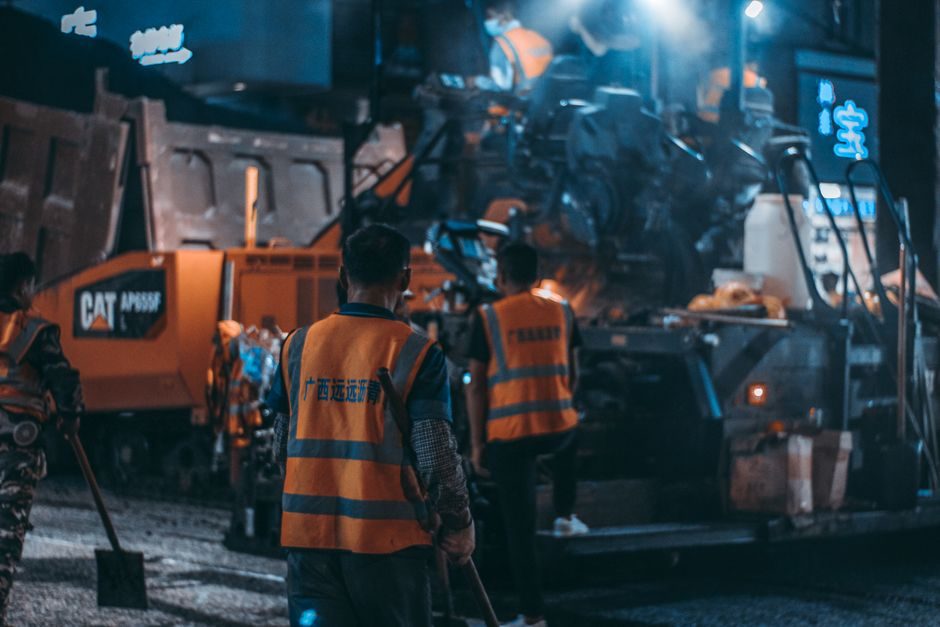
A dry-process rotor shotcrete machine such as the PZ-5 class typically outputs 4–5 m³/h and is engineered for dry-mix, damp-mix, and steel-fiber-reinforced shotcreting, with a non-adhesion rotor chamber designed to eliminate bonding and blocking during operation [S3].
Shotcrete — concrete or mortar projected at velocity through a hose and nozzle — covers a wide use band from tunnel linings, mine support, and refractory spraying to swimming-pool shells, soil-retaining walls, rockscaping, and concrete repair, which is why the equipment family spans dry-process rotors, wet-process pumps, and small repair rigs [S3]. A working spec sheet for a shotcrete machine almost always lists theoretical output, max conveying distance, air consumption, and aggregate size as the four decision variables, not brand.
Core Advantages Across the Three Process Types
Dry-process rotor machines use a thin-flow, vortex conveying method that delivers an even, continuous, and steady spraying flow, directly improving in-place shotcrete quality and reducing operator fatigue on long hose runs [S3]. The four-point clamping device on rotor-style units allows the operator to adjust pressure between the sealing plate and the rotor disk to eliminate air and dust leakage and extend wear-part life — a real maintenance-period gain rather than a marketing line [S3]. Non-adhesion rotor chambers with new material geometry are specified to completely eliminate bonding and blockage in operation, which is the failure mode that traditionally costs the most downtime on dry rigs [S3].
Across the whole family, the shared advantages are: no formwork required for many geometries, single-pass placement on vertical and overhead surfaces, faster cycle time than cast-in-place for shell and lining work, and easy integration of steel fiber or alkali-free accelerator dosing at the nozzle. For mine support and tunnel linings specifically, shotcrete placement can follow excavation within a single shift, which is the productivity argument that drives specification in underground work [S3].
Where Shotcrete Machines Disadvantage the Job
Rebound loss is the headline disadvantage: a measurable percentage of aggregate and cement bounces off the receiving surface and must be recovered, re-handled, or discarded, which raises both material cost and cleanup labor. Dust exposure at the nozzle is the second disadvantage — particularly on dry-process rigs — and is the reason modern job sites pair the rig with forced ventilation, dust collectors, and operator PPE rated for respirable crystalline silica. [S1]
Compressed-air demand is the third disadvantage: dry-process units consume a large volume of plant air at 5–7 bar, and the compressor package often costs more than the shotcrete machine itself. A fourth, often overlooked disadvantage is the operator-skill ceiling — nozzle angle, stand-off distance, and additive timing all directly drive in-place density, and an inexperienced crew can halve the bonded thickness on overhead work. Pumping wet mix through a filling machine hose vs dry-mix projection is a real engineering trade-off, and pretending one process wins every site is the most common spec error. Related installation and trial-shot acceptance steps are where most of these disadvantages are either absorbed or exposed.
Criteria-Based Comparison: Dry Rotor vs Wet Pump vs Small Repair Rig
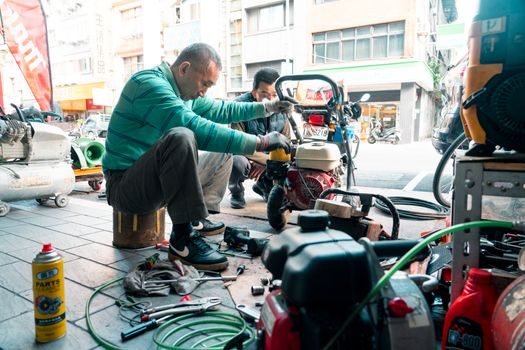
The three process types line up against four decision criteria: theoretical output, dust load, accelerator compatibility, and compressor dependency. Dry-process rotor rigs (PZ-class, 4–5 m³/h typical) are widely specified for dry-mix, damp-mix, and steel-fiber-reinforced shotcreting with low aggregate-size sensitivity but the highest dust load and the heaviest compressor demand [S3]. Wet-process piston or peristaltic pumps shoot a pre-mixed concrete at 15–30 m³/h with much lower rebound and dust, but require consistent slump control and a coding machine-style batching discipline upstream. Small repair rigs (typically 1–3 m³/h) target patch work, refractory touch-up, and pool shells where mobility and low setup cost outweigh output.
For decision purposes: choose a dry rotor rig when aggregate is variable, accelerator must be dosed at the nozzle, and the site already has a mine-rated compressor plumbed in. Choose a wet pump when the project places 1,000 m³ or more of lining or structural shell in a tight schedule, dust is regulated tightly, and a ready-mix or on-site batch plant can hold W/C within a tight band. Choose a small repair rig when the job is patch-based, access is constrained, and the core machine of the work is a nozzle operator rather than a hose-and-compressor crew.
Use Cases and the Job-Site Reality Check
Tunnel linings and mine support are the volume drivers, with dry-process rotor rigs dominant on development headings where aggregate is coarse and accelerator must set fast [S3]. Refractory spraying in steel plants and cement kilns uses smaller wet or dry rigs because the mix is heat-rated, not structural. Swimming-pool construction and artificial rockwork are the classic case where no formwork + free geometry matters more than output rate. Concrete repair and soil-retaining walls are the niches where a small repair rig is more cost-effective than a full PZ-class machine.
Floor and wall surface prep on a shotcreted substrate typically falls to a different machine class, and the floor grinder selection map is a useful cross-reference when shotcrete overspray or rebound has to be ground flat before coating. The cross-machine TCO breakdown for floor grinders also shows how wear-part, dust-extraction, and labor lines line up against a shotcrete rig's true operating cost.
Limits, Failure Modes, and Sourcing Standards
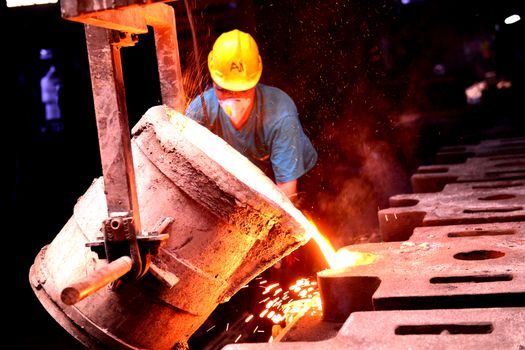
The main failure modes are rotor wear and seal leakage on dry rigs, peristaltic hose rupture or piston seal wear on wet pumps, and nozzle-pack failures on both — all of which are accelerated by abrasive aggregate and inadequate flushing. Operating limits to verify on the spec sheet: max aggregate size, hose diameter, max conveying distance (vertically and horizontally), and required air volume at the rated pressure. Wet-mix quality is bounded by ACI 506 / EFNARC nozzle-operator practice for in-place density, and dust exposure on dry rigs is governed by site occupational exposure limits for respirable crystalline silica — cite the local jurisdictional limit on the RAMS before commissioning. [S3]
Sourcing should filter on three data points: stated theoretical output (m³/h) verified against an independent test, wear-parts list with part numbers and lead time, and compressor package spec if the rig is dry-process. Compare the cutting machine and labeling machine class only as a procurement-process parallel, not as a substitute for site-specific trial shots.