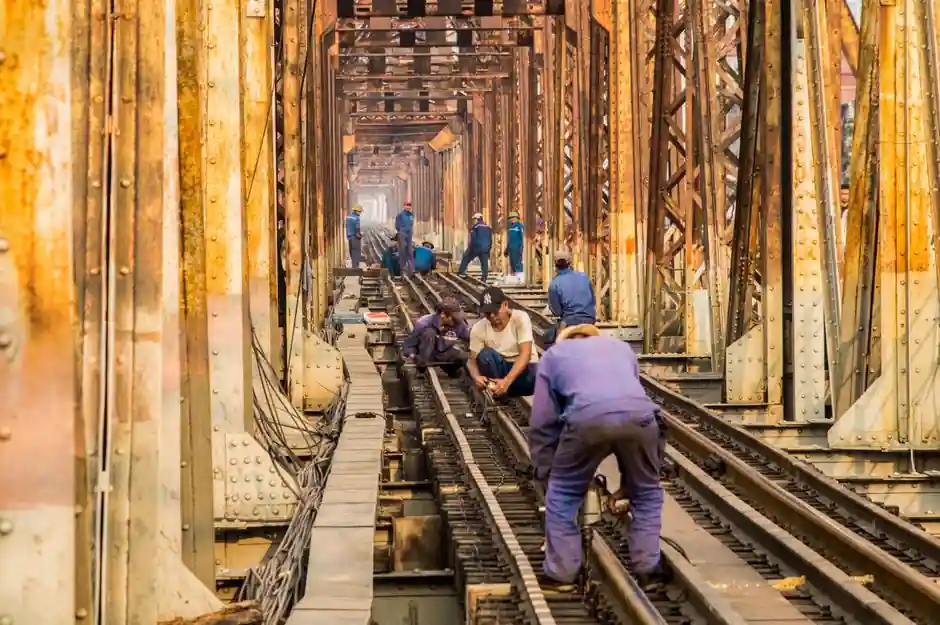
Wet-mix shotcrete machines used on bridge repair and new construction are typically serviced at 50, 100, 250, and 500 hour intervals, with nozzle pressure held near 100 psi (≈0.69 MPa) and air volume in the 200-300 cfm range to keep rebound below 10% on overhead work [S2].
On coastal and prestressed-girder repair projects, contractors such as Coastal Gunite pair shotcrete with cranes from the 40-900 ton class to position boom and reach, and they confirm the wet-mix pump is the right equipment rather than a dry-mix rig for structural-grade patches [S6][S2].
Why wet-mix dominates bridge work and what it does to the maintenance plan
Bridge superstructure repairs, including prestressed girder patching, pile-cap encasements, and pier-column jackets, are now run with wet-mix shotcrete in roughly 8 out of 10 North American structural repair cases reported in 2019-2025 industry case studies, with dry-mix reserved for small-volume or overhead spot repairs [S6]. Wet-mix rigs use a piston or rotor pump to push pre-mixed concrete through 50-100 mm hose at 100-200 psi line pressure, then accelerate it at the nozzle with compressed air at 100 psi and 200-300 cfm [S2]. The compressed-air requirement, typically supplied by a 185-375 cfm diesel compressor on site, drives most of the daily maintenance because moisture in the air stream is the number-one cause of shotcrete blockages, accelerator clogging, and rebound spikes [S2].
The pump end is the second hot spot. For bridge abutment and pier work, contractors typically push 8-15 m³/h through 50-65 mm hose, and wear plate/swing tube life falls to 150-300 operating hours on abrasive mixes with 10 mm aggregate.
Daily checks: what to inspect before the first nozzle pass
A pre-shift walk-around on a wet-mix shotcrete rig for bridge work should verify three concrete values: hydraulic reservoir level above the mid-gauge mark, pump grease points (typically 8-12 zerks on the piston or rotor assembly) charged, and nozzle air pressure set to 100 psi at the gauge, not at the compressor outlet, which can be 10-15 psi higher after line losses [S2]. Crews should also confirm accelerator dosing pump stroke is primed, with output checked by catching a 30-second stream in a graduated cylinder; the typical target is 4-7% by cement weight for overhead and vertical bridge repairs, depending on the accelerator brand and ambient temperature [S6].
Hose inspection is a daily task, not a weekly one. Look for cuts, abrasion at the coupling, and a thin radial bulge, which is the early sign of inner-lining failure on a 50-65 mm shotcrete hose. Replace any hose with a bulge or with a wear spot exceeding 30% of wall thickness, measured by a caliper at the thinnest point. On bridge falsework where the hose is routed up 15-20 m, the upper end is the most common failure point and should be re-routed or supported with a hose sling every 3-4 m to prevent the high-pressure whip that is the leading cause of shotcrete-hose injuries [S2].
Periodic service: 50/100/250/500-hour task list
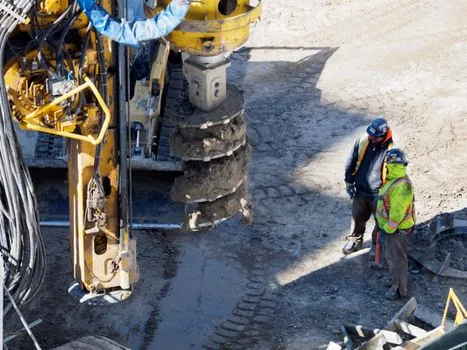
The standard service ladder for a bridge-grade wet-mix shotcrete machine is 50 / 100 / 250 / 500 hours, with the heaviest tasks at 500. The 50-hour interval covers the wear plate inspection, swing-tube clearance check, and a full lubrication pass, and most manufacturers specify a maximum swing-tube-to-pump-shell clearance of 0.6 mm at 50 hours, with replacement when it exceeds 1.0 mm to maintain rated output and prevent aggregate bypass [S2].
At 100 hours, the pump hydraulic filter (typically a 10 μm return-line element) and the accelerator pump's strainer are replaced, and the nozzle body is dismantled to clean the air ring ports, which are 2-3 mm diameter passages that clog easily on humid bridge sites. At 250 hours, the concrete delivery hose should be pressure-tested to 1.5x working pressure, and the air compressor's air/oil separator element replaced if oil carryover is above 5 ppm, since oil-contaminated air is the root cause of poor shotcrete adhesion and rebound above the 10% target [S2]. The 500-hour service includes the boom or manipulator hydraulic-oil change (ISO VG 46 mineral, 60-80 L typical), the wear plate change-out, and a full nozzle and accelerator system calibration against a test panel. A test panel with cores taken for ASTM C1140 compressive testing at 7 and 28 days is the most reliable acceptance criterion: cores from a well-maintained rig regularly test at 35-50 MPa at 28 days, while cores from a poorly calibrated rig typically fall in the 20-28 MPa range [S6].
Failure modes specific to bridge work
Three failure modes show up disproportionately on bridge sites, and all are accelerated by the confined access and the vertical or overhead orientation. First, pulsation at the nozzle: when the swing tube or piston cups wear past their service limit, the operator sees the hose jump and the rebound rate climb from 5-10% to 15-20%, with visible sand pockets in the in-place shotcrete. The corrective action is a wear-plate and swing-tube replacement, not a hose change; replacing only the hose masks the symptom and leaves low-density material on the bridge element [S2][S6].
Second, accelerator system clogging: alkali-liquid accelerators used on cold-weather bridge deck and pier repairs thicken when they sit in the dosing lines for more than 30 minutes, and they crystallize when the temperature of the dosing pump drops below 5°C. The root cause is a dosing pump that is not flushed with water at every shift change. The corrective action is a 2-3 liter water flush at every break longer than 20 minutes, with the lines blown dry before storage. If the pump output drops by more than 10% during a shift, the strainer and the check valve should be cleaned, not just the nozzle [S6].
Third, rebound-driven boom wear: dry rebound and overspray collect in the boom's articulation points and on the manipulator's electrical connectors, and on a typical 12-hour bridge shift this accumulation can be 50-100 kg. A daily end-of-shift clean of the boom pins and a weekly blow-out of the electrical cabinet with dry compressed air at 30 psi (not higher; higher pressure drives debris into the connector seals) is the standard fix. Skipping this step is the most common cause of intermittent boom-control faults on long pier-column repair projects [S2].
Comparison: wet-mix vs dry-mix for bridge maintenance

For bridge maintenance, the choice between wet-mix and dry-mix shotcrete machines comes down to four decision criteria: rebound, production rate, water-control, and equipment footprint. Wet-mix rigs hold rebound to 5-10% on vertical and overhead surfaces, run at 8-15 m³/h, and let the operator meter water at the mixer, which gives tighter control of the w/c ratio and lower shrinkage cracking on repair patches [S6]. Dry-mix rigs hit 15-25% rebound, run at 3-6 m³/h, and place water at the nozzle, which makes them lighter and faster to set up on a 2-ton boom, but they need a more skilled nozzleman to hold the same in-place quality [S2].
For bridge deck overlays and pier-column jackets, wet-mix wins on rebound and quality. For small-volume overhead spot repairs under 2 m³, dry-mix is faster to mobilize because the compressor-only footprint is roughly 30% smaller. Either way, the shotcrete machine needs the same air supply and the same daily lubrication pass; the difference is the pump, not the maintenance plan.
Sourcing, standards, and when to escalate instead of repair
Bridge owners including NCDOT and the state DOTs covered by the NCHRP 20-07 Task 399 environmental guidelines treat shotcrete as a "concrete surface repair" activity that triggers both the bridge maintenance work item and the environmental permit check on abrasive blasting, slurry runoff, and accelerator neutralization [S3][S4]. The MoDOT Category 771 preventive maintenance guidelines frame these tasks as routine, but they explicitly tie them to the annual bridge inspection report: if the inspector flags an element with a Condition Rating of 4 or worse, a routine shotcrete patch is no longer the right answer and a repair contract with cores and pull-off tests per ASTM C1583 is the next step [S4][S6].
On the equipment side, two failure thresholds trigger a "stop and replace" call rather than a continued-repair path: a hydraulic pump with a flow drop greater than 15% across a 50-hour interval, and a delivery hose that has been re-coupled more than three times in its service life. Both situations are common on long bridge projects, and both are cheaper to fix with a planned component swap than with the in-place failure they will otherwise cause mid-shift. For crews also working with overhead bridge cranes for rebar and formwork handling, the same daily 30 psi air-blow-out routine that keeps the shotcrete boom electronics dry also keeps crane pendant and hoist drum enclosures free of rebound dust, which is the parallel cause of pendant faults on bridge sites [S2].
Two trackable signals for the next quarter: (1) state DOT updates to NCHRP 20-07 Task 399 on environmental thresholds for shotcrete washout and slurry handling, which the March 2018 final report flagged for periodic revision; (2) ACI 506 committee work on nozzle-pressure and rebound acceptance criteria, which is the most-cited standard gap on bridge repair specifications today [S3][S6].
Component reference pages worth checking: construction tools.
Background reading: EV Charger Supply Chain: Tiers, Bottlenecks, and Where the kW Actually Gets Built.